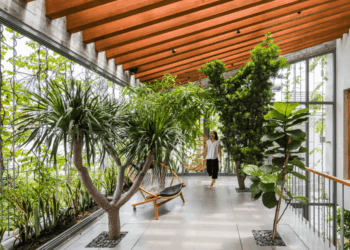


In an increasingly urbanized and digitally connected world, our separation from nature has become a defining feature of modern life. We spend over 90% of our time indoors, disconnected from the very environment that nurtured our evolution. This profound separation has a measurable impact on our well-being, leading to increased stress, reduced focus, and a decline in overall health. Biophilic design offers a powerful solution, a philosophy that seeks to reconnect humans with the natural world by integrating natural elements into the built environment. It is far more than just adding a few potted plants; it’s a holistic approach that uses the principles of nature to create spaces that are not only aesthetically pleasing but also restorative, productive, and deeply comforting. This comprehensive guide will take you on a journey to explore the core tenets of biophilic design and provide a detailed, actionable blueprint for transforming your home into a natural sanctuary. We will delve into the science behind this movement, explore its key components, and provide practical examples that will allow you to infuse your living space with the healing power of nature.
The Science Behind Biophilia
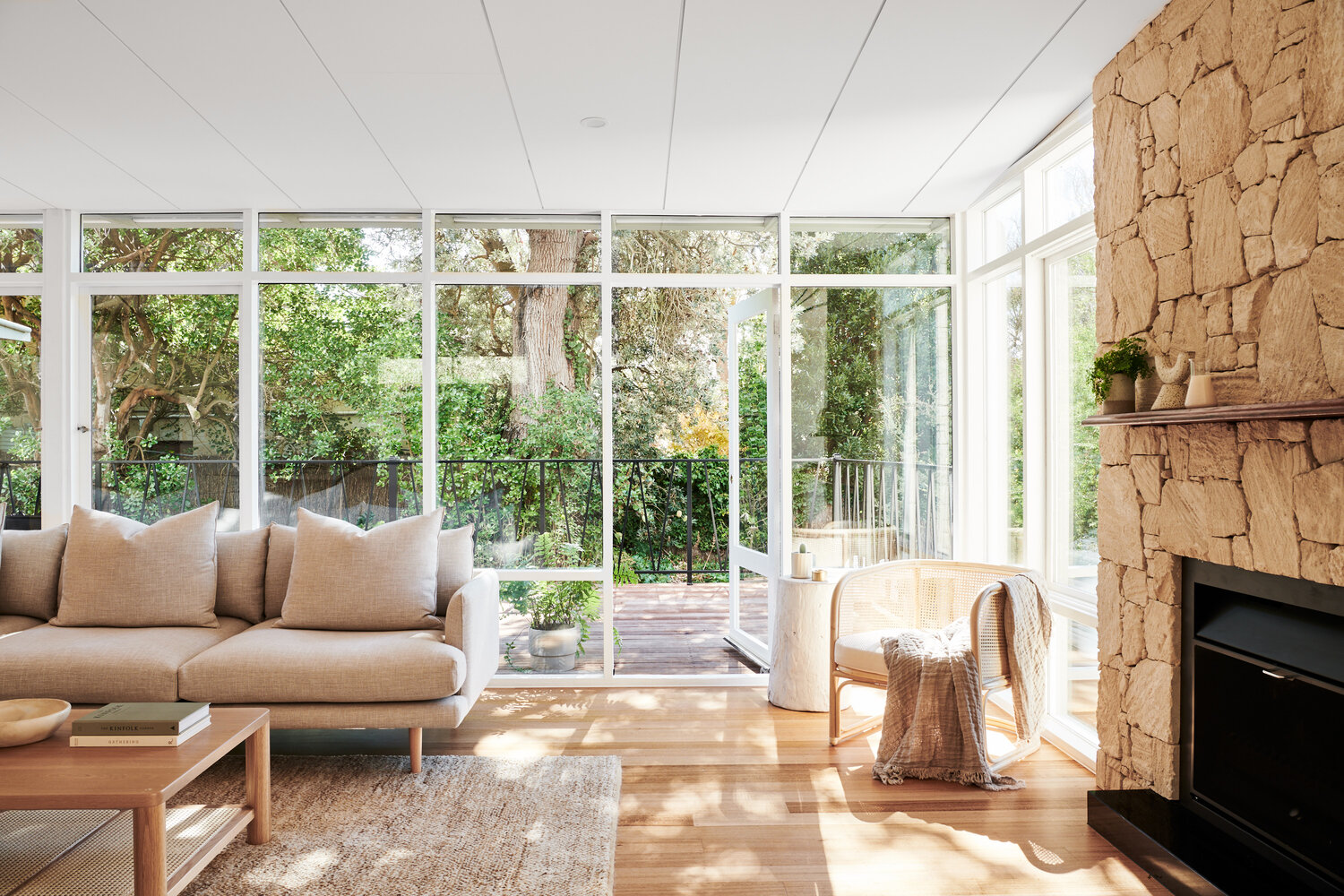
The term “biophilia” was popularized by biologist Edward O. Wilson, who proposed that humans have an innate, genetic affinity for nature. This connection is not merely a preference but a biological need. A growing body of scientific research supports this theory, demonstrating that exposure to natural elements in our living and working spaces has a direct positive impact on our physical and mental health.
A. The Impact on Human Well-being
Biophilic design has been shown to produce a wide range of tangible benefits.
- Reduced Stress and Anxiety: Studies have found that viewing natural scenes or being in spaces with natural elements can lower cortisol levels, the body’s primary stress hormone. The calming effect of nature helps to reduce mental fatigue and promotes a state of relaxation.
- Improved Cognitive Function: Exposure to nature has been linked to enhanced creativity, concentration, and memory. The visual patterns and complexity of natural forms can stimulate the brain in a way that artificial environments cannot.
- Faster Healing and Recovery: In healthcare settings, patients in rooms with views of nature or with biophilic design elements have shown faster recovery times, a reduced need for pain medication, and a shorter length of hospital stay.
- Enhanced Productivity and Creativity: For those who work from home, a biophilic workspace can be a game-changer. Natural light and views of nature have been proven to boost productivity and foster creative thinking.
B. Core Principles of Biophilic Design
Biophilic design is a nuanced practice that relies on more than just superficial decoration. It is built on a set of core principles that guide the integration of nature into a space.
- Direct Connection to Nature: This involves bringing living things and natural processes directly into the home. This includes using plants, having access to natural light, and incorporating elements like water features.
- Indirect Connection to Nature: This principle uses representations of nature. This can be achieved through natural materials (wood, stone, bamboo), colors and textures that mimic nature, and patterns that are reminiscent of natural forms.
- The Human Response to Nature: This is about creating a feeling of safety and comfort that we instinctively feel in natural environments. This can be done by providing a sense of refuge and prospect. A “refuge” is a place to feel sheltered and private, while a “prospect” is an expansive view of a space.
The Essential Components of a Biophilic Home
Now that we understand the “why,” let’s get into the “what.” A biophilic home is built on a foundation of several key elements that work together to create a holistic experience.
A. Living Elements
This is the most direct and visible way to incorporate nature into your home.
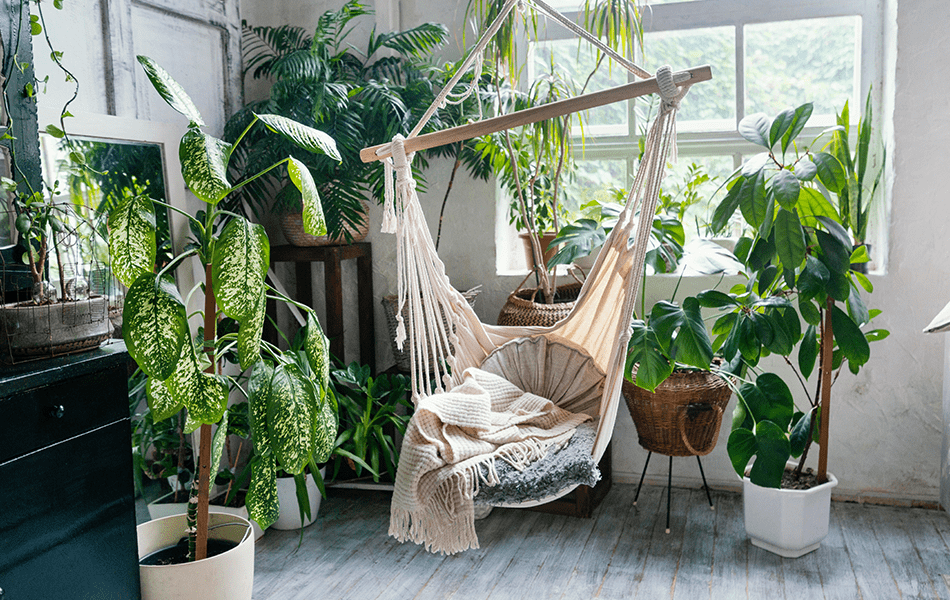
- Indoor Plants: Plants are not just decorative; they are living components that improve air quality by filtering out toxins and releasing oxygen. Choose plants that are well-suited to your home’s light conditions and are easy to care for. Some great options include snake plants, pothos, and ZZ plants.
- Vertical Gardens and Green Walls: For those with limited floor space, a vertical garden is a brilliant solution. It can be a simple installation of living plants on a wall or a more complex hydroponic system. This creates a striking visual statement and has a powerful positive impact on the indoor environment.
- Bringing Nature In: Go beyond plants and bring in elements like cut flowers, bouquets, or even a small indoor herb garden. These add color, scent, and life to your space.
B. Natural Materials and Textures
Our innate connection to nature is also satisfied through our sense of touch and sight.
- Wood: Wood is perhaps the most fundamental natural material. Use it for flooring, furniture, or decorative elements. The grain, texture, and warmth of wood provide a powerful sensory experience.
- Stone and Concrete: The use of natural stone for countertops, walls, or floors can create a feeling of stability and connection to the earth.
- Fibers and Textiles: Opt for natural fabrics like cotton, wool, linen, and jute for your furniture, rugs, and curtains. These materials have a more organic feel than their synthetic counterparts.
C. The Flow of Light and Air
Natural light and ventilation are crucial for mimicking a natural environment.
- Maximize Natural Light: Design your home to have a direct connection to natural light. This can be achieved through large windows, glass doors, or skylights. Natural light also enhances the beauty of the natural materials and plants in your home.
- Strategic Airflow: Good ventilation is key to creating a healthy indoor environment. Open windows regularly to allow fresh air to circulate. Consider a smart fan or an air purifier that uses filters to mimic the cleansing effects of a natural breeze.
D. The Presence of Water
Water has a deeply calming effect on the human psyche. The sound and sight of moving water can reduce stress and create a tranquil atmosphere.
- Small Indoor Water Features: A small tabletop fountain can provide the gentle sound of trickling water. This is an excellent solution for a home office or bedroom.
- Aquariums and Fish Tanks: An aquarium is a living ecosystem that brings a powerful sense of nature into a room. Watching fish swim and plants sway in the water can be incredibly meditative.
Designing a Biophilic Home

Biophilic design can be applied to every room in your home, from the bedroom to the bathroom. The key is to adapt the principles to the function of each space.
A. The Living Room
The living room is a gathering space, making it an ideal candidate for a biophilic transformation.
- A Living Wall or Vertical Garden: This can be a central feature that instantly transforms the room.
- Natural Wood Furniture: Use a large wooden coffee table or bookshelf to serve as a grounding element.
- Large Windows: Maximize the view of your garden or a natural landscape. If you have no view, place plants strategically near windows to create a visual connection.
B. The Bedroom
The bedroom is a space for rest and rejuvenation. Biophilic design can help improve sleep and reduce stress.
- A Natural Color Palette: Use calming colors inspired by nature, such as soft greens, blues, or earthy tones.
- Wood Bed Frame: A simple, unpainted wood bed frame can provide a sense of warmth and simplicity.
- Plants that Clean the Air: Choose plants known for their air-purifying qualities, like the snake plant or peace lily. They will help create a healthier sleeping environment.
C. The Bathroom
The bathroom can feel sterile and artificial. Biophilic design can transform it into a spa-like retreat.
- Natural Stone and Wood: Use natural stone for the countertops or flooring. A simple wooden stool or bath caddy can add warmth.
- Indoor Plants: The high humidity of a bathroom makes it perfect for plants like ferns and orchids.
- Water Features: A simple indoor water fountain or even a sleek, modern faucet that mimics a waterfall can create a tranquil atmosphere.
D. The Home Office
For those who work from home, a biophilic office can dramatically improve productivity and focus.
- A View of Nature: Position your desk to face a window with a view of a garden or a tree. If this isn’t possible, use a virtual window or a large poster of a natural landscape.
- Desktop Plants: Keep a small plant or a bonsai tree on your desk. The presence of a living thing can help reduce mental fatigue.
- Natural Light: Ensure your workspace is well-lit with natural light. This will help regulate your circadian rhythm and reduce eye strain.
Beyond the Basics
True biophilic design engages all five senses, creating a fully immersive and restorative experience.
A. The Auditory Experience of Nature
The sounds of nature are deeply calming. You can integrate them in a few ways:
- Open Windows: Listen to the sounds of rain, wind, or birds outside.
- Indoor Water Features: The sound of trickling water from a fountain is naturally soothing.
- Soundscapes: Use a high-quality speaker to play nature soundscapes, such as the sound of waves, a crackling fire, or a rainstorm.
B. The Aromatic Power of Nature
Our sense of smell has a powerful link to our memory and emotions.
- Essential Oils: Use a diffuser with essential oils like lavender, pine, or eucalyptus to create a calming or invigorating atmosphere.
- Living Plants: The scent of fresh flowers or herbs can fill a room with a natural, pleasant aroma.
Conclusion
Biophilic design is not just a passing trend; it is a fundamental shift in how we approach architecture and interior design. It is a powerful recognition that our well-being is intrinsically linked to our connection to the natural world. By consciously integrating natural elements into our homes, we can create spaces that are not only beautiful but also restorative, inspiring, and deeply nourishing for our minds and bodies. The journey to a biophilic home is not about a massive renovation but a series of intentional choices: selecting natural materials, maximizing natural light, and embracing the presence of living plants and the soothing influence of water.
The benefits of this approach are profound and far-reaching, from reducing stress and anxiety to improving sleep and enhancing productivity. The home becomes more than just a shelter; it becomes a sanctuary, a living, breathing ecosystem that supports and sustains its inhabitants. This guide has provided you with the foundational knowledge and practical steps to begin this transformation. By starting small, perhaps with a new houseplant or a small change in your color palette, you can begin to feel the powerful, positive effects of this design philosophy. In a world that is always on and always connected, biophilic design offers a much-needed retreat—a place where you can disconnect from the artificial and reconnect with yourself and the world around you.