

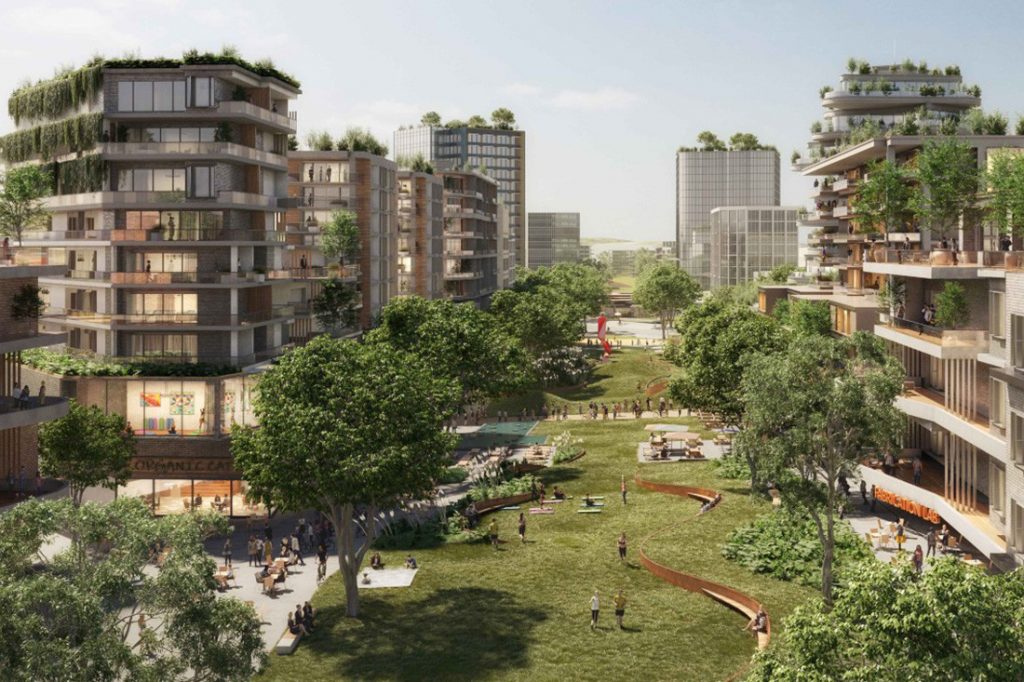
In an era defined by rapid urbanization, escalating housing costs, growing environmental concerns, and a pervasive desire for community, traditional living models are being fundamentally challenged. The conventional nuclear family home or individual apartment often falls short in addressing the complex needs of modern city dwellers, leading to issues of isolation, financial strain, and an unsustainable ecological footprint. As cities become denser and resources more constrained, a new, innovative approach to urban habitation is not just desirable but essential: Sustainable Urban Co-Living.
This burgeoning movement redefines what it means to live in a city, blending private space with shared amenities, fostering vibrant communities, and integrating eco-conscious design principles at every level. It moves beyond mere shared accommodation to create intentionally designed environments that prioritize social connection, affordability, and ecological responsibility. The shift from isolated living to a more communal and sustainable paradigm offers a compelling answer to many of the pressing challenges faced by contemporary urbanites, promising a lifestyle that is both enriching and environmentally sound.
This comprehensive guide will delve deep into the multifaceted world of Sustainable Urban Co-Living, exploring the core principles that drive its success, detailing the innovative architectural and operational models that define it, and illustrating its wide-ranging benefits for individuals, communities, and the planet. We will cover everything from the economic advantages and social dynamics to the integration of green technologies and the future of urban development. By the end of this article, you will possess the insights and practical knowledge to systematically understand the profound impact of this revolution, transforming your perception of urban habitation and inspiring a new era of elegant, efficient, and community-centric living.
The Drivers of Change
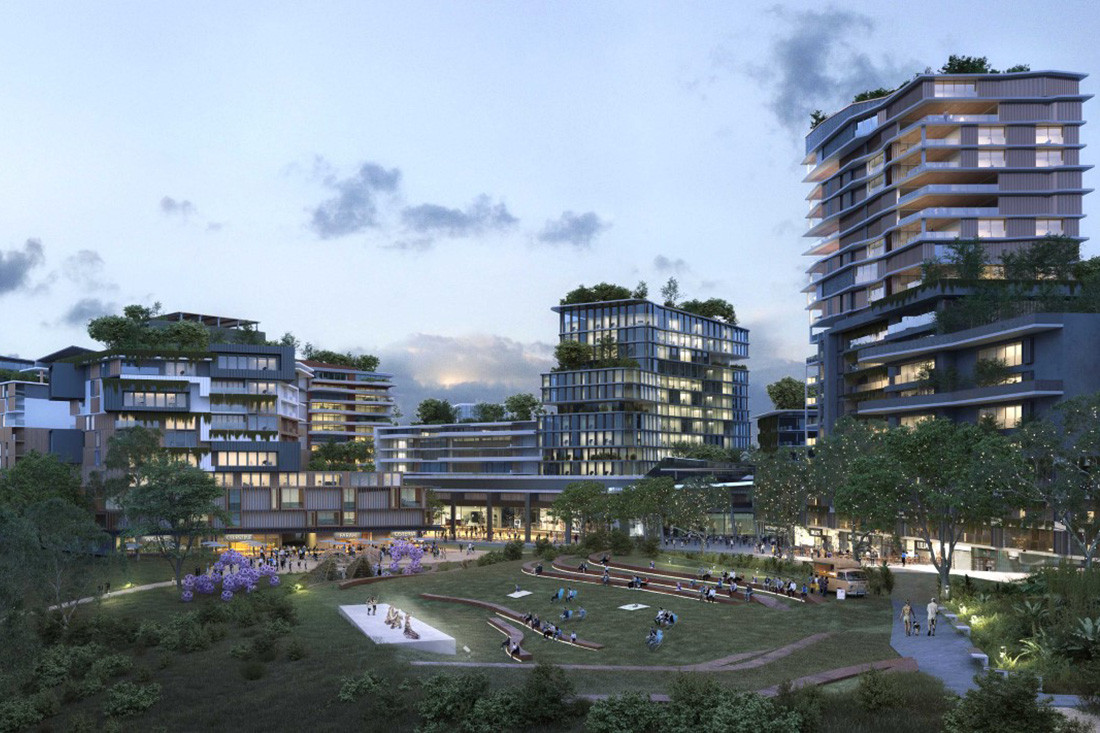
The rise of Sustainable Urban Co-Living is a direct response to several powerful societal, economic, and environmental forces shaping our cities
A. Urbanization and Housing Affordability Crisis
- A. Rapid City Growth: More people are moving to cities, increasing demand for housing.
- B. Escalating Rents and Property Prices: Traditional housing options are becoming unaffordable for many, especially young professionals, students, and single individuals.
- C. Space Constraints: Densely populated urban centers have limited land, driving innovative solutions for efficient space utilization.
B. Desire for Community and Connection
- A. Combatting Urban Isolation: Despite living in crowded cities, many people experience loneliness. Co-living intentionally fosters social interaction and a sense of belonging.
- B. Shared Values: Attracting individuals who prioritize community, sustainability, and collaborative living, creating a self-selecting, supportive environment.
- C. Convenient Social Life: Built-in opportunities for social events, networking, and informal interactions reduce the effort required to build a social circle.
C. Environmental Awareness and Sustainability Goals
- A. Reduced Ecological Footprint: Shared resources (kitchens, laundry, utilities) inherently reduce individual consumption and waste.
- B. Green Building Practices: Co-living developments often integrate sustainable design, energy-efficient systems, and responsible material choices from inception.
- C. Promotion of Sustainable Lifestyles: Encouraging residents to adopt eco-friendly habits like recycling, composting, and using public transport or shared mobility options.
D. Shift in Lifestyle and Priorities
- A. Focus on Experiences over Ownership: Younger generations often prioritize flexibility, experiences, and a minimalist approach over traditional homeownership.
- B. Demand for Convenience: All-inclusive rent (utilities, internet, furnishings, cleaning) and managed services simplify daily life.
- C. Professional Mobility: Ideal for individuals who frequently relocate for work, offering flexible lease terms and ready-made communities.
Core Principles of Sustainable Urban Co-Living
Sustainable urban co-living is defined by a blend of architectural, social, and environmental philosophies.
A. Efficient Space Utilization and Design
- A. Private Suites with Shared Amenities: Residents typically have private bedrooms (often with en-suite bathrooms), but share extensive common areas like kitchens, living rooms, workspaces, fitness centers, and rooftop gardens.
- B. Modular and Flexible Design: Interiors are often designed for adaptability, allowing spaces to be reconfigured for different uses or resident needs.
- C. Smart Technology Integration: Automated systems for energy management, security, and common area booking enhance efficiency and convenience.
B. Community Building and Social Engagement
- A. Curated Resident Mix: Some operators actively curate residents to foster a harmonious and diverse community.
- B. Dedicated Community Managers: On-site staff often organize events, workshops, and social gatherings to facilitate interaction.
- C. Shared Spaces as Social Hubs: Common areas are designed to encourage interaction, from large communal dining tables to collaborative workspaces and entertainment zones.
- D. Digital Platforms: Resident apps or online forums for communication, event planning, and sharing resources.
C. Environmental Stewardship and Green Infrastructure
- A. Energy Efficiency: High-performance insulation, double-glazed windows, LED lighting, and smart thermostats minimize energy consumption.
- B. Renewable Energy Sources: Integration of solar panels or connection to district heating/cooling systems.
- C. Water Conservation: Low-flow fixtures, rainwater harvesting, and greywater recycling systems.
- D. Waste Management: Robust recycling and composting programs, often supported by smart waste bins.
- E. Green Spaces: Rooftop gardens, vertical farms, and biophilic design elements enhance biodiversity and improve air quality.
D. Affordability and Accessibility
- A. All-Inclusive Rent: Simplifies budgeting by bundling utilities, internet, furnishings, and cleaning services into a single monthly fee.
- B. Reduced Individual Costs: Sharing large appliances, tools, and potentially even vehicles reduces individual financial burdens.
- C. Flexible Lease Terms: Offering shorter lease durations caters to mobile professionals and reduces long-term commitment.
The Components of a Sustainable Co-Living Development
A truly sustainable co-living space goes beyond basic shared rooms, incorporating various elements to support its core principles.
A. Architectural Design and Materials
- A. Sustainable Materials: Use of locally sourced, recycled, or low-impact materials (e.g., reclaimed timber, recycled steel, low-VOC paints).
- B. Bioclimatic Design: Orienting the building to maximize natural light and ventilation, reducing the need for artificial heating and cooling.
- C. Modular Construction: Utilizing prefabricated components to reduce construction waste, improve quality control, and speed up building time.
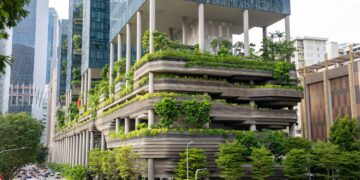
- D. Green Roofs and Walls: Not only enhance aesthetics but also provide insulation, reduce stormwater runoff, and support urban biodiversity.
B. Technological Integration
- A. Smart Home Systems: Automated lighting, climate control, and security systems managed via a central app.
- B. Energy Monitoring: Real-time tracking of energy and water consumption to encourage mindful usage among residents.
- C. Shared Mobility Hubs: Dedicated spaces for shared bicycles, electric scooters, or car-sharing services to reduce reliance on private vehicles.
- D. High-Speed Connectivity: Robust internet infrastructure to support remote work and digital communication.
C. Community & Operational Management
- A. On-Site Staff: Community managers, maintenance, and cleaning staff ensure smooth operations and foster a positive living environment.
- B. Curated Event Programming: Workshops, fitness classes, cooking nights, and social mixers organized to encourage resident interaction.
- C. Shared Resource Management: Systems for booking shared amenities, managing guest access, and facilitating collaborative activities.
- D. Resident Guidelines: Clear rules and expectations to ensure respectful cohabitation and maintain the sustainable ethos of the community.
D. Shared Amenity Spaces
- A. Communal Kitchens & Dining: Large, well-equipped kitchens and dining areas for collective cooking and meals.
- B. Co-working Spaces: Dedicated areas with strong internet and ergonomic furniture for remote work and collaboration.
- C. Fitness & Wellness Zones: Gyms, yoga studios, or meditation rooms.
- D. Recreational Areas: Lounges, game rooms, media rooms, and often outdoor spaces like patios or rooftop decks.
- E. Laundry Facilities: Efficient, shared laundry rooms.
The Benefits of Sustainable Urban Co-Living
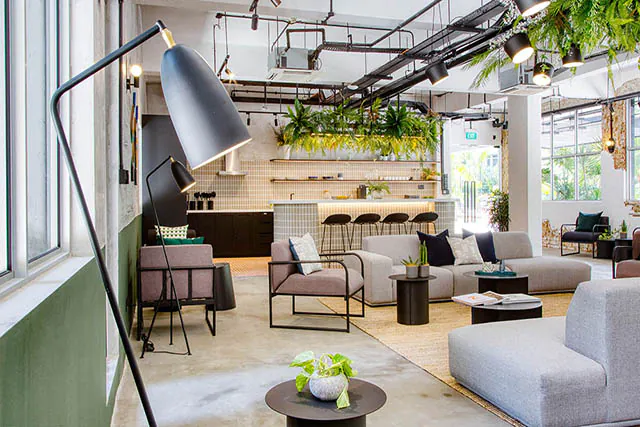
The advantages of this living model are multifaceted, extending to individuals, operators, and the urban environment.
A. Benefits for Residents
- A. Enhanced Social Life: Built-in community, reduced loneliness, and easy access to social interactions.
- B. Affordability: Lower individual housing costs, all-inclusive rent, and reduced expenses from shared resources.
- C. Convenience: Furnished units, managed utilities, cleaning services, and access to a wide range of amenities.
- D. Flexibility: Shorter lease terms, ideal for mobile professionals or those exploring a new city.
- E. Sustainable Lifestyle: Easier to adopt eco-friendly habits with built-in infrastructure (recycling, shared transport).
B. Benefits for Operators and Developers
- A. Higher Occupancy Rates: Appeal to a broad demographic, leading to stable occupancy.
- B. Increased Revenue Per Square Foot: Efficient design and shared amenities allow for optimizing space utilization.
- C. Strong Brand Identity: Differentiated offering in a competitive market, appealing to conscious consumers.
- D. Reduced Operational Costs: Energy-efficient design and shared services can lower utility and maintenance expenses.
C. Benefits for Cities and the Environment
- A. More Sustainable Urban Development: Reduced resource consumption, lower carbon emissions, and promotion of green living.
- B. Addressing Housing Shortages: Offers an innovative solution for increasing housing density and affordability.
- C. Revitalizing Neighborhoods: Co-living spaces can bring new life and activity to urban areas.
- D. Reduced Congestion: Encouraging shared mobility and local amenities can lessen reliance on private cars.
Conclusion
In the relentless march of global urbanization and the escalating urgency of climate action, Sustainable Urban Co-Living is emerging not merely as an alternative housing model, but as a pivotal paradigm shift—a profound reimagining of how we can live collectively, harmoniously, and responsibly within our increasingly dense cities. This guide has illuminated the critical truth that true urban sustainability extends beyond green technologies; it is intrinsically linked to fostering community, ensuring affordability, and designing environments that nurture both human connection and ecological stewardship. By systematically embracing this revolution, we are not just building homes; we are crafting interconnected, conscientious urban futures.
By understanding the compelling drivers behind its rise—from the dire need for housing affordability and the pervasive desire to combat urban isolation, to the undeniable imperative for environmental responsibility—we grasp the profound relevance of this movement. The strategic integration of efficient space utilization, vibrant community-building initiatives, and unwavering environmental stewardship through green infrastructure principles transforms mere buildings into thriving ecosystems. Furthermore, the intelligent deployment of sustainable architectural design, smart technology, robust operational management, and thoughtfully curated shared amenities empowers residents to lead more convenient, affordable, and deeply fulfilling lives.
The profound impact of this revolution permeates every facet of urban existence: creating more inclusive and affordable housing solutions, fostering stronger, more resilient communities that mitigate loneliness, drastically reducing the ecological footprint of urban living, and inspiring a new generation of city dwellers to embrace a lifestyle of shared values and collective well-being. Ultimately, by mastering the principles and embracing the tools of Sustainable Urban Co-Living, we are not just optimizing real estate; we are actively investing in a future where our cities are not only efficient and technologically advanced but also deeply human, ecologically sound, and vibrantly communal, leading to an urban experience that is both thriving and profoundly harmonious.