

Modular construction isn’t just a trend; it’s a fundamental shift in how we build the world around us. This innovative methodology has transcended its initial reputation as a solution for temporary or low-cost housing to become a sophisticated, high-quality, and increasingly preferred method for everything from luxury hotels and university dormitories to complex hospitals and data centers. The core appeal lies in its promise: faster project delivery without compromising on quality, sustainability, or design flexibility. This comprehensive analysis dives deep into the mechanics, benefits, challenges, and future trajectory of modular construction, providing the exhaustive detail necessary for an authoritative, SEO-optimized resource.
I. Understanding the Modular Paradigm
Modular construction, often referred to as prefabrication or off-site construction (OSC), involves manufacturing standardized, three-dimensional sections (modules) of a building in a controlled factory environment. These complete or near-complete modules are then transported to the final building site, where they are assembled like giant, pre-engineered LEGO blocks. This approach fundamentally contrasts with traditional, stick-built construction, where nearly all labor occurs sequentially on the job site.
A. Defining Key Terms
To grasp the full scope of this methodology, it’s vital to differentiate related terms:
- Prefabrication: A broad term for manufacturing building components (like walls, trusses, or panels) in advance at a different location.
- Modular Construction: A specific type of prefabrication where volumetric sections (three-dimensional units) are created off-site.
- Panelized Construction: An off-site method focusing on manufacturing two-dimensional wall, floor, and roof panels.
- Hybrid Modular: A project utilizing a combination of modular units for core areas (e.g., bathrooms, kitchens) and traditional methods for other parts.
B. The Process: Factory to Foundation
The modular process is a finely tuned sequence of events, allowing for significant overlap (concurrency) that is impossible in traditional building:
- Design and Engineering: Utilizing Building Information Modeling (BIM) software, the entire structure is digitized. The design is optimized for module dimensions, transportation logistics, and final assembly, ensuring structural integrity and precise component fit.
- Foundation and Site Work (Concurrent Phase): Simultaneously, while modules are being built in the factory, the on-site team prepares the foundation, installs utilities, and performs necessary groundwork. This parallel activity is the single greatest time-saver.
- Module Manufacturing: In the controlled factory environment, modules are built on assembly lines, shielded from weather delays, theft, and vandalism. Quality control is rigorous, often including specialized inspections at various completion gates.
- Transportation: Modules are carefully loaded onto specialized trailers and transported to the site, adhering to strict permits and logistical planning, as these are often oversized loads.
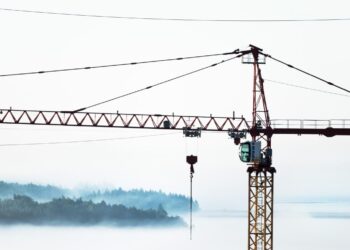
- Installation and Stitching: Using large cranes, the modules are lifted into place on the foundation. Once set, the modules are “stitched” together—utility connections are made, fire and acoustical breaks are installed, and exterior and interior finishes are completed at the seams.
- Commissioning and Handover: The final phase mirrors traditional construction, ensuring all systems (HVAC, electrical, plumbing) are functioning correctly before final client acceptance.
II. The Dominant Advantages of Modular Construction
The push toward modular building is fueled by several compelling advantages that directly address the chronic issues plaguing the conventional construction industry, namely cost overruns, schedule delays, and labor shortages.
A. Unprecedented Speed and Schedule Compression
The primary and most celebrated benefit is speed. By separating manufacturing from site preparation, schedules can be compressed by 30% to 50%.
- A. Concurrent Activity: As noted, site work and module creation happen simultaneously.
- B. Predictable Timeline: Factory work is immune to typical weather delays (rain, snow, high winds), ensuring the manufacturing schedule holds firm.
- C. Streamlined Inspections: Many inspections can be conducted within the factory, reducing the need for multiple, sequential site visits by building officials and consultants.
B. Enhanced Quality and Precision
Building within a climate-controlled factory setting inherently leads to superior product quality.
- A. Manufacturing Tolerances: Factory environments allow for much tighter tolerances and higher precision than often achievable on a chaotic, outdoor construction site.
- B. Consistent Quality Control: Dedicated, in-house quality assurance (QA) teams monitor every step of the assembly line, applying lean manufacturing principles to eliminate defects early.
- C. Material Protection: Materials are stored indoors, protected from moisture, sun exposure, and temperature extremes that can compromise their integrity or lead to future mold and warping issues.
C. Significant Cost Predictability and Reduction
While the initial cost of modules can sometimes appear higher, the overall project cost is often lower and certainly more predictable.
- A. Reduced Labor Costs: The shift to factory labor often lowers costs and mitigates the severe shortage of skilled on-site tradespeople.
- B. Minimized Waste: Factory settings enable optimized material cutting and recycling programs, leading to less than 2% material waste, a dramatic reduction from the typical 10-15% on-site waste.
- C. Lower Financing Costs: A faster construction schedule means the developer pays less interest on the construction loan, a substantial saving on large-scale projects.
D. Sustainability and Environmental Responsibility
Modular construction aligns perfectly with the growing demand for sustainable building practices and reduced carbon footprints.
- A. Energy Efficiency: Factories can ensure better seals and insulation installation, resulting in a tighter building envelope that requires less energy for heating and cooling once occupied.
- B. Site Disruption Reduction: The time on site is drastically reduced, lowering the amount of dust, noise, vehicle emissions, and general disruption to the surrounding community and environment.
- C. Material Sourcing Optimization: Factories can bulk-buy materials efficiently and locally, reducing transportation miles and supply chain complexity.
III. Technical Considerations and Design Flexibility
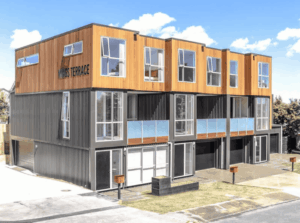
A common misconception is that modular buildings look repetitive or institutional. Modern technology, however, has unlocked vast design flexibility, allowing modular structures to achieve complex architectural aesthetics.
A. Leveraging Building Information Modeling (BIM)
BIM is the linchpin of modern modular design. It enables:
- A. Clashing Detection: BIM models precisely identify where mechanical, electrical, or plumbing systems might interfere before manufacturing begins, eliminating costly field fixes.
- B. Digital Prototyping: Designers can model and test different module configurations and assemblies virtually, optimizing structural efficiency and reducing material use.
- C. Supply Chain Integration: The BIM model can feed directly into automated cutting and assembly machinery, creating a seamless, error-proof manufacturing process.
B. Structural and Material Advancements
While steel frames are common for high-rise applications, modern modular construction utilizes a variety of materials:
- Cold-Formed Steel (CFS): Ideal for mid-rise structures, offering high strength-to-weight ratios.
- Wood/Timber: Highly sustainable, particularly Cross-Laminated Timber (CLT), which is increasingly used for its structural capacity and low carbon impact in taller buildings.
- Concrete: Used for specialized, high-durability modules, though less common due to weight and transportation challenges.
C. Overcoming the Transportation Constraint
The maximum size of a module is typically limited by highway regulations (e.g., width, height, and weight). Skilled modular architects design structures to be broken down into transportable units—a design constraint that paradoxically drives efficiency and innovation. Techniques include:
- A. Book-Matched Modules: Two mirror-image modules that, when placed side-by-side, form a larger space (e.g., a hotel room and a corridor section).
- B. Fold-Out Sections: Modules designed with walls or roofs that fold down during transport and are deployed on-site, maximizing internal volume while adhering to transport dimensions.
IV. Addressing the Challenges and Future Outlook
Despite its advantages, modular construction faces hurdles that must be overcome for widespread adoption.

A. Regulatory and Financing Barriers
The industry often struggles with outdated regulations and a risk-averse financial sector.
- A. Local Permitting: Some local building departments lack experience with modular construction, leading to slower permitting processes or confusion over factory vs. site inspections.
- B. Financial Structuring: Banks traditionally prefer to release funds incrementally based on on-site milestones. Modular construction, which requires significant up-front payment to the factory for off-site work, demands new, specialized financing models.
- C. Insurance Complexity: Insuring modules while in transit and storage requires specific, specialized insurance policies that differ from standard construction site coverage.
B. Logistics and Supply Chain Management
The entire process hinges on flawless logistics. A late delivery of one module can halt the entire on-site assembly.
- A. Transportation Coordination: Requires precise timing and coordination with police escorts and utility companies, especially for moving large loads through urban areas.
- B. Crane Scheduling: On-site installation is highly dependent on large, expensive crane rentals; any delay in module delivery can incur costly crane standby fees.
C. The Future: Automation and Digitization
The modular industry is poised for explosive growth driven by technological integration.
- Robotics and Automation: Factories are incorporating robotics for repetitive, high-precision tasks like welding and painting, further increasing speed, safety, and quality consistency.
- Digital Twins: Creating a ‘Digital Twin’ of the building using real-time data from the factory and site ensures maximum efficiency and simplifies future maintenance and asset management.
- Global Scaling: The ability to rapidly deploy high-quality, resilient housing and infrastructure makes modular construction a critical tool for disaster relief, rapid urbanization, and global development initiatives. The standardization inherent in the process makes it highly scalable across different regions.
V. Case Studies: Modular in Action
To illustrate the methodology’s capabilities, consider these high-profile applications:
- Hotels: Major chains utilize modular units for guest rooms, ensuring brand standard consistency across multiple locations and significantly accelerating opening dates. The time saved is measured in months, directly increasing revenue generation potential.
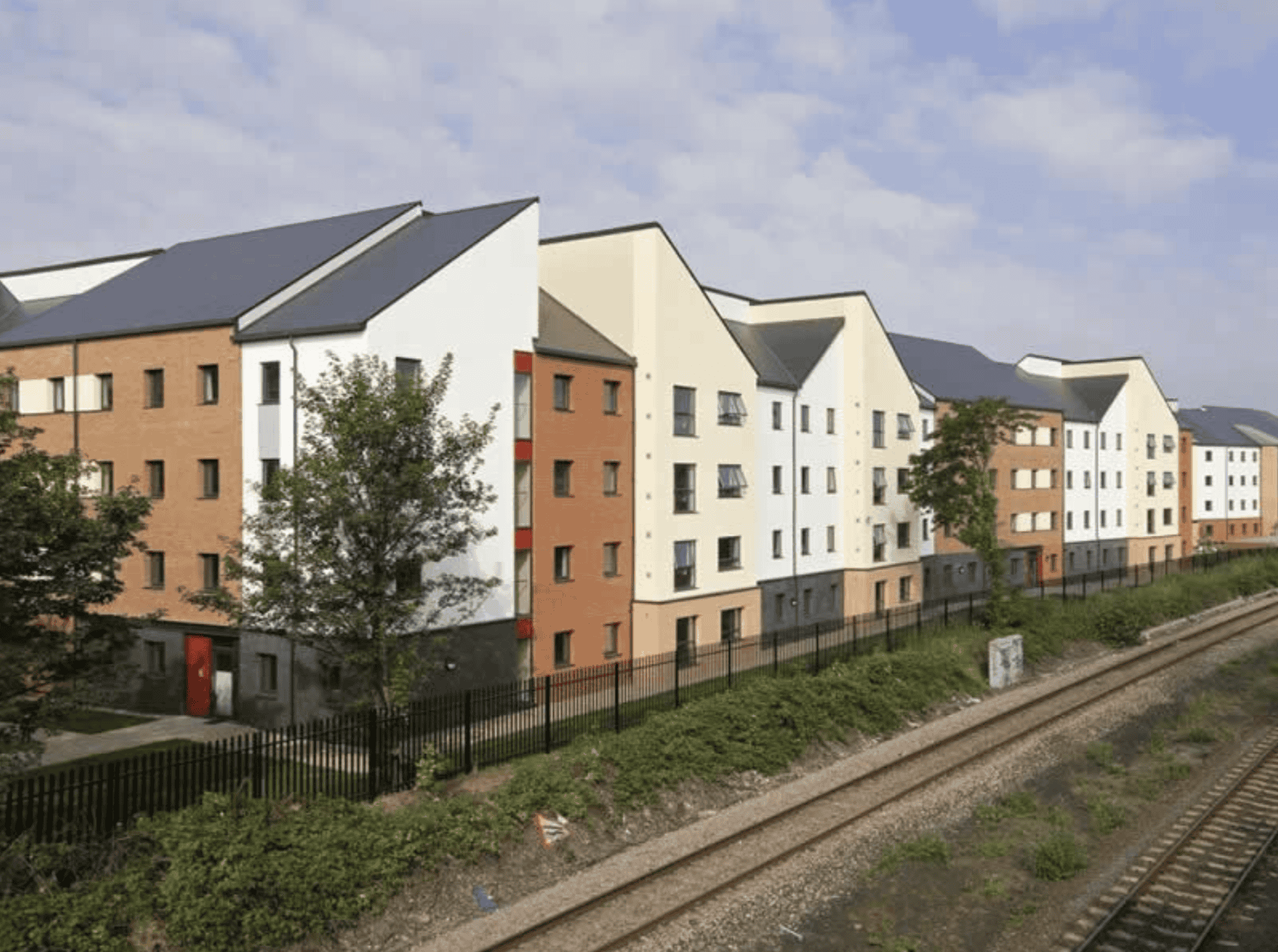
- Student Housing: Universities frequently employ modular construction to meet critical, short-window deadlines (e.g., having a dorm ready before the fall semester starts). This speed is paramount.
- Healthcare: Bathroom pods and even entire patient rooms are built modularly, ensuring high sanitary standards and technical complexity (plumbing, medical gas lines) are perfect before they arrive on-site.
Conclusion
Modular construction is a highly engineered solution to the inefficiencies of the 21st-century building industry. By shifting the bulk of the work from an unpredictable, chaotic outdoor site to a predictable, quality-controlled factory floor, it delivers on its promise of expediting modern project delivery while raising the bar for quality and sustainability. The industry is moving beyond simply “building faster” to “building better, smarter, and greener.”