

Embracing a minimalist lifestyle within your living space is far more than just a fleeting interior design trend; it is a profound shift toward intentional living. In a world that constantly bombards us with sensory overload and material excess, the minimalist home serves as a vital sanctuary for the mind and soul. This design philosophy centers on the idea that every object in your environment should serve a clear purpose or spark genuine joy.
By stripping away the unnecessary, you allow the true architectural beauty of your home and the quality of your remaining possessions to shine through. Modern minimalism is not about living in a cold, empty box, but rather about creating a warm, functional atmosphere through careful curation. It requires a disciplined eye to balance negative space with essential comforts, ensuring that the home feels spacious yet inviting. As we spend more time indoors, the psychological benefits of a clutter-free environment—such as reduced stress and increased focus—have become increasingly undeniable.
Transforming your house into a minimalist masterpiece involves a series of strategic choices regarding light, texture, and spatial flow. This comprehensive guide will explore the practical steps and creative mindsets needed to master the art of modern minimalist home design.
The journey toward a minimalist home often begins with a single realization: that your belongings should support your life, not complicate it. When you remove the physical noise from your rooms, you create room for mental clarity and peaceful relaxation.
The Core Principles of Minimalist Architecture
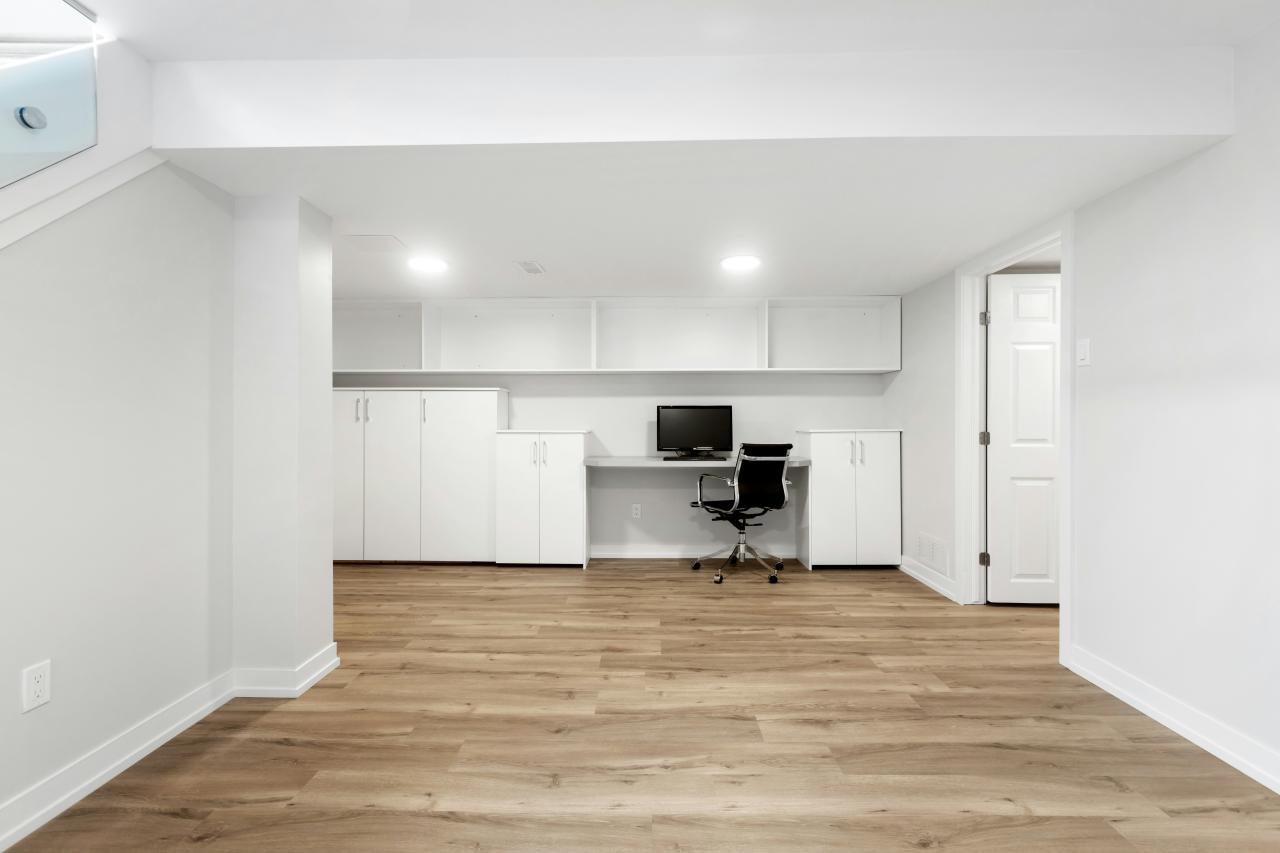
Before you start buying furniture, you must understand the structural elements that define a minimalist aesthetic. These principles ensure that the “bones” of your home support a clean and open lifestyle.
A. Prioritizing open floor plans that allow for natural movement and uninterrupted sightlines.
B. Utilizing large windows to maximize natural light and create a connection with the outdoors.
C. Incorporating clean, straight lines in both the wall structures and built-in features.
D. Selecting a neutral color palette that serves as a calm backdrop for daily life.
Minimalism thrives on simplicity and high-quality materials. When the architecture itself is beautiful and uncluttered, you need very little ornamentation to make a space feel complete.
Mastering the Art of Curated Furnishing
In a minimalist home, every piece of furniture must justify its existence through both form and function. You are looking for pieces that make a statement without shouting for attention.
A. Choosing multi-functional furniture, such as ottomans with hidden storage or extendable dining tables.
B. Opting for low-profile designs that keep the visual center of gravity close to the floor.
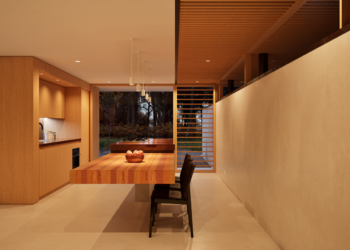
C. Investing in high-quality natural materials like solid wood, stone, and premium linen.
D. Leaving plenty of “negative space” around each item to let the room breathe.
It is always better to have one perfect armchair than three mediocre ones that crowd the room. Quality over quantity is the golden rule that prevents your home from feeling cramped.
Strategic Storage Solutions for Clutter Control
The secret to a successful minimalist home is often what you cannot see. Smart storage is the “behind-the-scenes” hero that keeps surfaces clear and organized.
A. Implementing floor-to-ceiling cabinetry that blends seamlessly with the walls.
B. Utilizing “hidden” storage nooks under stairs or within bed frames.
C. Adopting a strict “one-in, one-out” policy for new purchases to prevent clutter creep.
D. Organizing drawers with modular dividers so every small item has a specific home.
When everything has a designated place, tidying up becomes a five-minute task rather than a weekend chore. This allows you to maintain the minimalist look with very little daily effort.
Color Palettes and Textural Depth
A common misconception is that minimalist homes must be entirely white and boring. In reality, the best minimalist designs use texture and subtle tones to create a rich, tactile experience.
A. Using different shades of the same color to create a sophisticated, monochromatic look.
B. Adding warmth through natural textures like wool rugs, velvet cushions, and woven baskets.
C. Incorporating raw elements like exposed concrete or brushed brass for visual interest.
D. Using matte finishes to reduce glare and contribute to a soft, diffused light environment.
Texture provides the “soul” of a minimalist room. It prevents the space from feeling sterile and makes it feel like a cozy, lived-in home.
The Role of Lighting in Spatial Design
Lighting is the most powerful tool in your design kit when it comes to setting the mood. In a minimalist home, lighting should be both functional and sculptural.
A. Layering ambient, task, and accent lighting to create depth and eliminate dark corners.
B. Choosing light fixtures with simple, geometric shapes that act as art pieces.
C. Using dimmers to adjust the atmosphere based on the time of day or activity.
D. Highlighting architectural features with recessed lighting for a clean, modern look.
Good lighting can make a small room feel vast and a large room feel intimate. It is the invisible thread that ties all your design elements together.
Bringing Nature Indoors: The Minimalist Way
Biophilic design works perfectly with minimalism because plants bring organic shapes and vibrant life into a structured environment. However, the key is to be selective.
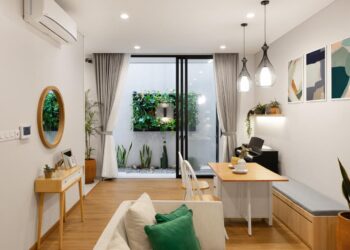
A. Placing a single, large statement plant like a Fiddle Leaf Fig in a corner.
B. Using identical pots to maintain a sense of rhythm and visual order.
C. Creating a small indoor herb garden in the kitchen for practical beauty.
D. Ensuring plants have plenty of natural light so they remain healthy and lush.
Plants provide a necessary contrast to the sharp lines of modern furniture. They soften the edges of the room and improve the air quality of your sanctuary.
Kitchen Minimalism: Functional and Fastidious
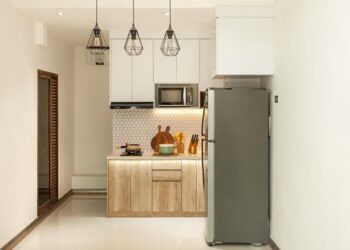
The kitchen is often the hardest place to maintain a minimalist look due to the sheer number of gadgets we own. A minimalist kitchen focuses on clean surfaces and high efficiency.
A. Storing all small appliances like toasters and blenders inside “appliance garages.”
B. Using integrated handles or “push-to-open” mechanisms for a handle-less cabinet look.
C. Keeping the countertops completely clear except for a single bowl of fresh fruit.
D. Selecting a uniform set of dinnerware and glassware that stacks perfectly.
A clear kitchen leads to a clear mind when preparing meals. It turns cooking from a stressful task into a creative and relaxing ritual.
Creating a Serene Minimalist Bedroom
Your bedroom should be the ultimate temple of rest. By removing distractions, you prime your brain for deeper and more restorative sleep.
A. Selecting a platform bed with a simple headboard or no headboard at all.
B. Using high-thread-count white or earth-toned linens for a hotel-like feel.
C. Removing electronics like televisions or computers from the sleeping area.
D. Keeping nightstands clear of everything except a lamp and perhaps a single book.
The absence of clutter in the bedroom allows you to wake up with a sense of calm and possibility. It is the best way to start and end your day.
Minimalist Bathroom Design: Spa-Like Simplicity
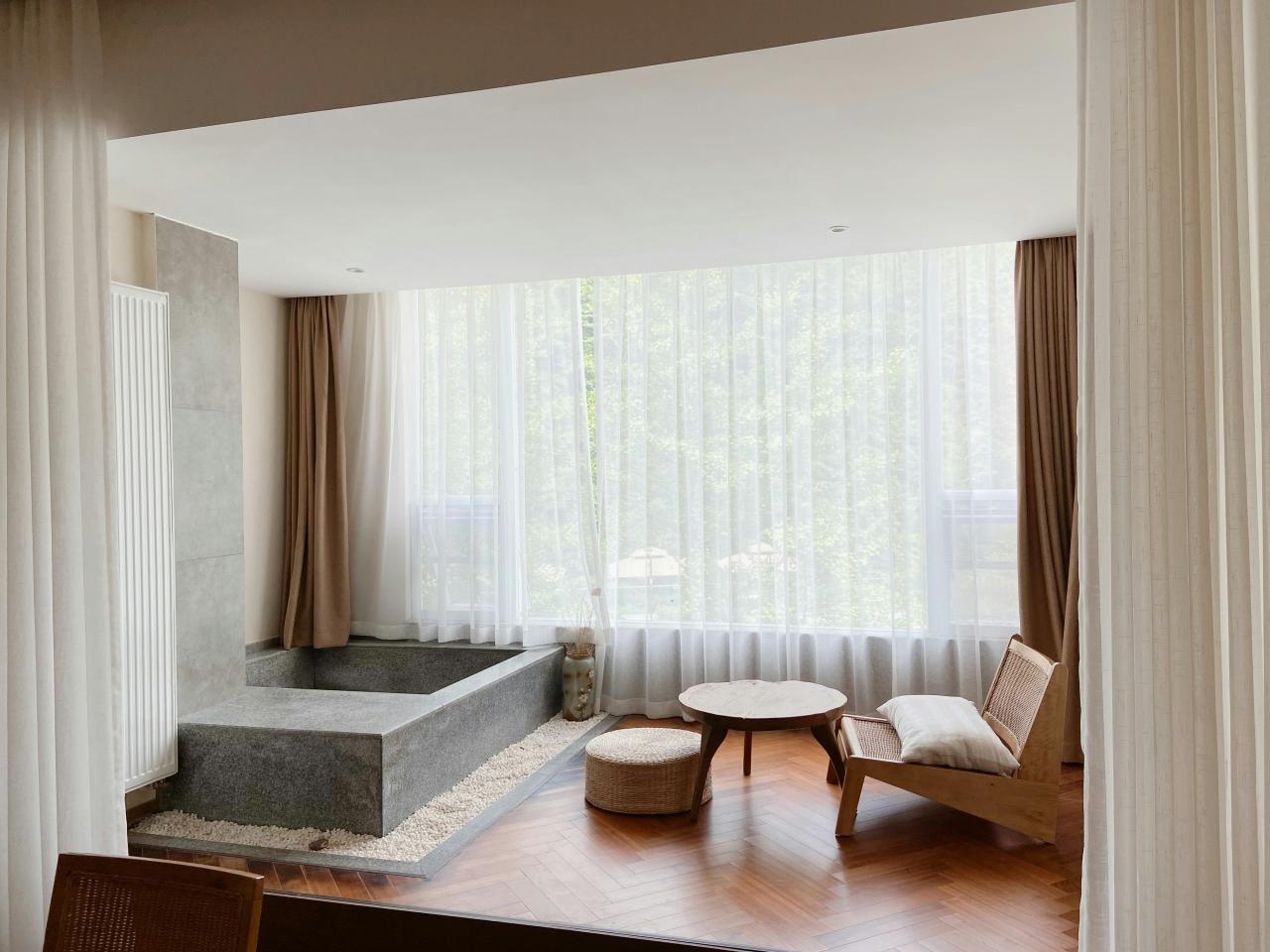
Even the smallest bathroom can feel like a luxury spa if you apply minimalist principles. The goal is to create a space that feels fresh, clean, and uncluttered.
A. Using large-format tiles to minimize grout lines and create a seamless look.
B. Installing a floating vanity to reveal more floor space and increase the sense of roominess.
C. Keeping only daily essentials on display in beautiful, uniform glass or ceramic dispensers.
D. Investing in high-quality, plush towels in a single neutral color.
A minimalist bathroom is easy to clean and always looks ready for guests. It provides a quiet space for your morning and evening self-care routines.
Conclusion
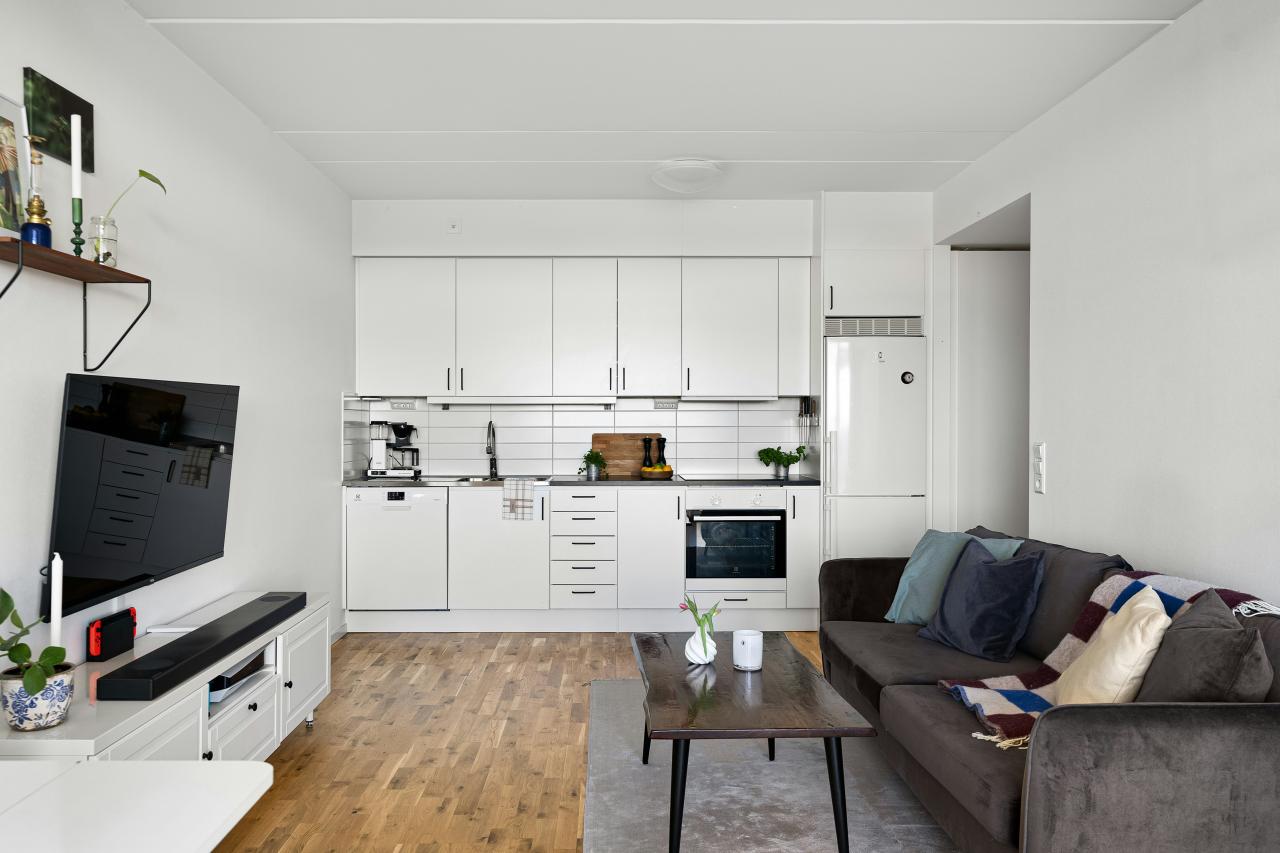
Embracing minimalism is a continuous process of refinement and self-discovery. It forces you to confront your relationship with the things you own. A beautiful home is one that supports your well-being every single day. You do not need a large budget to start your minimalist journey.
Begin by clearing a single surface and noticing how it changes the room. The space you create will soon be filled with peace and new ideas. Minimalism is not about lack, but about making room for what matters. Your home should be a reflection of your most essential self. Commit to the philosophy of “less but better” in every room. A truly modern home is one that breathes and lives alongside you.