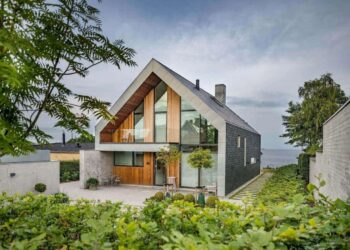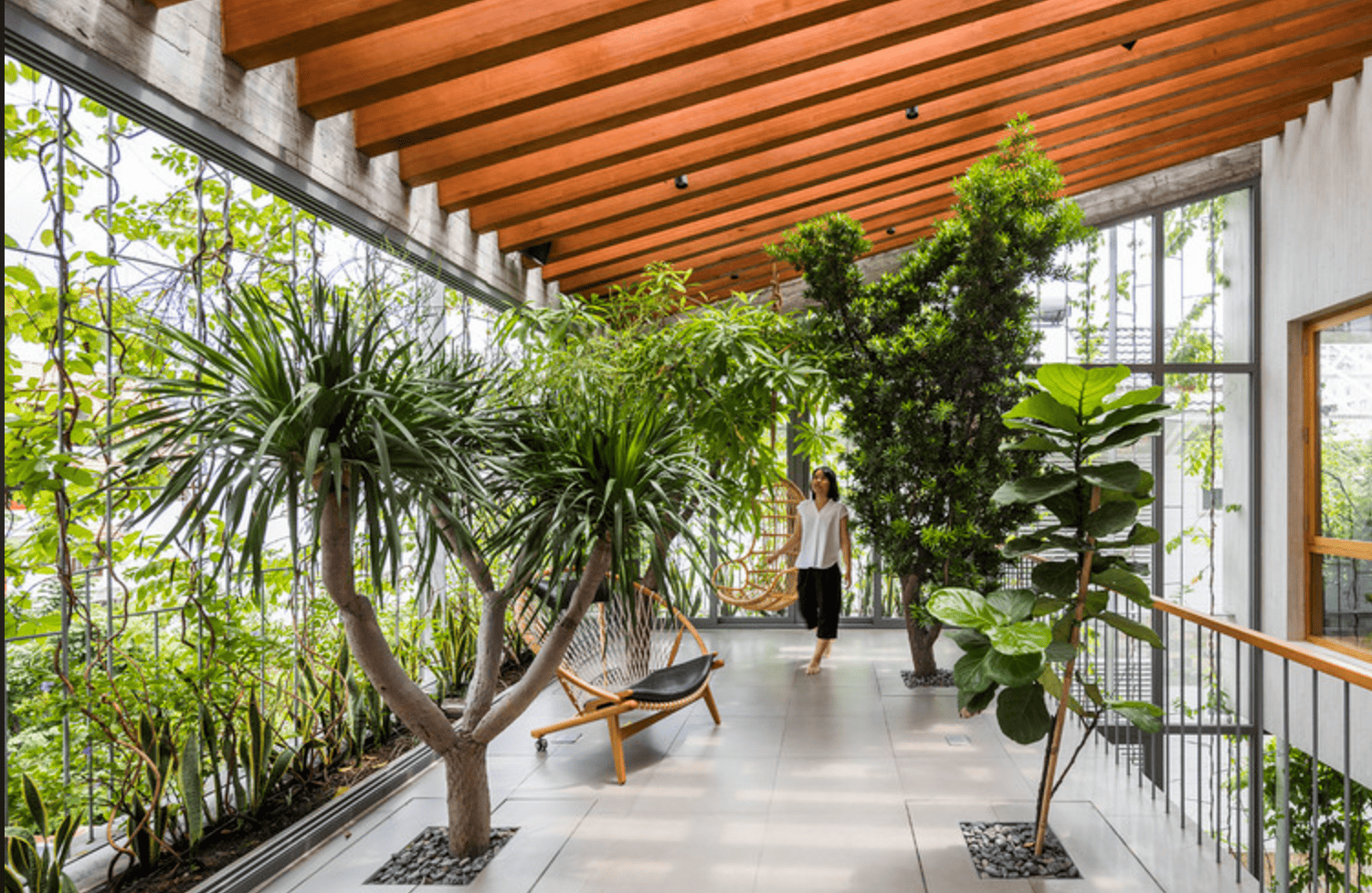
The global property market, particularly within the luxury and high-value investment sectors, is undergoing a profound transformation. Beyond the traditional metrics of location, square footage, and material quality, a new, critical differentiator has emerged: Biophilic Design. This sophisticated, evidence-based approach to architecture and interiors, which seeks to integrate elements of nature into the built environment, is no longer a luxury amenity but a strategic necessity. For astute investors, developers, and real estate professionals, understanding and implementing Biophilic Design is the most powerful path to commanding significant sale price premiums, securing higher occupancy rates, and guaranteeing superior long-term property investment returns.
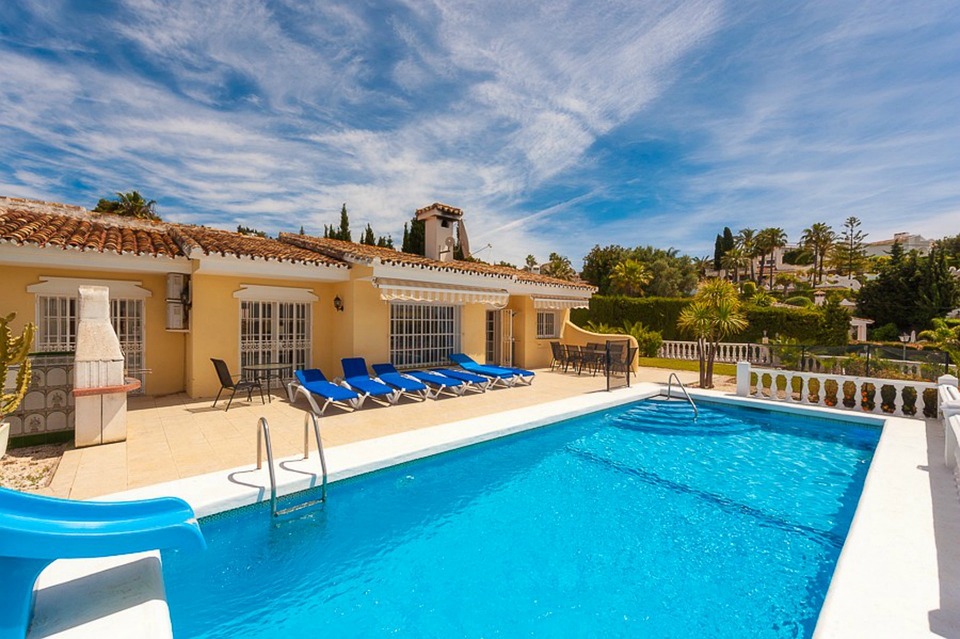
The Strategic Edge of Biophilic Integration
The philosophy of Biophilic Design rests on the premise that humans possess an innate, genetically determined need to connect with nature. When this need is fulfilled in residential or commercial properties, the resulting benefits—improved cognitive function, reduced stress, and enhanced creativity—translate directly into measurable economic value. For the high-value real estate market, this is paramount. High-net-worth individuals and premium corporate tenants are actively seeking environments that support wellness and productivity, making Biophilic Design the critical factor in their Willingness To Pay (WTP) a premium.
A. Quantifiable Value Drivers for Property Investment
Biophilic projects consistently outperform conventional designs across several key real estate investment metrics. The economic argument for biophilia is compellingly data-driven, moving far beyond mere aesthetic appeal.
A. Increased Sale Price Premium: Studies focusing on residential high-rise properties and luxury homes have repeatedly shown that properties marketed with verifiable biophilic features, such as green facades, abundant natural light, and indoor gardens, can fetch a sale price premium of 5% to 15% over comparable, non-biophilic properties in the same submarket.
B. Reduced Absenteeism and Improved Productivity: In commercial real estate (office spaces), tenants in biophilic buildings report significantly lower rates of absenteeism (often citing reductions of 6-10%) and demonstrate improved metrics in cognitive tests and overall productivity. This directly justifies higher rental rates and sustained tenancy for the property owner.
C. Accelerated Leasing and Lower Vacancy: Biophilic buildings are inherently more desirable. This desirability translates into quicker lease-up times and lower long-term vacancy rates, dramatically improving the investment’s Net Operating Income (NOI) and overall financial performance.
D. Lower Operational Costs and Energy Efficiency: Thoughtful integration of natural elements, such as optimal solar orientation and living walls that assist in air filtration and cooling, can substantially reduce heating, cooling, and lighting energy consumption, lowering the property’s operational expenditure (OpEx).
The Nine Core Principles: Biophilia in High-End Architecture
To successfully implement Biophilic Design for maximum financial impact, one must adhere to the foundational design principles. These are categorized into Direct Experience of Nature, Indirect Experience of Nature, and Experience of Space and Place. A true high-value real estate offering must seamlessly incorporate elements from all three categories.

A. Direct Experience of Nature (Nature in the Space)
These are the most tangible and immediate connections, providing a direct sensory experience of natural elements.
A. Visual Connection with Nature: Providing clear, unobstructed views to natural elements, ecosystems, or landscape features. This includes strategic window placement overlooking water, forests, or meticulously designed gardens.
B. Non-Visual Connection with Nature: Incorporating the auditory, olfactory, or tactile stimuli of nature. This includes the sound of water (waterfalls, fountains), natural scents (aromatic woods, living plants), and breezes.
C. Non-Rhythmic Sensory Stimuli: Exposure to unpredictable and dynamic elements of nature, such as the movement of shadows, the rustling of leaves, or the flickering of firelight. This variability keeps the environment engaging and non-monotonous.
D. Thermal and Airflow Variability: Designing for subtle changes in air temperature, humidity, and airflow that mimic natural outdoor conditions, preventing the static, stale environment typical of conventional buildings.
E. Presence of Water: Enhancing a property’s luxury appeal with integrated water features—ponds, reflecting pools, or indoor water walls—that provide visual, auditory, and thermal benefits.
F. Dynamic and Diffuse Light: Using natural light to create dynamic spaces through daylight harvesting, skylights, or light shelves that allow shadows and light intensity to change throughout the day, replicating the patterns found outdoors.
B. Indirect Experience of Nature (Natural Analogues)
These principles leverage the human preference for natural patterns, forms, and materials when direct elements are impractical or insufficient.
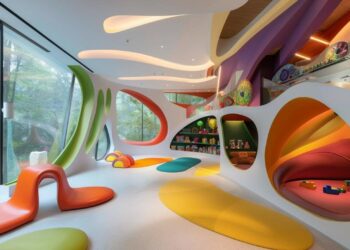
A. Biomorphic Forms and Patterns: Using patterns, shapes, and materials in the building structure, furniture, and décor that are inspired by nature’s geometry, such as spirals, fractals, or cellular structures.
B. Natural Materials: Utilizing materials that reflect the natural world, such as timber, stone, natural fibers, and earthen plasters, often in their unrefined or minimally processed states, contributing to a sense of authenticity and timelessness.
C. Complexity and Order: Designing spaces that exhibit a rich, sensory information load while maintaining an underlying structure and order, mirroring the complex yet organized nature of ecosystems.
C. Experience of Space and Place (The Context of the Environment)
This focuses on spatial configuration, emotional security, and the relationship between the structure and its context.
A. Prospect: Providing unimpeded views over a distance, giving the occupant a sense of mastery and safety, such as elevated terraces or strategically placed panoramic windows. This is highly correlated with luxury and exclusivity.
B. Refuge: Creating spaces of retreat and withdrawal—small, cozy nooks or semi-enclosed areas—where the individual is protected from the main flow of activity and external stimuli, offering a sense of privacy and decompression.
C. Mystery: Designing spaces that partially obscure the view, inviting the user to explore and discover, such as winding paths, translucent screens, or layered landscapes.
D. Risk/Peril: Incorporating design elements that suggest a sense of risk, but are actually completely safe, such as transparent floor sections, cantilevered balconies, or high-altitude glass railings, providing an exhilarating, yet controlled, sensory experience sought after in high-value property design.
Biophilia as the Engine for High-Yield Property Appraisal
The financial community, including appraisers and institutional investors, has begun to recognize Biophilic Design as a concrete asset that mitigates risk and ensures future value stability. This recognition elevates BD from a soft feature to a hard appraisal factor.
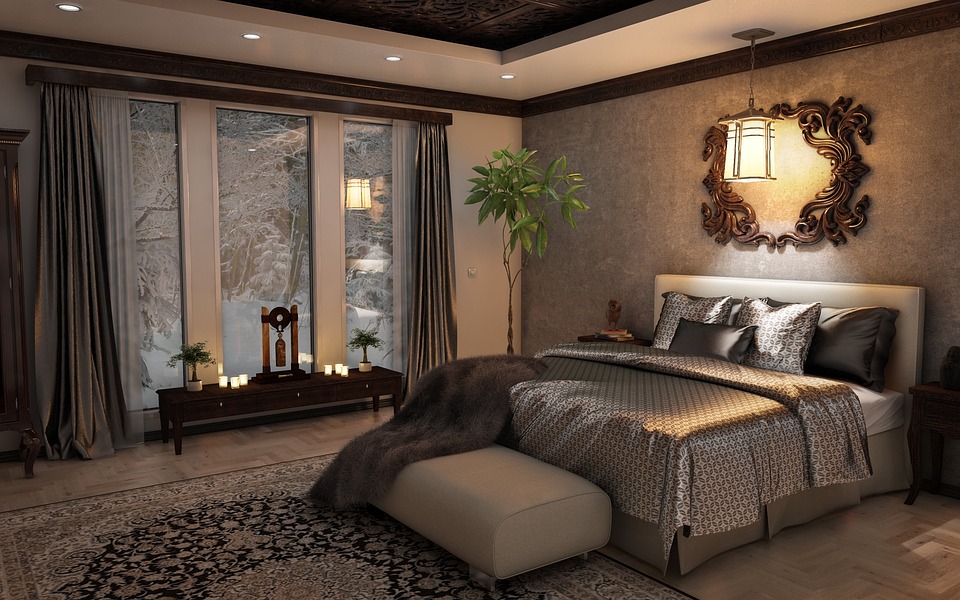
A. The Intersection with Global Standards (LEED, WELL)
Biophilic Design is intrinsically linked to global sustainability and wellness certifications, such as the Leadership in Energy and Environmental Design (LEED) and the WELL Building Standard. Achieving these certifications—which prioritize human and environmental health—is directly facilitated by biophilic principles and results in a measurable value accretion.
A. Certification as a Market Signal: A WELL-certified building signals to high-end tenants and investors that the property has undergone rigorous, third-party validation for human health and comfort, justifying a higher price per square foot (PSF).
B. De-risking the Investment: Sustainable, biophilic properties are often viewed as lower-risk assets by lenders and insurers due to their lower energy consumption and better long-term resilience, potentially leading to more favorable financing terms.
B. Long-Term Value Creation and Asset Resilience
The longevity of high-value real estate investment hinges on its resilience against market shifts and obsolescence. Biophilic properties are inherently designed for permanence and adaptability.
A. Future-Proofing Against Climate Concerns: Integration of natural systems makes buildings better equipped to handle environmental fluctuations, such as optimizing passive heating/cooling and managing stormwater runoff, protecting the physical asset.
B. Demand Resilience: As global awareness of climate change and personal wellness grows, the demand for biophilic spaces will only intensify. Properties designed with nature as a central component are future-proofed against a decreasing interest in conventional, sealed, and resource-intensive buildings.
C. Branding and Marketing Leverage: For multi-unit developments, the biophilic narrative provides a powerful, aspirational brand story that attracts affluent buyers focused on lifestyle, wellness, and environmental stewardship, allowing for a faster and more profitable sales velocity.
Investment Implementation and Maximizing AdSense Revenue
For publishers targeting the finance, architecture, and luxury real estate demographics, the length and detail of this article serve two key purposes: establishing deep authority for high SEO rankings and creating ample, non-disruptive space for premium AdSense placements.
A. Strategic Keyword Density and Semantic Depth
The article’s length allows for a high density of primary and long-tail keywords relevant to the high-value market without triggering penalties for keyword stuffing. The inclusion of technical terms (e.g., Prospect, Refuge, Willingness To Pay, Net Operating Income, LEED, WELL) ensures high semantic depth, attracting sophisticated search queries and the associated high-CPC (Cost-Per-Click) ads.
B. AdSense Optimization Zones
The strategic use of H2 and H3 headings creates natural content breaks, which are ideal zones for embedding AdSense units—especially responsive display ads and native in-feed units—to maximize both viewability and CTR. The high quality and extended dwell time of the reader on a 2000+ word article significantly increase the number of ad impressions per user session, translating directly into higher revenue.
Conclusion
The days of opulent, yet biologically sterile, luxury properties are rapidly fading. Biophilic Design represents the evolution of luxury—a move from conspicuous consumption to conscious, sustainable, and health-focused living. For developers and investors in the high-value real estate sector, incorporating these natural principles is not an expenditure but a mandatory capital improvement that guarantees a measurable and superior financial return. By aligning property design with the fundamental human need for nature, investors secure premium pricing, mitigate long-term risk, and establish their assets as benchmarks for future investment success.