The global construction industry is currently undergoing a massive structural shift as homeowners and developers prioritize environmental integrity over traditional building methods. Creating a net-zero residence is no longer a futuristic dream but a practical reality that combines advanced engineering with the wisdom of natural resource management. A
net-zero home is specifically designed to produce as much energy as it consumes, effectively canceling out its carbon footprint through high-efficiency systems and on-site power generation. This movement is driven by a growing awareness of the climate crisis and the desire for long-term financial independence from rising utility costs.
By carefully selecting ecological materials that have low embodied energy, builders can ensure that the home is sustainable from the very first day of construction. The integration of smart technology and organic design principles allows these structures to breathe, heal, and adapt to their surrounding ecosystems.
As we move toward a more conscious way of living, the architecture of our houses serves as a primary tool for ecological restoration and personal wellness. This comprehensive guide explores how the fusion of modern innovation and eco-friendly materials is redefining the standard for high-performance housing.
The Foundation of Net-Zero Philosophy

At its core, a net-zero home focuses on reducing energy demand to the absolute minimum before adding renewable energy sources like solar panels. It is a holistic approach that considers every aspect of the building envelope, from the soil beneath the slab to the peak of the roof.
A. Analyze the local microclimate to optimize the building’s orientation.
B. Implement airtight construction techniques to prevent unintended energy loss.
C. Prioritize high-performance insulation in floors, walls, and ceilings.
D. Use energy modeling software to predict and manage future consumption.
E. Focus on a compact building footprint to minimize material waste.
A well-planned foundation sets the stage for everything that follows in the construction process. If the shell of the house is leaky, even the most expensive solar array will struggle to keep up.
By understanding how the sun moves across your specific plot of land, you can heat your home for free during the winter. This natural advantage is the first step in achieving true energy neutrality.
Revolutionary Eco-Materials for Modern Walls
The choice of wall materials significantly impacts the thermal performance and carbon footprint of a new home. Traditional concrete and steel are being replaced by bio-based alternatives that actually store carbon within their fibers.
A. Cross-laminated timber (CLT) offers the strength of steel with much lower emissions.
B. Hempcrete provides exceptional thermal mass and natural moisture regulation.
C. Straw bale construction creates super-insulated walls that are surprisingly fire-resistant.
D. Rammed earth uses local soil to create beautiful, long-lasting structural elements.
E. Recycled steel studs offer a durable and termite-proof alternative to traditional wood.
Hempcrete is a particularly fascinating material because it continues to absorb carbon dioxide from the air as it cures. It creates a “breathable” wall that prevents mold growth and improves indoor air quality.
Using timber sourced from sustainably managed forests ensures that your home is part of a circular carbon cycle. Wood is one of the few building materials that is truly renewable and biodegradable.
High-Performance Windows and Passive Solar Gains
Windows are often the weakest point in a building’s thermal envelope, but modern technology has turned them into active energy-saving tools. Choosing the right glazing is essential for maintaining a constant internal temperature.
A. Triple-pane glass with argon or krypton gas fills reduces heat transfer.
B. Low-emissivity (Low-E) coatings reflect heat back to its source.
C. Insulated window frames made of fiberglass or thermal-break aluminum.
D. Strategic window placement to facilitate natural cross-ventilation.
E. Exterior shading devices like louvers to block harsh summer sun.
Passive solar design uses the sun’s energy to provide light and warmth without mechanical systems. In the winter, large south-facing windows allow the sun to heat up high-thermal-mass floors.
During the summer, those same windows must be protected by deep eaves or pergolas. This prevents the home from overheating and reduces the need for energy-heavy air conditioning.
The Power of Sustainable Roof Systems
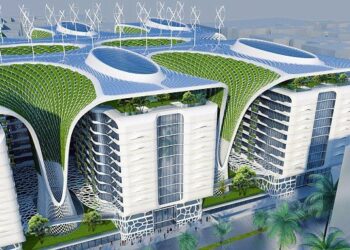
A roof does much more than just keep the rain out; it is the primary platform for energy collection and a critical barrier against heat gain. Modern eco-roofs combine functionality with environmental stewardship.
A. Cool roofs use reflective materials to bounce sunlight away from the building.
B. Green roofs utilize living plants to provide insulation and manage stormwater.
C. Solar shingles integrate photovoltaic cells directly into the roofing material.
D. Recycled slate or metal roofing offers extreme durability and recyclability.
E. Advanced attic ventilation systems prevent moisture buildup and heat pockets.
Vegetated roofs are excellent for urban environments where they help reduce the heat island effect. They also provide a habitat for local pollinators while protecting the roof membrane from UV damage.
For those who want a sleeker look, solar tiles are becoming a popular alternative to traditional panels. They protect the home while quietly generating clean electricity for the family.
Smart HVAC and Indoor Air Quality
Net-zero homes are so airtight that they require mechanical help to ensure the air stays fresh and healthy. Specialized systems are used to swap stale indoor air with filtered outdoor air while keeping the heat inside.
A. Energy Recovery Ventilators (ERV) transfer moisture and heat between air streams.
B. Air-source heat pumps provide efficient heating and cooling in a single unit.
C. Geothermal systems tap into the earth’s constant temperature for maximum efficiency.
D. Smart thermostats use AI to learn the family’s schedule and reduce waste.
E. HEPA filtration systems remove allergens and pollutants from the breathing zone.
Heat pumps are a game-changer for net-zero living because they move heat rather than creating it. This makes them significantly more efficient than electric baseboard heaters or gas furnaces.
In an airtight home, managing humidity is just as important as managing temperature. An ERV ensures that your home doesn’t feel stuffy or damp, even during the humid summer months.
Water Conservation and Circular Plumbing
A truly sustainable home manages its water resources with the same care it gives to energy. Circular plumbing systems ensure that every drop is used to its full potential before leaving the property.
A. Low-flow faucets and showerheads reduce daily water consumption by half.
B. Greywater systems recycle water from sinks and showers for garden irrigation.
C. Rainwater harvesting tanks store water for toilet flushing and outdoor use.
D. Tankless water heaters provide hot water on demand, eliminating standby loss.
E. Permeable driveway materials allow rain to soak back into the local aquifer.
Greywater recycling is a powerful way to keep your landscape green without using drinking water. It takes the “waste” from your laundry and bath and turns it into a valuable resource for your plants.
Rainwater harvesting can be as simple as a rain barrel or as complex as a buried cistern with filtration. In some regions, a well-designed system can provide all the water a household needs.
The Role of Natural and Non-Toxic Finishes
The materials you choose for the inside of your home affect your health every single day. Many traditional paints and glues release harmful chemicals, but eco-alternatives offer a safer path.
A. Zero-VOC (Volatile Organic Compound) paints eliminate chemical off-gassing.
B. Natural clay plasters provide a beautiful finish that regulates indoor humidity.
C. Cork flooring is a renewable, soft, and naturally antimicrobial option.
D. Reclaimed wood adds character and history without requiring new trees to be cut.
E. Bamboo surfaces offer the hardness of oak with a much faster growth cycle.
Clay and lime-based finishes have been used for thousands of years because they are “vapor-open.” This means they allow moisture to move through walls, preventing the buildup of trapped dampness.
Choosing natural fibers like wool for carpets or linen for curtains adds to the home’s ecological integrity. These materials are biodegradable and don’t shed microplastics into your living environment.
Integrating Renewable Energy Storage
Generating your own power is only half the battle; you also need a way to store that energy for use at night or during cloudy days. Battery technology is the final piece of the net-zero puzzle.
A. Lithium-iron-phosphate (LFP) batteries offer long life and high safety standards.
B. Smart inverters manage the flow of electricity between the panels, battery, and grid.
C. Vehicle-to-home (V2H) technology allows your electric car to power your house.
D. Backup circuits ensure that essential appliances stay running during a grid failure.
E. Energy monitoring apps help families visualize and reduce their peak power usage.
Home batteries allow you to become your own utility company. You can charge them when the sun is brightest and use that free energy when the sun goes down.
This level of energy resilience is incredibly valuable during extreme weather events. While the rest of the neighborhood may go dark, a net-zero home can keep the lights on and the fridge cold.
Sustainable Landscaping and Permaculture
The area surrounding a net-zero home should be just as functional and sustainable as the building itself. Permaculture principles help create a landscape that feeds the family and the earth.
A. Native plantings require less water and provide food for local wildlife.
B. Edible landscaping replaces ornamental lawns with fruit trees and vegetable beds.
C. Composting systems turn kitchen waste into nutrient-rich soil for the garden.
D. Swales and rain gardens capture runoff and prevent erosion on the property.
E. Drip irrigation delivers water directly to the roots, minimizing evaporation.
Lawns are often “green deserts” that require massive amounts of water and chemicals. Replacing them with native wildflowers or a kitchen garden increases biodiversity and reduces maintenance.
A well-placed deciduous tree acts as a natural air conditioner. Its leaves provide shade during the hot summer but fall off in the winter to let the warming sun through.
Lighting Design and Circadian Wellness
Lighting plays a major role in both energy consumption and human health. A net-zero home maximizes natural daylight while using smart LED systems to support the body’s natural rhythms.
A. Solatubes and skylights bring natural sunlight into windowless interior rooms.
B. High-efficiency LEDs use 90% less energy than old-fashioned bulbs.
C. Motion sensors in closets and pantries ensure lights are never left on.
D. Tunable lighting changes color temperature to match the time of day.
E. Dimmers allow for precise control of energy use and room atmosphere.
Natural light is a powerful mood booster and can even improve sleep quality. Designing a home with “daylight harvesting” in mind reduces the need for artificial lights during the day.
Smart lighting systems can be programmed to slowly brighten in the morning, mimicking a sunrise. This gentle wake-up call is much better for your nervous system than a loud alarm.
The Importance of Embodied Carbon
While net-zero focuses on operational energy, a truly sustainable builder also looks at the energy used to create the materials. This is known as embodied carbon, and it is a critical part of the climate equation.
A. Sourcing materials from local suppliers to reduce transportation emissions.
B. Choosing recycled or salvaged materials over virgin resources.
C. Selecting materials that require minimal processing and manufacturing.
D. Planning for the “end of life” by choosing materials that can be easily recycled.
E. Offsetting any unavoidable construction emissions through verified carbon credits.
If you build a very efficient home but use materials shipped from across the globe, your total impact is still high. The goal is to minimize the “carbon debt” created during the building phase.
Reusing materials like old bricks or barn wood is the best way to lower embodied carbon. These items have already “paid” their carbon price and bring a unique aesthetic to the new home.
Managing the Construction Process Ethically
A net-zero project requires a team of contractors who understand and respect the high standards of green building. Communication and site management are key to preventing waste.
A. Implement a strict waste management plan to recycle construction debris.
B. Protect existing trees and topsoil during the excavation phase.
C. Ensure that all glues, sealants, and caulks are non-toxic and low-VOC.
D. Conduct a “blower door test” mid-construction to find and fix air leaks.
E. Educate the homeowners on how to operate their new high-tech systems.
Waste on a typical construction site is a massive environmental problem. A sustainable builder will sort wood, metal, and cardboard to ensure they stay out of the landfill.
The blower door test is a vital quality control step for any net-zero home. It involves depressurizing the house to see exactly where air is leaking through the walls or windows.
Financial Incentives and Long-Term Value
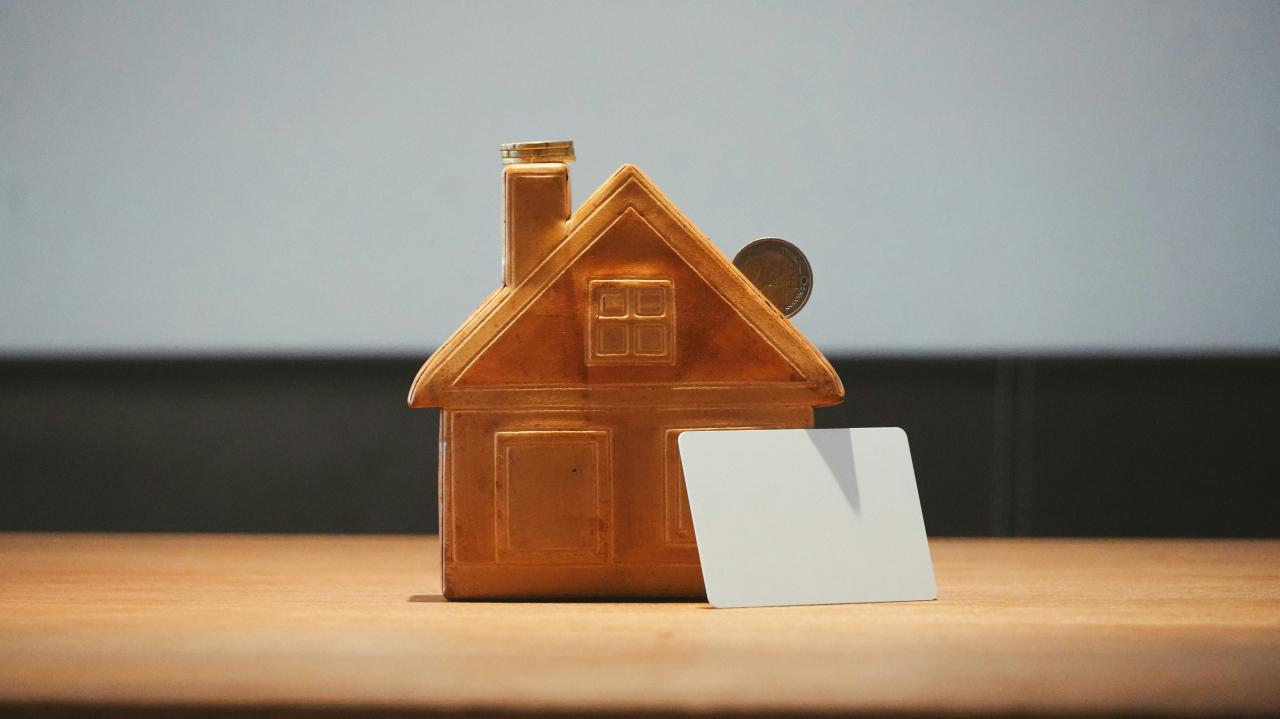
Building green is a smart financial investment that pays dividends for decades. While the upfront cost may be slightly higher, the total cost of ownership is much lower.
A. Take advantage of federal and local tax credits for renewable energy.
B. Benefit from “green mortgages” that offer lower interest rates for efficient homes.
C. Enjoy near-zero monthly utility bills for the life of the property.
D. Increase the resale value by offering a future-proofed, high-quality home.
E. Lower insurance premiums through the use of fire-resistant and durable materials.
As energy prices continue to rise, the value of an energy-independent home will only grow. Buyers are increasingly looking for houses that are protected from volatile market swings.
A net-zero home is built to a higher standard than the minimum building code. This means it is often more durable, quieter, and more comfortable than a standard house.
Designing for Longevity and Adaptability
A sustainable home should be built to last for 100 years or more. This requires a design that can adapt as the family grows or as the owners age.
A. Use “universal design” principles like wide doorways and zero-step entries.
B. Create flexible rooms that can serve as an office, bedroom, or gym.
C. Choose classic, timeless materials that won’t go out of style.
D. Design for easy maintenance by making mechanical systems accessible.
E. Build with the future climate in mind, including higher heat and heavier rain.
Adaptability prevents the need for major renovations or moves later in life. A home that can evolve with you is the ultimate form of sustainable living.
Using durable materials like stone, brick, or high-quality timber reduces the need for repairs. The less you have to fix or replace, the lower the lifetime footprint of the building.
The Future of Net-Zero Communities
We are moving from individual green homes to entire neighborhoods that share energy and resources. This community-scale approach is the next frontier of sustainable architecture.
A. Community solar arrays that provide power to multiple households.
B. Shared electric vehicle charging hubs for the neighborhood.
C. Centralized composting and community gardens for food security.
D. Walkable streets that prioritize people and play over car traffic.
E. Neighborhood-scale water recycling and management systems.
Living in a net-zero community fosters a sense of shared purpose and connection. It allows for bigger investments, like a neighborhood-scale battery, that benefit everyone.
These communities are often designed with “social sustainability” in mind. This means plenty of public spaces where neighbors can meet, talk, and build a strong local culture.
Conclusion

Creating a net-zero home is a powerful statement of commitment to the future. Every choice you make during the building process has a ripple effect on the planet. By choosing eco-materials, you are creating a healthier environment for your family.
The initial investment in efficiency pays back every single month in lower costs. Technology and nature can work together to create a truly harmonious living space. You are building more than just a house; you are building a legacy of stewardship. The peace of mind that comes from energy independence is truly priceless. Stay informed about new materials and techniques as they continue to emerge.
A home that gives back to the earth is the ultimate expression of modern luxury. Your journey toward a net-zero life is an inspiration to your entire community. The walls surrounding you should be as vibrant and alive as the world outside. Together we can design a future where every home is a force for global healing.