The architectural world is currently undergoing a massive paradigm shift where aesthetics and environmental ethics are finally merging into a single, cohesive discipline. For decades, modern design was often criticized for being cold and energy-inefficient, but today’s most visionary architects are proving that high-end luxury can be carbon-neutral.
We are witnessing the rise of “living buildings” that do not just sit on the land but actively participate in the local ecosystem by generating their own power and recycling their own waste. This evolution is driven by a new generation of homeowners who demand that their private sanctuaries reflect their commitment to preserving the planet for future generations. Innovative materials like cross-laminated timber, recycled steel, and carbon-sequestering concrete are replacing traditional, high-impact resources in the luxury residential market.
Furthermore, the integration of smart home technology allows these structures to breathe and adapt to the environment in real-time, optimizing thermal comfort without relying on fossil fuels. Navigating the world of sustainable modernism requires a deep understanding of how passive design principles can be elevated through artistic expression and technical precision. This article explores the most groundbreaking sustainable home designs that are currently redefining what it means to live beautifully and responsibly in the twenty-first century.
The Philosophy of Regenerative Architecture
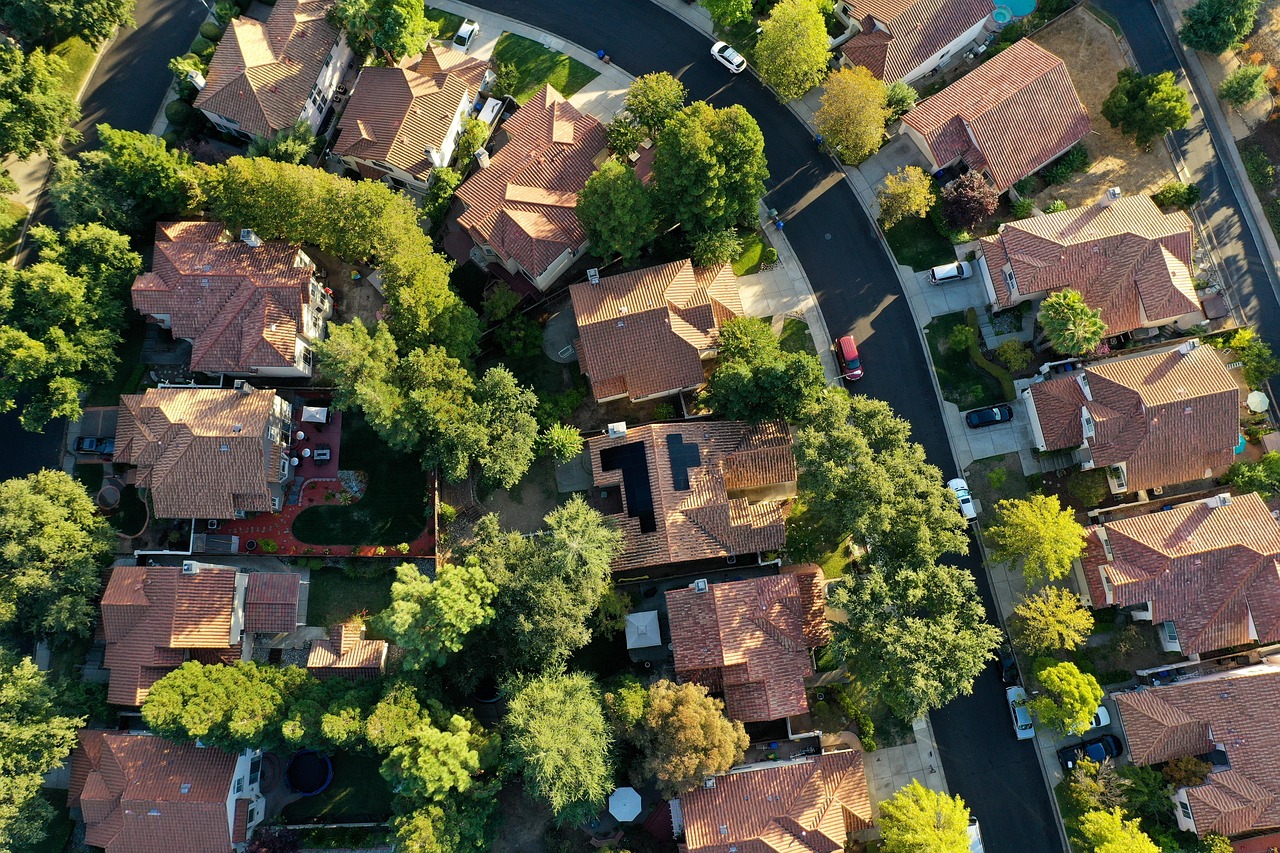
Modern sustainability has moved far beyond the simple installation of solar panels on a rooftop. Today, the most innovative designs focus on a regenerative approach where the building actually improves the quality of its surrounding environment.
Architects are now utilizing site-specific data to ensure that every window, wall, and roofline is perfectly positioned to capture natural light and airflow. This reduces the mechanical load on the house, creating a living space that feels naturally comfortable throughout the changing seasons.
The goal is to create a seamless loop between the built environment and the natural world. By using local materials and low-impact construction methods, these homes minimize their “embodied carbon” long before the first resident even moves in.
Top Categories of Innovative Sustainable Designs
To understand the diversity of the modern sustainable movement, we must look at the different architectural languages being used to solve environmental challenges. Each of these styles offers a unique take on the marriage between form and function.
A. Biophilic Urban Sanctuaries
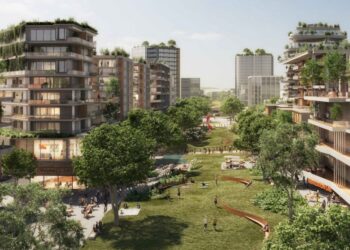
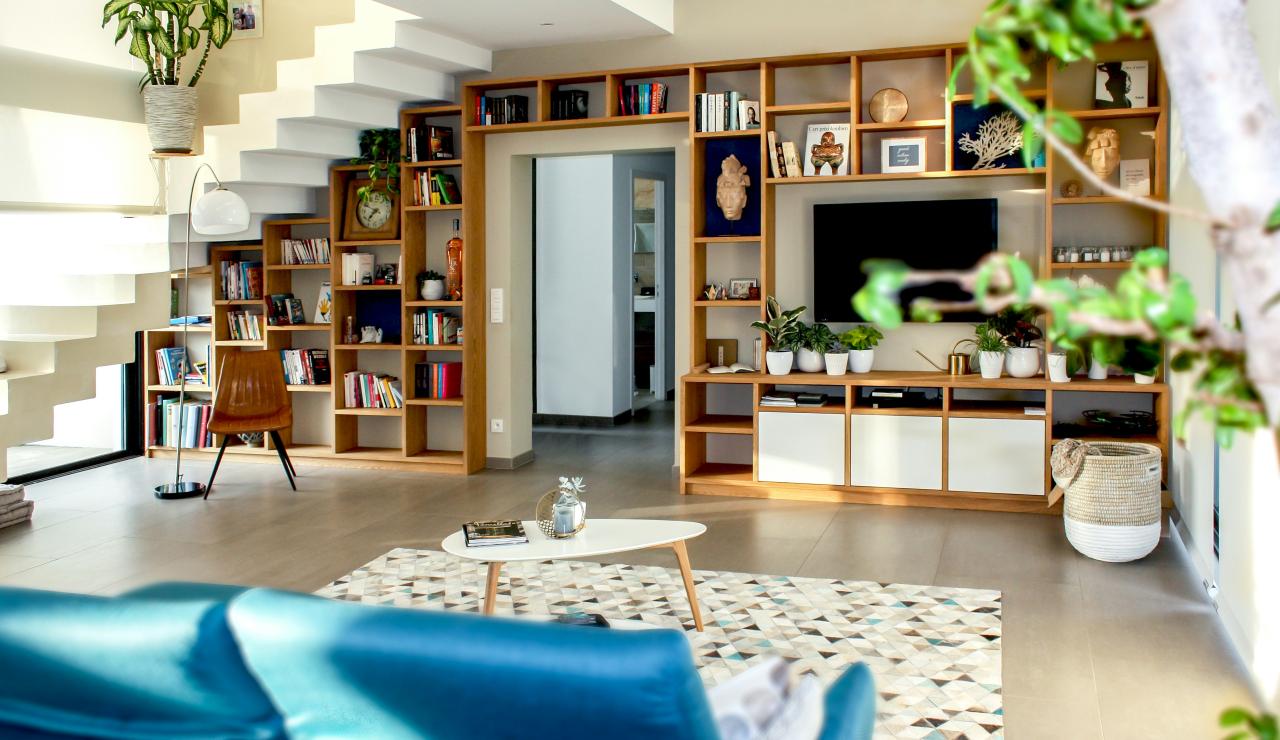
These designs prioritize a deep connection to nature by integrating vertical gardens and indoor forests directly into the structural skeleton. Large glass expanses use specialized coatings to allow light in while blocking the heat that usually causes high energy bills. The result is a home that feels like an extension of the outdoors, significantly reducing the stress levels of its inhabitants.
B. Modular and Prefabricated Luxury
Modern prefab homes are no longer the simple boxes of the past; they are high-tech marvels built with surgical precision in controlled factory environments. This method virtually eliminates material waste and allows for much tighter insulation seals than traditional on-site construction. These homes can be assembled in a matter of weeks, drastically reducing the environmental disturbance to the local building site.
C. Adaptive Reuse and Heritage Modernism
Some of the most sustainable homes are those that take existing industrial or agricultural structures and transform them into ultra-modern living spaces. By preserving the original brick, stone, or timber of an old warehouse or barn, architects save a massive amount of energy that would have been spent on demolition. These projects blend history with futuristic technology, creating a unique aesthetic that cannot be replicated in a new build.
Advanced Materials Shaping the Future
The “ingredients” of a house are just as important as its shape when it comes to long-term sustainability. Architects are increasingly experimenting with bio-based materials that offer superior insulation and a much smaller environmental footprint.
A. Cross-Laminated Timber (CLT)
CLT is often called “the concrete of the future” because it offers the strength of steel but is made from renewable wood.
It acts as a carbon sink, storing carbon dioxide within the walls of the home for the entirety of its lifespan.
The natural warmth of the wood provides a beautiful interior finish that requires very little additional decoration or chemical paint.
B. Hempcrete and Mycelium Insulation
Hempcrete is a carbon-negative material made from the woody core of the hemp plant mixed with lime.
Mycelium, the root structure of fungi, is being grown into specialized organic bricks that offer incredible fire resistance and acoustic insulation.
These materials are completely biodegradable at the end of the building’s life, ensuring no toxic waste is left behind.
C. Recycled Glass and Polymer Countertops
High-end kitchens are now featuring surfaces made from ocean plastics and crushed architectural glass.
These materials are non-porous and more durable than many natural stones like marble or granite.
Using recycled content reduces the demand for destructive mining and quarrying operations globally.
Passive House Standards and Thermal Mastery
The “Passive House” movement is a rigorous voluntary standard for energy efficiency that reduces a building’s ecological footprint. It results in ultra-low energy buildings that require little energy for space heating or cooling.
A. Super-Insulated Envelopes
This involves creating a continuous layer of insulation around the entire house, including the foundation and the roof.
It prevents “thermal bridging,” which is where heat escapes through the structural studs of the walls.
A super-insulated home can stay warm in the winter using nothing but the heat from the occupants’ bodies and the sun.
B. High-Performance Triple Glazing
Windows are often the weakest point in a home’s thermal defense, but triple-paned glass changes the game.
These units use inert gases like argon between the panes to provide a massive barrier against temperature transfer.
Specialized coatings can also reflect heat back into the room during winter or block it out during the summer.
C. Energy Recovery Ventilation (ERV)
ERV systems ensure that the home always has fresh, filtered air without losing the internal temperature.
The system captures the heat from outgoing “stale” air and transfers it to the incoming “fresh” air.
This results in incredible indoor air quality, which is vital for the health of people living in urban or polluted environments.
Smart Technology Integration
Sustainability in 2025 is inseparable from smart home automation. Sensors and AI now work together to ensure that no watt of energy is ever wasted on an empty room or an open window.
Smart glass can now tint itself automatically based on the position of the sun to prevent glare and overheating. Meanwhile, intelligent water systems monitor for leaks and recycle “greywater” from showers to irrigate the garden or flush toilets.
Home energy management systems can even communicate with the local power grid. They can choose to charge the home’s backup batteries when electricity is cheap and plentiful, then run the house on battery power during peak hours.
Water Conservation and Xeriscaping
In many parts of the world, water is becoming more precious than gold. Sustainable modern homes now incorporate sophisticated water management systems that treat every drop as a valuable resource.
A. Rainwater Harvesting Systems
Large underground tanks collect water from the roof, which is then filtered for use in laundry and irrigation.
This reduces the strain on municipal water supplies and prevents “runoff” that can cause local flooding.
Modern filtration technology is so advanced that this water can even be made safe for drinking in some jurisdictions.
B. Greywater Recycling
Water from sinks and showers is treated and reused for non-potable purposes like watering the landscape.
This can reduce a household’s total water consumption by up to 40% every single year.
It creates a closed-loop system that is especially effective in arid climates or during drought conditions.
C. Xeriscaping and Native Planting
Traditional lawns are being replaced with native plants that require zero supplemental watering once established.
These landscapes provide a vital habitat for local pollinators like bees and butterflies.
The aesthetic of xeriscaping matches the “minimalist” vibe of modern architecture perfectly, using stones, succulents, and wild grasses.
The Return of Earth-Sheltered Design
One of the oldest building techniques is making a high-tech comeback in the luxury market. Earth-sheltered homes use the ground itself as a massive thermal battery to keep the living space at a constant temperature year-round.
By building into a hillside or covering the roof with a thick layer of soil and plants, architects can create homes that are virtually invisible from a distance. This “living roof” also provides extra insulation and absorbs CO2, turning the house into a literal piece of the landscape.
Modern earth-sheltered designs feature light wells and massive glass facades to ensure that the interiors are bright and airy. They offer a level of privacy and storm protection that traditional above-ground houses simply cannot match.
Conclusion
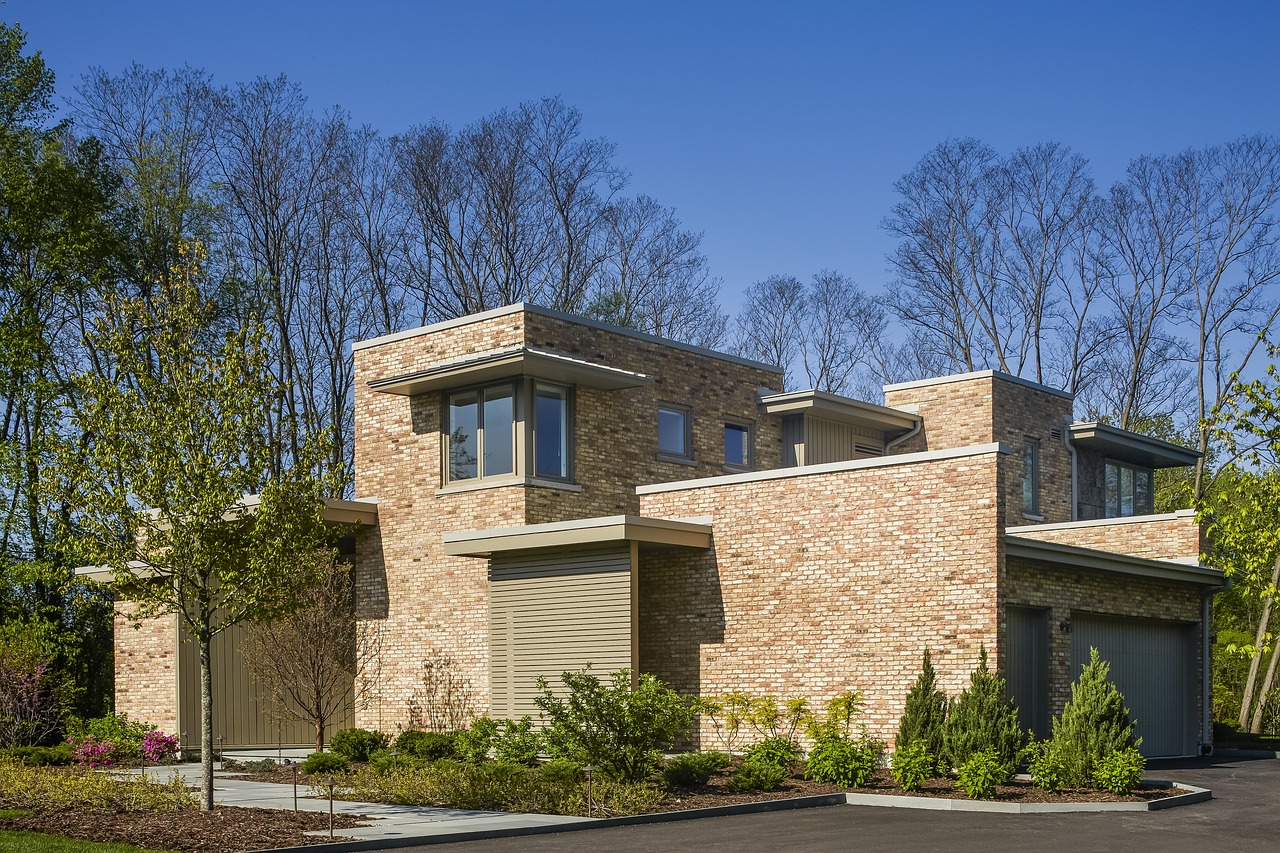
Sustainable architecture is no longer a niche choice for the environmentally conscious few. The most innovative designs prove that we can live in luxury without destroying the planet. Energy efficiency starts with the orientation of the building and the quality of its envelope.
Modern materials like CLT and hempcrete are revolutionizing how we think about structural strength. Smart technology acts as the nervous system of the modern, high-performance home. Water conservation is becoming just as critical as energy production in new builds.
Adaptive reuse projects offer a way to honor the past while protecting the future. The most successful homes are those that foster a deep, daily connection to nature. Architects are the bridge between technical engineering and artistic environmentalism. Choosing a sustainable home design is the ultimate investment in a better world for everyone.