The global construction industry is currently undergoing a massive transformation as the world shifts toward a more conscious and sustainable way of living. For decades, urban development focused almost entirely on speed and height without much regard for the long-term impact on our natural environment. However, as the challenges of resource scarcity and rising energy costs become more apparent, developers are embracing green technology as a way to secure their financial futures. Modern cities are no longer just collections of concrete and steel; they are becoming living ecosystems that breathe, recycle water, and generate their own clean power.
This evolution is being fueled by a new generation of architects who prioritize structural efficiency and biophilic principles over traditional building methods. By integrating natural elements into the very fabric of our skyscrapers, we can create spaces that improve human health while drastically reducing operational expenses. Transitioning to sustainable architecture is not just a moral choice but a highly strategic business move that attracts premium tenants and investors. This guide will explore the most effective ways to design and manage eco-friendly structures that thrive in the busy urban landscapes of today. We will look at revolutionary materials, smart energy systems, and the clever design choices that make these buildings the most valuable assets in any city.
The Evolution of Regenerative Urban Architecture
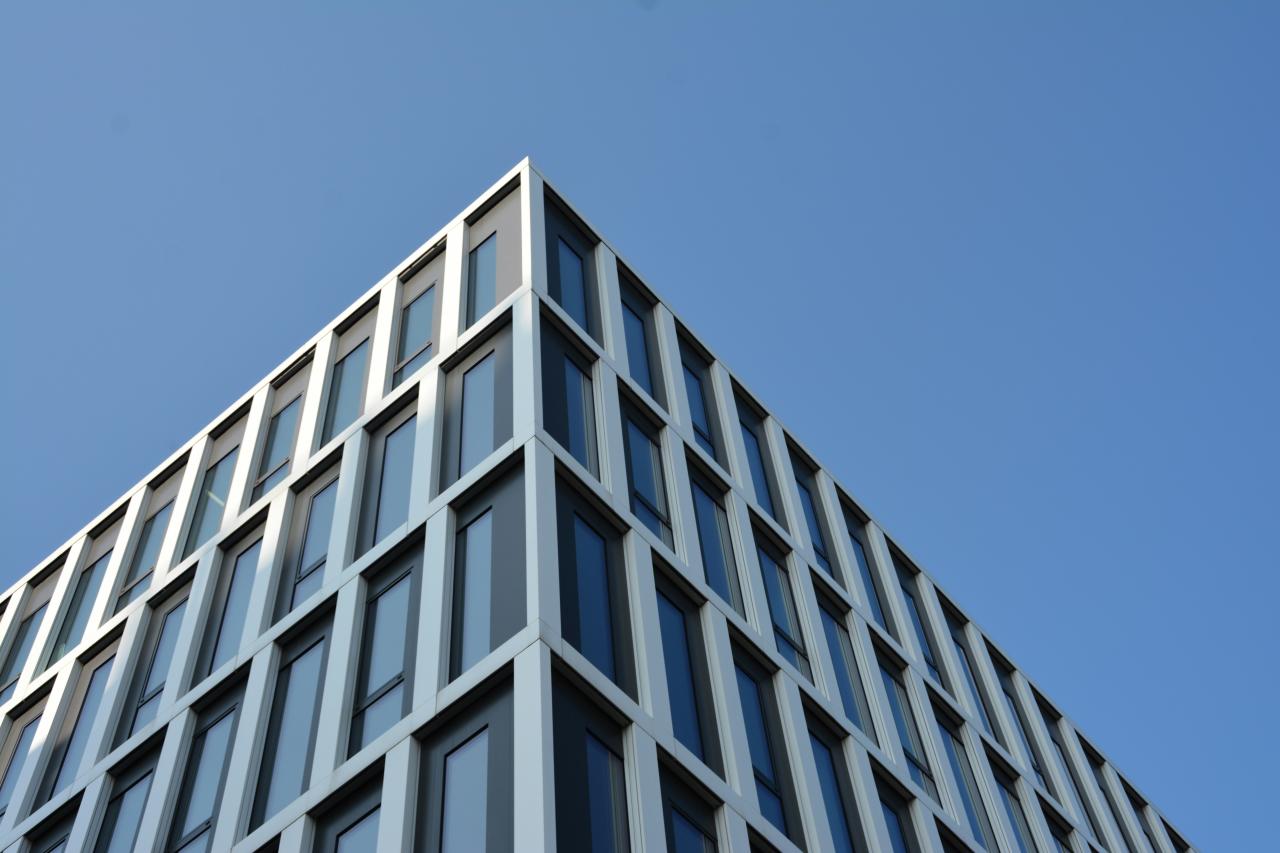
Sustainable design has moved far beyond simple recycling bins and energy-efficient light bulbs in the office.
We have entered the era of regenerative architecture, where buildings are designed to actually give back to their environment.
This means a structure might clean the surrounding air or produce more electricity than its inhabitants can actually consume.
A. Active Carbon Capturing Building Envelopes
B. Living Walls and Vertical Forest Integration
C. Bio-climatic Orientation for Passive Cooling
D. Self-Healing Concrete with Micro-organism Tech
E. Modular Construction for Reduced Site Waste
By using active carbon-capturing materials, a building can function like a giant mechanical tree in the heart of the city.
Passive cooling strategies take advantage of natural wind patterns to reduce the need for expensive air conditioning systems.
Modular construction allows parts of a building to be manufactured in a controlled factory setting, which saves time and eliminates trash.
Maximizing Efficiency with Smart Building Envelopes
The “skin” of a building is the most important factor in determining how much energy it will waste over its lifetime.
Modern skyscrapers are now being wrapped in high-tech materials that can change their transparency based on the sun’s position.
This keeps the interior cool during a hot afternoon while allowing natural light to flood the workspace without the heat.
A. Dynamic Photochromic Glass and Smart Windows
B. Building Integrated Photovoltaic Solar Facades
C. High Performance Vacuum Insulated Panels
D. Natural Ventilation Through Breathable Membranes
E. Reflective Roof Coatings to Reduce Heat Islands
Smart windows can automatically tint themselves when the sun is too bright, saving thousands of dollars in cooling costs every month.
Solar facades turn the entire surface of a building into a giant power plant that captures energy from every angle.
These technologies ensure that the building remains comfortable for people while maintaining a very low carbon footprint.
Water Management and Circular Resource Systems
Clean water is becoming a rare commodity in many urban areas, making on-site water recycling a top priority for developers.
Modern eco-friendly buildings are designed to capture every drop of rain and reuse every gallon of wastewater produced inside.
This creates a closed-loop system that protects the building from local water shortages and rising utility prices.
A. Atmospheric Water Generation and Rain Harvesting
B. Graywater Recycling for Landscape and Toilets
C. On-Site Biological Wastewater Treatment Plants
D. Low-Flow Smart Fixtures with Leak Detection
E. Permeable Pavements for Groundwater Recharge
Graywater recycling takes water from sinks and showers and treats it so it can be used again to flush toilets or water gardens.
Rainwater harvesting systems collect water from the roof and store it in large underground tanks for use during dry seasons.
These systems can reduce a building’s total water demand by more than fifty percent, providing massive long-term savings.
The Financial Benefits of Green Certifications
Having an official certification for your building is like having a stamp of quality that everyone in the market recognizes.
Buildings with high environmental ratings often command much higher rents and have much lower vacancy rates than traditional offices.
Investors are specifically looking for these “green” assets because they represent a much lower risk in a changing world.
A. Global Standards for Energy and Environmental Design
B. Health and Wellness Focused Interior Certifications
C. Net-Zero Energy and Carbon Neutral Validations
D. Circular Economy and Waste Reduction Awards
E. Local Government Incentives for Sustainable Sites
Certifications focus on everything from air quality and natural light to the sustainability of the materials used in the furniture.
A building that prioritizes the health of its workers will see higher productivity and fewer sick days among its tenants.
These high-performing assets are the first ones to be filled when new companies move into a city looking for modern office space.
Innovative Materials for Sustainable Growth
The materials we use to build our cities are changing from carbon-heavy substances to eco-friendly alternatives.
Mass timber is now being used to build high-rise structures that are just as strong as steel but much better for the planet.
Recycled materials are also being turned into high-end finishes that look beautiful and tell a story of environmental responsibility.
A. Cross-Laminated Timber for Structural Strength
B. Recycled Steel and Low-Carbon Aluminum
C. Hemp-Based Insulation and Mycelium Bricks
D. Reclaimed Stone and Repurposed Wood Finishes
E. Biodegradable Composites for Interior Design
Cross-laminated timber is a revolutionary product that allows us to build wooden skyscrapers that are incredibly fire-resistant and durable.
Using hemp or fungi to create insulation is a great way to use natural waste products while providing excellent temperature control.
These materials often weigh less than concrete, which means the building needs a smaller foundation and costs less to construct.
Energy Independence and Microgrid Technology
Large buildings are moving away from the national power grid to protect themselves from blackouts and rising energy prices.
By creating a local “microgrid,” a building can manage its own power production and storage without any outside help.
This ensures that critical systems like hospitals or data centers remain online even during a major city-wide emergency.
A. On-Site Battery Storage for Solar Energy
B. Hydrogen Fuel Cells for Clean Backup Power
C. Geothermal Heating and Cooling Exchange
D. Kinetic Energy Capture from Human Movement
E. Wind Turbines Integrated into Building Silhouettes
Geothermal systems use the constant temperature of the earth to provide heat in the winter and cooling in the summer.
Small wind turbines can be hidden in the corners of a building to capture the high-speed winds that naturally occur at high altitudes.
Battery storage allows the building to use the solar energy it collected during the day to power the lights all through the night.
Biophilic Design and Human Productivity
Bringing nature inside the building is not just about making things look pretty; it has a profound effect on the human brain.
Biophilic design involves using natural light, plants, and natural patterns to create a space that feels comfortable and inspiring.
Studies show that people are more creative and less stressed when they are surrounded by elements of the natural world.
A. Indoor Vertical Gardens and Living Atriums
B. Natural Daylight Optimization and Skywells
C. Circadian Lighting Systems for Sleep Cycles
D. Acoustic Design Using Natural Moss and Cork
E. Outdoor Terraces and Accessible Green Roofs
Living walls can act as natural air filters, removing toxins from the office air while providing a beautiful visual focal point.
Circadian lighting changes its color throughout the day to match the sun, helping workers stay alert in the morning and relax in the evening.
Providing access to outdoor spaces allows employees to take breaks in fresh air, which significantly boosts their overall happiness.
The Role of AI in Sustainable Management
Artificial Intelligence is the secret weapon that allows a green building to reach its maximum possible efficiency.
An AI system can monitor thousands of sensors every second, making tiny adjustments to the lights and temperature to save energy.
It can predict when a machine is about to break and schedule a repair before any energy is wasted or any tenants are inconvenienced.
A. Predictive Maintenance for HVAC and Elevators
B. Real-Time Occupancy Tracking for Energy Savings
C. AI-Driven Waste Sorting and Resource Tracking
D. Digital Twins for Operational Simulation
E. Automated Lighting and Climate Control Systems
If a room is empty, the AI will automatically dim the lights and turn down the air conditioning to zero.
Digital twins allow managers to test out different energy-saving ideas in a virtual world before trying them in the real building.
This data-driven approach removes the guesswork from building management and ensures that the structure is always running perfectly.
Conclusion
Sustainable architecture is the most important development in modern urban planning. We are finally seeing buildings that work with nature rather than against it. Investing in green technology provides a high return through lower operating costs. Eco-friendly designs attract the best tenants and increase the total value of the property. Smart materials allow our cities to grow taller without damaging the environment.
Water recycling and local energy production provide security against future shortages. Biophilic design creates healthier and more productive spaces for everyone who uses them. Artificial Intelligence ensures that every resource is used with absolute precision and care. The future of our cities depends on our ability to build with intelligence and respect. Creating a greener world is the most profitable path for the next generation of developers.