In the dynamic world of design, trends come and go, but some styles possess an enduring quality that allows them to re-emerge and captivate new generations. The vintage aesthetic revival is a prime example of this phenomenon, proving that the charm of the past is not only relevant but deeply sought after in our modern lives. It’s more than just a fleeting fashion; it’s a movement that celebrates history, craftsmanship, and individuality. As we navigate the complexities of a fast-paced, digital world, the comfort and character of vintage design offer a nostalgic escape, turning our homes into unique sanctuaries that tell a story. This article will delve into the profound reasons behind this trend, exploring its different facets and providing a comprehensive guide on how to integrate vintage elements into your home to create a space that is both stylish and meaningful.
Why Vintage is Making a Major Comeback
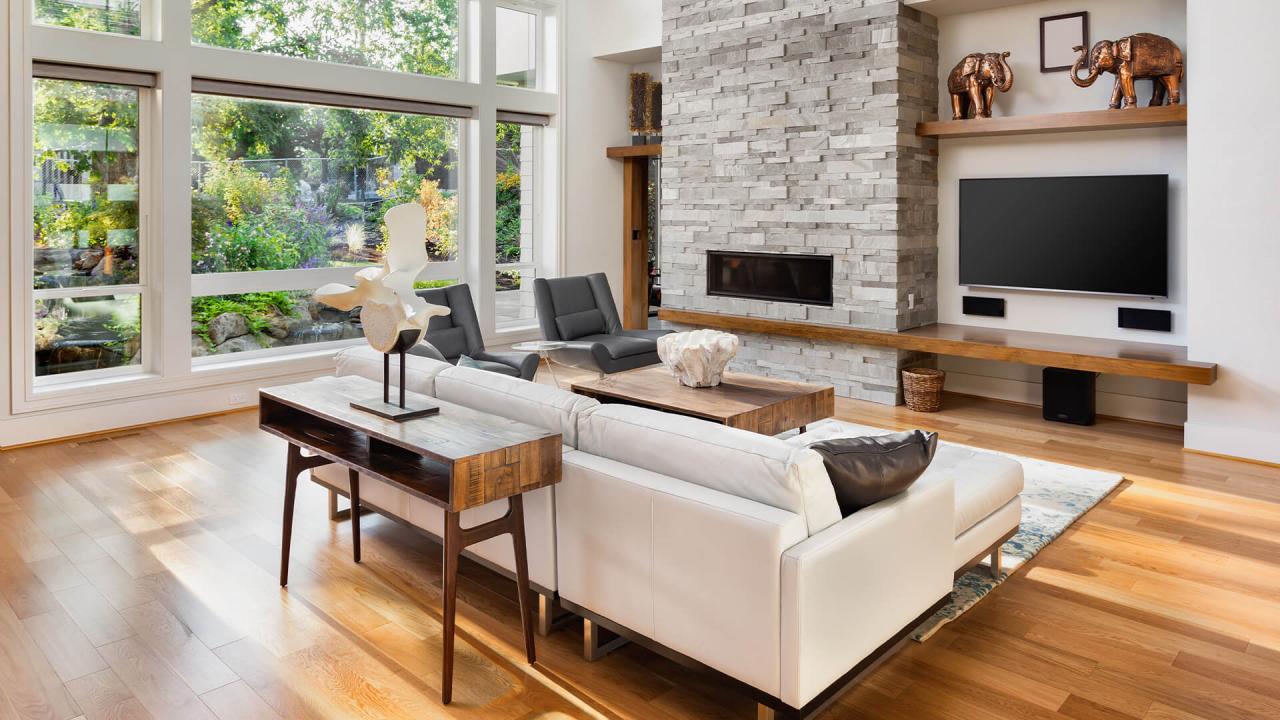
The resurgence of vintage aesthetics can be attributed to several powerful cultural and psychological factors. In an era of mass production and disposable goods, there’s a growing desire for items that have a soul, a history, and a sense of permanence. People are moving away from the sterile, cookie-cutter look of purely modern homes and seeking out spaces that feel lived-in and authentic.
A. The Search for Authenticity: Vintage items are inherently unique. They carry the marks of time and use, which gives them a character that brand-new items simply cannot replicate. This authenticity speaks to a generation that values personal expression and a break from the homogeneity of mainstream design.
B. Nostalgia and Emotional Connection: Vintage objects evoke a sense of nostalgia, a longing for a simpler time. For many, a piece of furniture or a decorative item from a bygone era can trigger fond memories or a feeling of comfort. This emotional connection transforms a house into a home, making the space feel personal and deeply rooted.
C. Sustainability and Conscious Consumption: The vintage revival is also a direct response to a growing awareness of environmental issues. By choosing pre-owned or upcycled vintage pieces, consumers are actively participating in a more sustainable lifestyle. It reduces waste, minimizes the carbon footprint of production, and promotes a circular economy. This eco-conscious approach is not only responsible but also adds a layer of moral satisfaction to the design process.
D. Economic and Accessibility Factors: Acquiring vintage items can often be more cost-effective than buying new, high-end designer furniture. Thrift stores, flea markets, and online marketplaces have made vintage finds more accessible than ever, allowing individuals to create a high-end, curated look on a more modest budget. This democratizes good design and allows for creative, budget-friendly solutions.
Exploring Iconic Vintage Design Eras
To truly embrace the vintage aesthetic, it’s essential to understand the key characteristics of different design eras. Each period has its own unique flair and can serve as a source of inspiration for your home.
A. Mid-Century Modern (1940s-1960s): This era is defined by its clean lines, organic shapes, and a seamless blend of indoor and outdoor living. Think of iconic pieces like the Eames Lounge Chair, tapered legs on furniture, and the use of warm woods like teak and walnut. The color palette often features earthy tones, vibrant pops of color, and geometric patterns. Mid-century modern furniture is both functional and beautiful, making it a popular choice for contemporary homes.
B. Art Deco (1920s-1930s): Characterized by opulence, glamour, and bold geometry, Art Deco is the perfect choice for those who want to make a statement. Look for mirrored surfaces, strong lines, luxurious materials like velvet and brass, and a color scheme of deep jewel tones mixed with metallic accents. This style exudes sophistication and is all about creating a sense of luxury and drama.
C. Bohemian (1960s-1970s): The Bohemian or “Boho” style is a free-spirited aesthetic that celebrates global influences, layered textures, and a relaxed, eclectic vibe. It’s a departure from strict rules, embracing a mix-and-match approach. Key elements include macrame wall hangings, rattan furniture, shag rugs, and an abundance of indoor plants. The color palette is often earthy, with burnt oranges, mustard yellows, and olive greens. Boho design is about creating a comfortable, personal space that feels well-traveled and rich with stories.
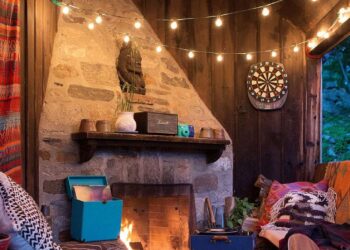
D. Rustic Farmhouse (Late 19th Century to Present): This enduring style is all about warmth, simplicity, and a connection to nature. It features exposed wood beams, reclaimed materials, and a focus on practicality and comfort. The color palette is typically neutral, with whites, creams, and natural wood tones. It is a style that emphasizes imperfection, celebrating the beauty of well-worn, handcrafted items.
E. Scandinavian Modern (1950s-1970s): A close relative of Mid-Century Modern, Scandinavian design prioritizes simplicity, functionality, and a connection to nature. It’s known for its clean lines, light wood tones, and a minimalist aesthetic that creates a sense of calm and order. Key elements include light-colored walls, functional furniture, and the use of natural light.
How to Seamlessly Integrate Vintage into Modern Spaces
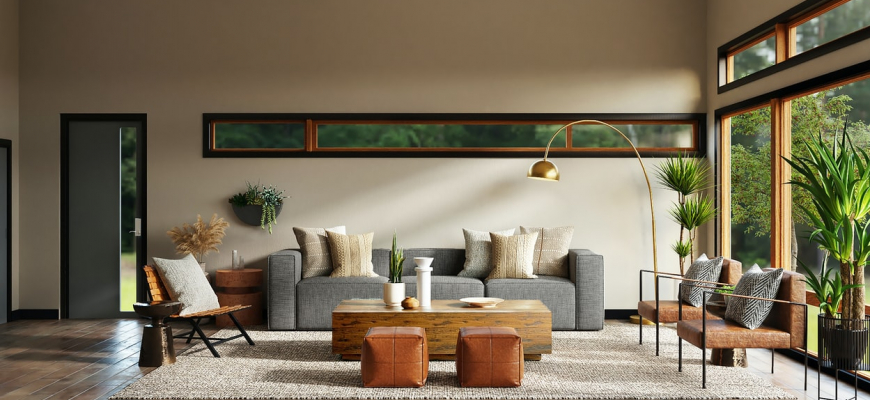
Creating a vintage-inspired home doesn’t mean you have to live in a museum. The key to a successful vintage aesthetic is the artful combination of old and new. Here’s how you can achieve a balanced and harmonious look:
A. Start with a Focal Point: Don’t feel pressured to overhaul your entire space. Begin by introducing one or two standout vintage pieces that will serve as the focal point of the room. This could be a stunning antique buffet in your dining room, a mid-century credenza in your living room, or a vintage velvet armchair in a reading nook.
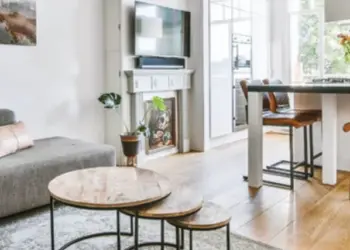
B. Mix Materials and Textures: One of the most effective ways to create a rich, layered look is by combining different materials. Pair a sleek, modern sofa with a distressed wooden coffee table, or juxtapose a clean, glass dining table with mismatched vintage chairs. The contrast creates visual interest and depth.
C. Curate Your Decor: The details matter. Instead of buying new decorative items, hunt for vintage art, mirrors, lamps, and other accessories. These smaller finds can add personality and charm without overwhelming the space. Look for vintage-style pottery, colored glassware, and unique bookends to accessorize your shelves and tables.
D. Embrace Imperfection: Part of the charm of vintage is its history. Don’t be afraid of a little wear and tear—a scuff on a wooden table, a faded spot on a rug, or a patina on a metal lamp. These imperfections tell a story and contribute to the authentic, lived-in feel of your home.
E. Utilize Vintage Textiles: Fabric is a powerful tool for adding a vintage touch. Incorporate antique rugs, tapestries, or throws. You can also re-upholster modern furniture with vintage-inspired fabrics like velvet, damask, or a classic floral pattern to give it a unique, old-world feel.
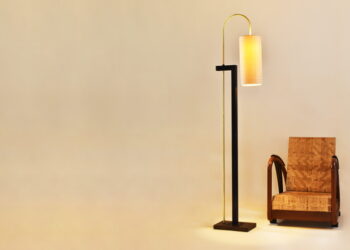
F. Think Beyond Furniture: The vintage aesthetic can be applied to more than just furniture. Consider adding a vintage-inspired wallpaper with a bold floral or geometric pattern. Install a statement light fixture from a specific era, like an Art Deco chandelier or a Sputnik chandelier from the Mid-Century period. These architectural details can transform a space.
G. Personalize Your Space: The most successful vintage-inspired homes are those that reflect the personality of the people who live in them. Let your finds tell your story. Display items from your travels, family heirlooms, and pieces you’ve collected over time. This personal touch is what truly makes a house a home.
H. Create a Dialogue: Ensure that the vintage pieces “speak” to the modern elements in the room. A contemporary artwork hanging above an antique sideboard creates a fascinating dialogue between different eras. This thoughtful placement prevents the space from feeling disjointed and instead makes it feel intentionally designed.
Conclusion
The vintage aesthetic revival is far more than a passing trend; it’s a reflection of our collective desire for authenticity, sustainability, and personal expression. In a world of fleeting digital updates and fast fashion, vintage design offers a tangible connection to the past, a sense of grounding, and a unique way to tell our own stories through the objects we choose to live with.
By thoughtfully curating pieces from different eras—whether it’s the clean lines of Mid-Century Modern, the glamour of Art Deco, or the free-spirited nature of Boho—we can create homes that are not only aesthetically pleasing but also rich in character and soul. The true beauty of this revival lies in its flexibility. It encourages us to be designers of our own spaces, to mix and match, to honor history, and to create something that is truly our own. This trend proves that the most beautiful homes are not those filled with the latest, most expensive furniture, but those that are filled with history, meaning, and a touch of the timeless. As we look towards the future of design, the vintage aesthetic will continue to be a powerful and inspiring force, reminding us that what’s old can always be new again, especially when it is cherished and given new life.