

Investing in modern zero emission urban architecture frameworks, advanced structural decarbonization infrastructure, and sustainable commercial real estate asset models represents an extraordinary high-yield strategic investment opportunity for enterprise property developers, institutional asset managers, and commercial real estate investment syndicates looking to drive long-term capital appreciation while eliminating operational carbon liabilities.
Modern high-density urban developments operate within increasingly strict municipal environmental regulatory frameworks that impose severe financial penalties on carbon-intensive commercial structures while rewarding energy-independent vertical assets with valuable tax credits, accelerated building permits, and premium lease valuations. Transitioning urban architecture toward absolute net-zero emission standards requires moving beyond basic energy conservation measures and implementing an integrated structural performance framework that encompasses dynamic building envelope technologies, on-site clean energy microgrids, closed-loop water treatment systems, and automated indoor environmental controls.
By replacing carbon-heavy construction materials with certified low-embodied structural components and integrating real-time telemetry analytics throughout central building automation networks, commercial real estate developers can drastically reduce recurring utility overhead, shield portfolio balance sheets from fluctuating energy tariffs, and secure top-tier corporate tenants seeking sustainable commercial headquarters.
Modern urban decarbonization platforms leverage continuous building management analytics, predictive mechanical diagnostics, and specialized risk transfer frameworks to verify environmental asset performance across the entire real estate operational lifecycle. Implementing holistic net-zero architectural solutions protects commercial real estate portfolios from early physical obsolescence, lowers primary property insurance deductibles, and ensures complete alignment with evolving international green building benchmarks and local structural compliance mandates.
Furthermore, global institutional capital funds, commercial underwriting syndicates, and private equity real estate trusts actively prioritize zero-emission commercial holdings when deploying equity reserves, making sustainable architectural engineering a vital competitive differentiator in modern global capital markets. Mastering the strategic design and mechanical deployment of net-zero urban building solutions requires a comprehensive operational understanding of building thermodynamics, structural envelope physics, localized micro-climate interactions, and decentralized energy storage distribution infrastructure.
Ultimately, establishing early operational and capital leadership in zero-emission commercial architecture equips your enterprise real estate portfolio with exceptional capital deployment efficiency, superior asset safety, and sustained long-term valuation growth.
A. Advanced Dynamic Building Envelope Decarbonization Systems
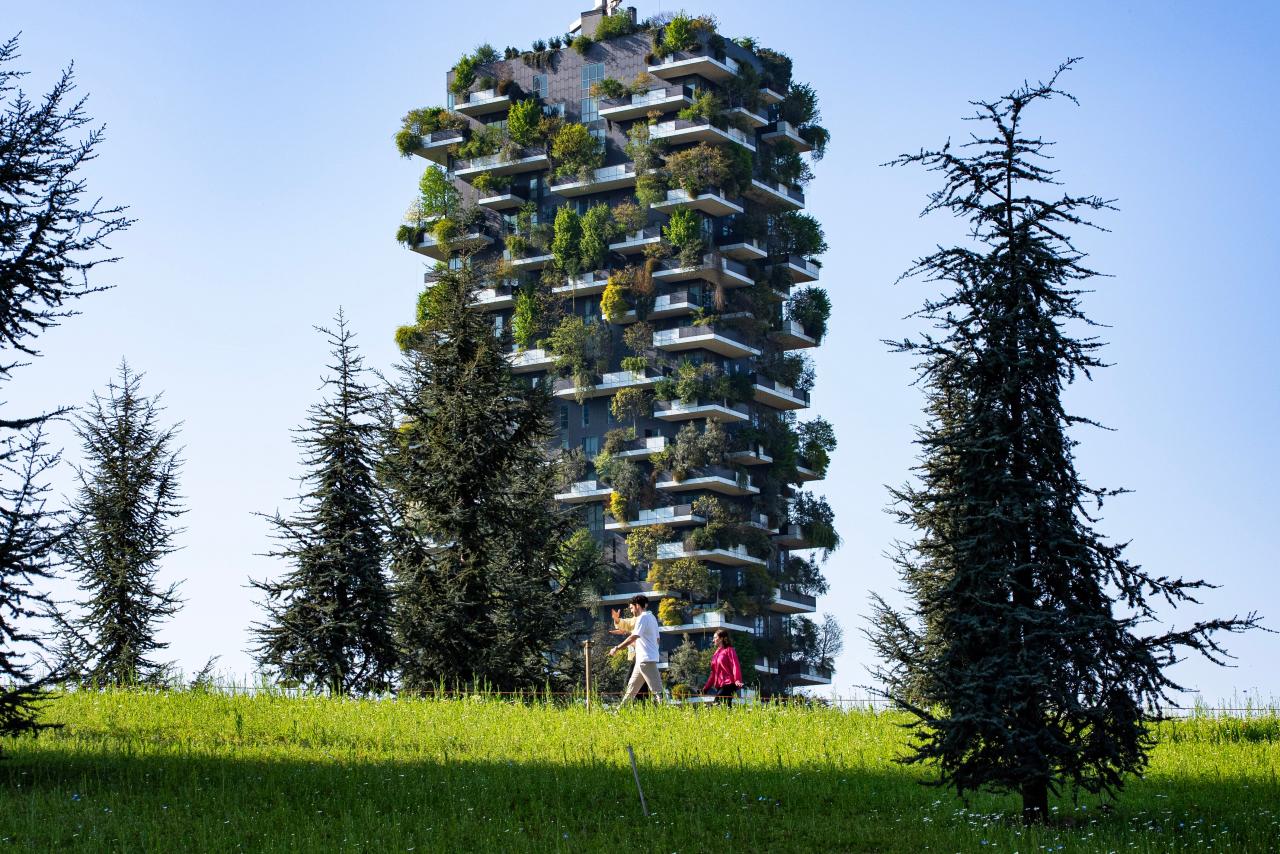
Deploying high-performance dynamic building envelopes provides urban commercial structures with adaptive thermal barriers that dramatically reduce HVAC heating and cooling demands. Modern structural curtain wall assemblies combine vacuum-insulated spandrel panels, triple-glazed electrochromic glass, and thermal break framing to prevent unneeded ambient heat transfer.
Integrating automated dynamic solar shading systems adjusts window glass tint levels continuously based on real-time solar irradiance telemetry. Regulating solar heat gain automatically lowers peak electrical cooling demand during intense summer afternoons while preserving comfortable indoor visual lighting conditions for commercial occupants.
B. On-Site Decentralized Clean Energy Microgrid Architecture
Integrating high-efficiency photovoltaic glass facades, rooftop solar arrays, and vertical micro wind turbines transforms commercial urban building envelopes into active clean power generation hubs. Advanced on-site microgrid networks store excess energy inside high-capacity lithium iron phosphate energy storage systems for continuous power distribution during high-tariff grid hours.
Utilizing intelligent microgrid management software balances internal building power loads dynamically, reducing reliance on fossil-fuel-powered municipal electrical grids. Decentralized on-site power generation guarantees uninterrupted operational continuity for critical commercial tenant data infrastructure during regional electrical utility grid failures.
C. High-Efficiency Subterranean Geothermal Energy Networks
Installing deep closed-loop geothermal heat pump networks utilizes stable subterranean earth temperatures to deliver exceptionally efficient thermal climate control across large urban commercial developments. Subterranean hydronic loops transfer internal building heat into the ground during warm summer months and extract natural thermal warmth during cold winter seasons.
Eliminating fossil-fuel combustion boilers and heavy rooftop cooling towers reduces building operational carbon footprints while eliminating high mechanical replacement costs. High-efficiency geothermal infrastructure slashes daily electrical utility costs, delivering reliable, low-cost climate control across all outdoor weather conditions.
D. Automated Internet Of Things Resource Management Telemetry
Distributing interconnected Internet of Things sensor nodes across commercial office zones enables real-time monitoring of indoor ambient air quality, thermal comfort levels, and localized electrical loads. Intelligent sensor networks transmit continuous operational telemetry to central building automation software engines to adjust fresh air ventilation rates dynamically based on real-time occupant counts.
Automating resource distribution prevents mechanical energy waste across vacant building floors and optimizes variable air volume fan speeds continuously. Granular sensor telemetry provides commercial facility management teams with actionable insights to eliminate operational inefficiencies and extend core mechanical equipment lifespans.
E. Closed-Loop Rainwater Harvesting And Greywater Purification Frameworks
Installing high-capacity rainwater collection systems, subterranean retention tanks, and multi-stage water filtration units captures and purifies urban stormwater run-off efficiently. Recycled greywater from lavatories and cooling condensation lines is treated on-site and redirected to power non-potable sanitation systems and urban green roof irrigation networks.
Implementing closed-loop water management frameworks reduces municipal water utility consumption and municipal sewer discharge volumes significantly. Proactive water conservation infrastructure lowers monthly property operating expenses while shielding commercial assets from severe regional municipal water restriction penalties.
F. High-Performance Dedicated Outdoor Air Systems With Enthalpy Recovery
Equipping commercial mechanical ventilation networks with dedicated outdoor air units and high-efficiency total enthalpy energy recovery wheels pre-conditions incoming outdoor air using energy extracted from exhaust air streams. Enthalpy wheels transfer sensible thermal energy and latent moisture between incoming and outgoing air currents without mixing physical air streams.
Pre-conditioning outdoor ventilation air reduces the thermal workload placed on central mechanical heating and cooling coils during extreme summer and winter months. Delivering continuous filtered fresh air maintains high indoor environmental quality standards while keeping total mechanical power consumption remarkably low.
G. Low-Embodied Carbon Material Integration And Circular Construction
Selecting cross-laminated mass timber, recycled structural steel alloys, and geopolymer concrete mixtures dramatically reduces initial embodied carbon footprints across urban commercial developments. Structural engineering teams utilize detailed life-cycle assessment software tools to calculate the environmental impact of raw building materials from extraction to final site assembly.
Prioritizing circular building assemblies allows structural components to be disassembled cleanly and repurposed into secondary development projects at the end of building lifecycles. Minimizing initial manufacturing carbon emissions preserves long-term asset value and ensures full compliance with strict municipal embodied carbon regulations.
H. Centralized Real-Time Energy Performance Auditing Dashboards
Equipping corporate real estate asset managers with cloud-based energy performance dashboards provides total operational visibility into floor-by-floor power usage, water consumption, and carbon emission metrics. Real-time data visualization software highlights energy consumption drift anomalies, mechanical equipment inefficiencies, and operational power waste patterns across global property portfolios.
Executing continuous digital energy audits verifies ongoing compliance with international green building certification benchmarks and municipal energy efficiency targets. Demonstrating verified long-term operational cost reductions increases institutional asset marketability, enabling property owners to secure premium corporate tenant lease rates.
I. Strategic Commercial Green Lease Agreement Risk Transfer Frameworks
Drafting clear, equitable commercial green lease contracts ensures that capital investment expenditures for net-zero energy retrofits are shared transparently between building owners and commercial tenants. Structuring lease terms to align financial incentives encourages corporate tenants to adopt active energy conservation habits and participate in building-wide sustainability initiatives.
Transparent green lease language eliminates financial friction and establishes joint operational accountability for achieving verified net-zero energy benchmarks. Shared savings frameworks allow commercial real estate developers to recover capital investments faster while providing corporate tenants with significantly lower overall operational occupancy expenses.
J. Dynamic Smart Grid Interoperability And Demand Response Automation
Connecting commercial building management engines directly with regional utility smart grids allows urban commercial properties to participate in automated electrical demand response programs actively. During peak grid stress periods, automated building automation software sheds non-essential electrical loads by adjusting setpoint temperatures and dimming ambient architectural lighting arrays.
Participating in automated demand response programs generates substantial financial incentive credits and rebates from regional utility providers. Smart grid interoperability transforms commercial real estate assets into dynamic grid stabilization resources, enhancing overall regional electrical network stability while maximizing property financial yields.
Conclusion
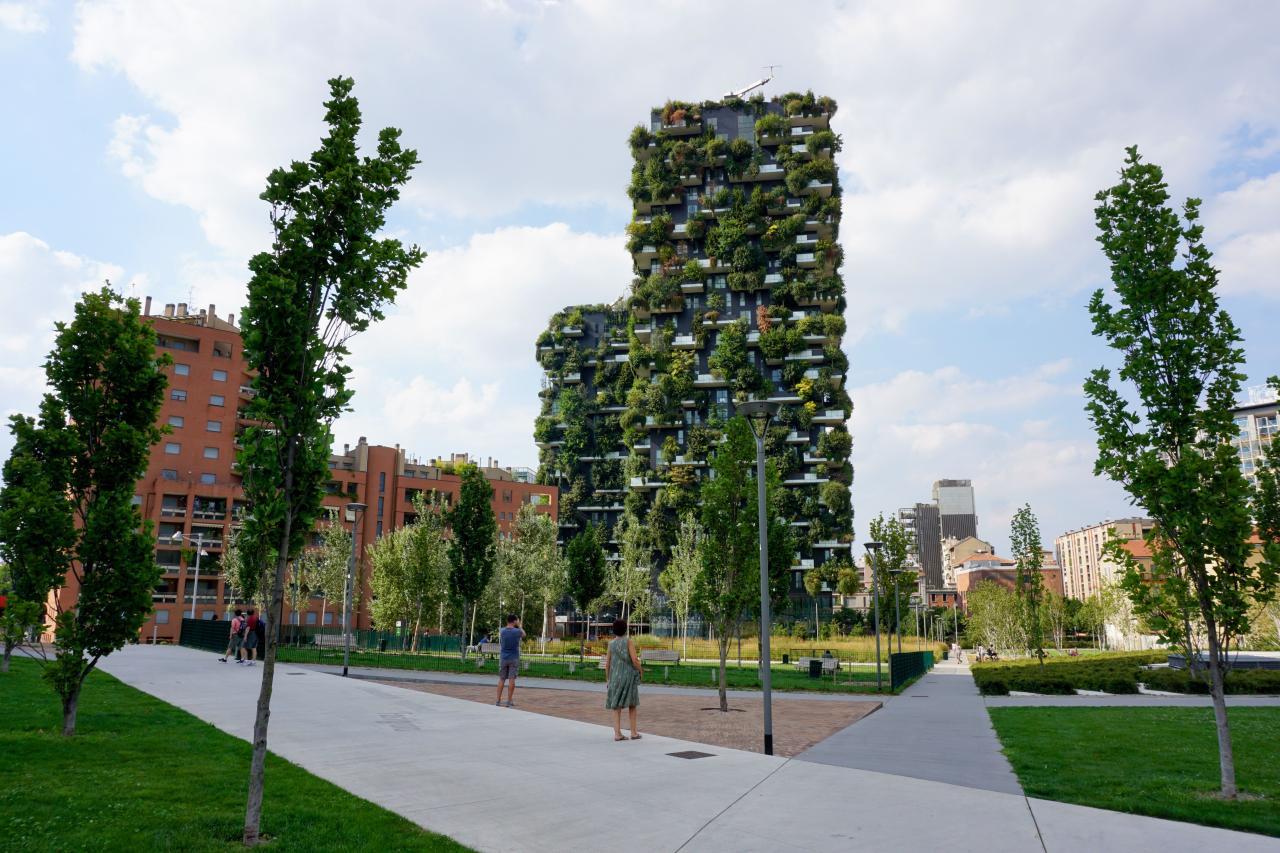
In conclusion, deploying zero emission urban architecture solutions optimizes operational performance and preserves long-term commercial real estate asset value. Installing dynamic building envelopes regulates solar heat gain automatically to lower primary mechanical cooling demands. Integrating decentralized clean energy microgrid systems transforms building facades into active power hubs that enhance operational self-sufficiency.
Deploying high-efficiency geothermal heat pump networks delivers stable ground-source climate control without consuming fossil fuels. Utilizing Internet of Things sensor arrays automates resource distribution dynamically based on real-time room occupancy metrics.
Implementing closed-loop rainwater harvesting systems lowers municipal water dependency and reduces monthly utility expenditures significantly. Deploying dedicated outdoor air systems with enthalpy recovery wheels pre-conditions fresh outdoor ventilation air to maintain mechanical efficiency. Selecting low-embodied carbon structural materials slashes initial construction emissions and supports sustainable circular building supply chains.
Equipping management teams with centralized energy auditing dashboards provides operational visibility to guarantee continuous regulatory compliance. Structuring transparent commercial green lease contracts aligns financial incentives between building owners and corporate tenants. Connecting building management systems with regional utility smart grids generates financial rebate credits through automated demand response participation.