

Transitioning commercial real estate developments toward total carbon neutrality represents one of the most transformative capital optimization imperatives facing modern real estate developers, institutional asset managers, and corporate property investors today. Commercial structures account for a massive percentage of global energy consumption and greenhouse gas emissions through both operational power usage and embodied carbon embedded within foundational construction materials like concrete, steel, and glass.
Achieving genuine carbon neutrality within modern commercial architecture requires moving far beyond superficial sustainability claims and deploying a rigorous, end-to-end decarbonization framework that spans initial site analysis, low-carbon material selection, dynamic energy harvesting, and continuous automated building operational monitoring. By integrating advanced sustainable architectural solutions, enterprise real estate firms can drastically reduce daily operational expenditures, shield asset values against escalating carbon compliance taxes, and secure top-tier corporate tenants committed to strict environmental standards.
Modern green architecture frameworks leverage real-time building performance analytics, closed-loop resource systems, and predictive climate automation tools to ensure every single structural component operates with maximum energy efficiency and minimal environmental impact. Deploying holistic decarbonization protocols transforms commercial properties from heavy carbon emitters into self-sustaining, resilient financial assets capable of generating clean power on-site and retaining superior market value over extended holding periods.
Furthermore, institutional financial markets, private equity funds, and global real estate investment trusts increasingly restrict equity allocation to green-certified vertical holdings, making sustainable architectural engineering a fundamental requirement for securing favorable debt financing and capital investment.
Mastering the strategic integration of carbon-neutral commercial building solutions requires deep operational mastery of life-cycle assessment frameworks, circular building materials, passive thermodynamic design principles, and automated renewable energy microgrid systems. Ultimately, establishing institutional leadership in eco-friendly commercial architecture arms your real estate enterprise with exceptional capital efficiency, bulletproof regulatory compliance, and sustained competitive advantage in global property markets.
A. Low-Embodied Carbon Material Selection And Circular Construction Protocols
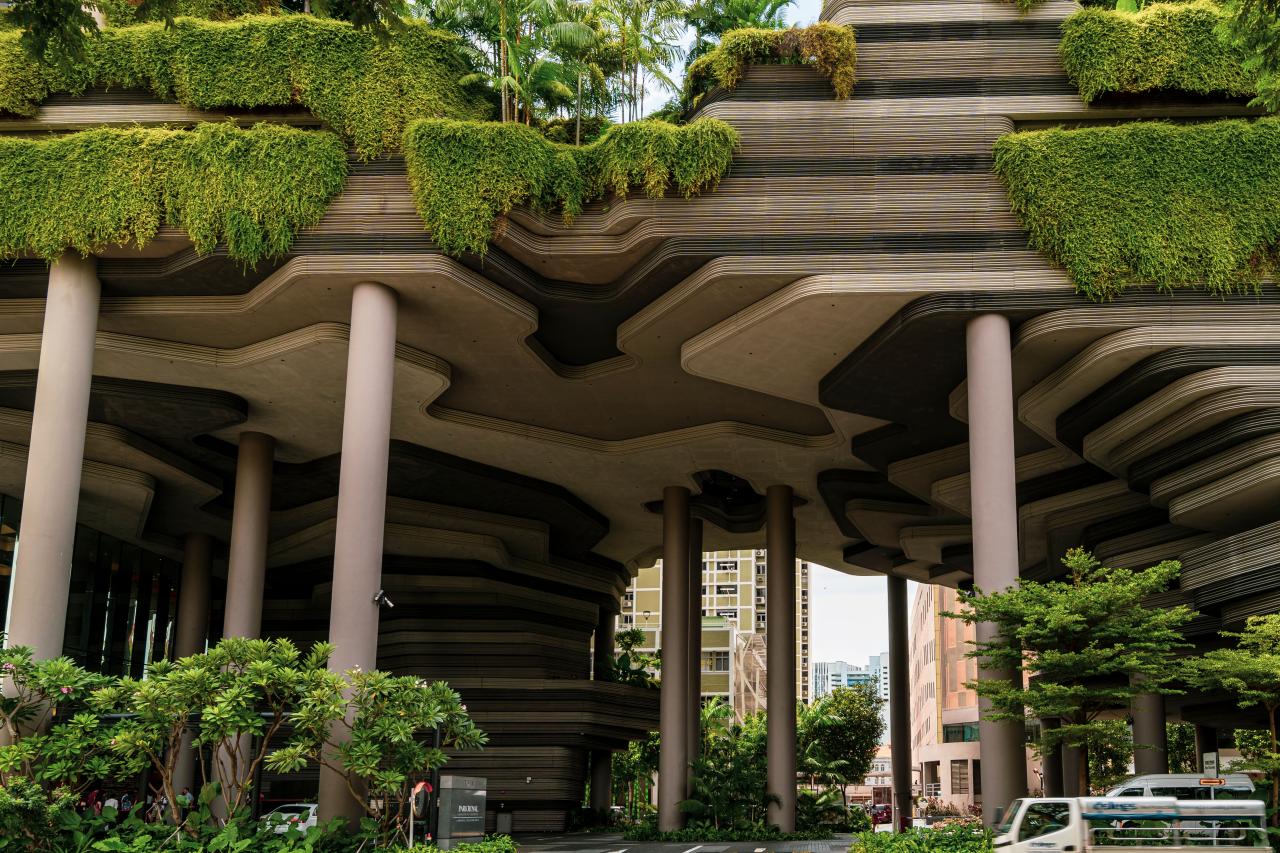
Replacing traditional high-carbon building materials with cross-laminated timber, recycled structural steel, and geopolymer concrete significantly reduces initial embodied carbon footprints. Structural engineering teams utilize life-cycle assessment software to evaluate the environmental impact of raw materials from initial extraction to final building installation.
Prioritizing locally sourced and rapidly renewable materials compresses transport emissions while supporting regional circular supply chains. Designing building assemblies for future deconstruction allows structural components to be repurposed cleanly at the end of the building lifecycle, eliminating landfill waste.
B. Passive Solar Design Strategies And Dynamic Thermodynamic Envelopes
Orienting commercial building massing to optimize natural sunlight exposure reduces daytime artificial lighting and thermal heating reliance naturally. Dynamic thermodynamic facades adjust window tint levels automatically based on direct solar radiation intensity, blocking excessive radiant heat gain during peak summer hours.
Integrating high-performance double-skin curtain walls creates a controlled thermal buffer zone that stabilizes internal building temperatures throughout changing seasons. Passive solar design principles minimize total mechanical HVAC heating and cooling loads, driving down long-term building utility expenditures dramatically.
C. High-Efficiency Geothermal Heating And Cooling Infrastructure
Installing closed-loop geothermal heat pump networks taps into stable subterranean temperatures to deliver highly efficient climate control across commercial properties. Geothermal loops transfer excess building heat into the earth during warm summer months and extract natural ground warmth during cold winter periods seamlessly.
Utilizing ground-source thermal energy eliminates the need for energy-intensive rooftop chillers and fossil fuel combustion boilers completely. High-efficiency geothermal infrastructure slashes daily operational power consumption, providing steady, low-cost heating and cooling performance across all weather conditions.
D. Advanced On-Site Renewable Energy Microgrid Networks
Integrating high-efficiency photovoltaic glass panels, rooftop solar arrays, and micro wind turbines transforms commercial building envelopes into active clean power generation hubs. On-site renewable energy microgrids store excess electricity in high-capacity lithium iron phosphate battery banks for rapid deployment during peak demand hours.
Deploying intelligent microgrid management software balances internal energy supply and demand dynamically, reducing baseline power draws from local electrical grids. On-site clean power generation guarantees operational continuity during regional power grid outages, protecting tenant data infrastructure and critical commercial activities.
E. Automated Internet Of Things Resource Optimization Telemetry
Distributing interconnected Internet of Things sensor nodes throughout commercial building zones enables real-time tracking of indoor air quality, thermal comfort, and localized power consumption. Smart sensor networks transmit continuous operational telemetry to centralized building automation engines to adjust ventilation rates dynamically based on real-time room occupancy.
Automating resource distribution prevents energy waste across vacant office floors and optimizes variable airflow mechanical systems continuously. Granular sensor telemetry provides facility management teams with actionable insights to eliminate operational inefficiencies and prolong core mechanical equipment operational lifespans.
F. Closed-Loop Rainwater Harvesting And Greywater Recycling Frameworks
Installing high-capacity rainwater collection systems, subterranean storage cisterns, and advanced multi-stage water filtration units captures and purifies stormwater run-off efficiently. Recycled greywater from sinks and cooling tower condensation is treated on-site and redirected to power non-potable sanitation systems and automated landscape irrigation lines.
Implementing closed-loop water management frameworks reduces municipal water consumption and municipal sewage discharge volumes significantly. Proactive water conservation measures lower utility operational overhead while protecting commercial properties from severe regional water restriction penalties.
G. Dedicated Outdoor Air Systems With High-Performance Heat Recovery
Equipping commercial HVAC infrastructure with dedicated outdoor air units and total enthalpy energy recovery wheels pre-conditions incoming fresh air using energy extracted from exhaust air streams. Energy recovery wheels transfer both sensible thermal energy and latent moisture between air currents without allowing physical air streams to mix.
Pre-conditioning incoming ventilation air reduces the thermal workload placed on central heating and cooling coils substantially during extreme atmospheric conditions. Providing continuous filtered outdoor air maintains exceptional indoor environmental quality standards while keeping mechanical energy consumption remarkably low.
H. Comprehensive Building Life-Cycle Carbon Analytics Dashboards
Equipping corporate real estate executives with cloud-based life-cycle carbon tracking software provides complete operational visibility into embodied and operational carbon metrics. Real-time data dashboards consolidate energy consumption feeds, material supply chain logs, and waste output metrics into standardized carbon accounting reports.
Continuous carbon analytics allow facility managers to identify carbon emission spikes quickly and execute targeted operational corrections across property portfolios. Comprehensive carbon reporting verifies compliance with international green building certification standards, attracting premium corporate tenants committed to corporate sustainability targets.
I. Strategic Lease Agreement Green Clause Allocation Frameworks
Drafting clear, equitable commercial green lease contracts ensures that capital investment costs for energy efficiency upgrades are shared transparently between property owners and commercial tenants. Structuring lease terms to align financial incentives encourages tenants to adopt energy conservation habits and participate in site-wide waste reduction initiatives.
Transparent green lease language eliminates financial friction and establishes joint accountability for achieving verified building sustainability benchmarks. Shared savings frameworks allow real estate developers to recover capital expenditure investments faster while providing tenants with lower overall operating expenses.
J. Dynamic Smart Grid Interoperability And Demand Response Protocols
Connecting commercial building management systems directly with regional utility smart grids allows commercial properties to participate in automated demand response programs actively. During peak grid stress events, automated building management systems shed non-essential electrical loads automatically by adjusting setpoint temperatures and dimming ambient lighting networks.
Participating in smart grid demand response programs generates substantial financial incentive credits and rebates from utility providers. Smart grid interoperability positions commercial assets as dynamic grid stabilization resources, enhancing overall regional energy network resilience while optimizing asset financial yields.
Conclusion
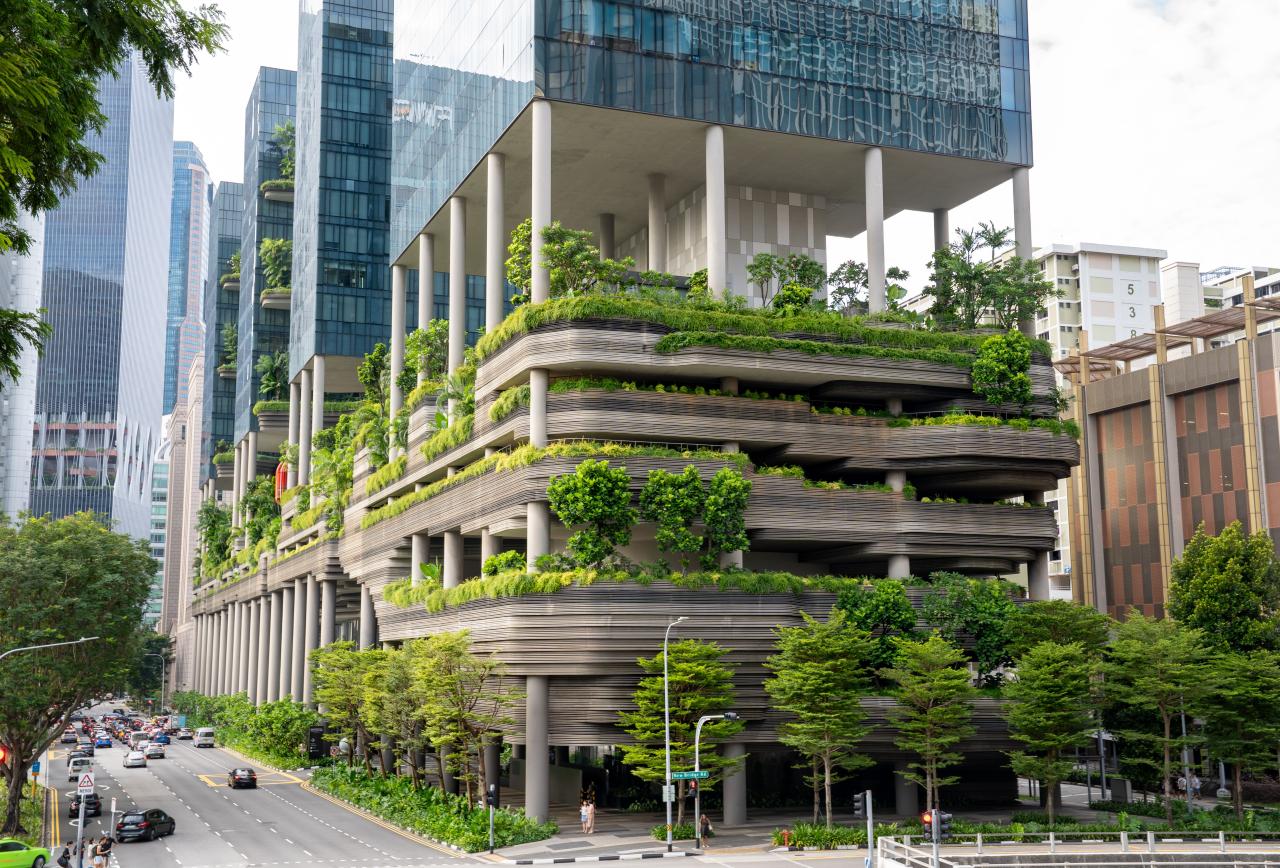
In conclusion, implementing eco-friendly commercial architecture carbon neutrality solutions optimizes operational performance and preserves long-term asset value. Selecting low-embodied carbon structural materials slashes initial construction emissions and supports sustainable circular building supply chains. Deploying passive solar design principles minimizes mechanical climate control reliance to lower daily operational utility expenditures naturally.
Installing high-efficiency geothermal heat pump networks delivers stable ground-source climate control without consuming fossil fuels. Integrating on-site renewable energy microgrid systems transforms building facades into active power hubs that enhance energy independence.
Utilizing Internet of Things sensor arrays automates resource distribution dynamically based on real-time room occupancy levels. Implementing closed-loop rainwater harvesting systems reduces municipal water dependency and lowers utility operational overhead significantly.
Deploying dedicated outdoor air systems with energy recovery wheels pre-conditions fresh ventilation air to maintain high mechanical efficiency. Equipping management with life-cycle carbon tracking dashboards provides clear operational visibility to ensure continuous regulatory compliance.
Structuring transparent commercial green lease contracts aligns financial incentives between building owners and tenants to accelerate sustainability goals. Connecting building management systems with regional utility smart grids generates financial rebate credits through automated demand response participation.