

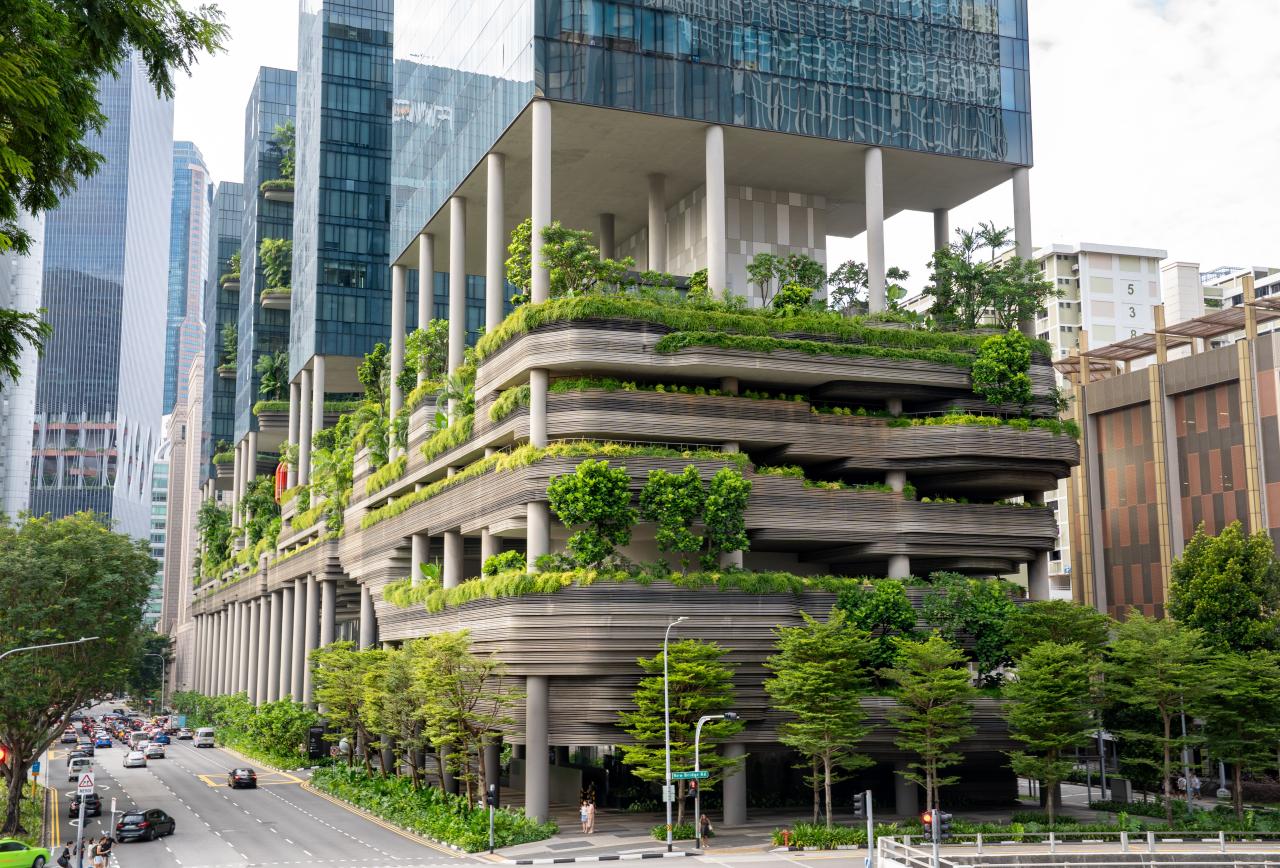
Implementing comprehensive energy efficiency frameworks across high-rise architectural assets represents an extraordinarily lucrative capital optimization strategy for enterprise property developers, institutional asset managers, and commercial real estate investors seeking to compress operational overhead while driving asset values higher. Modern high-rise structures operate as complex thermodynamic systems where heating, cooling, structural ventilation, electrical distribution, and vertical transportation networks consume massive amounts of power every single day.
Achieving true energy efficiency within high-density vertical architecture requires moving past superficial design modifications and establishing an integrated building performance model that addresses heat gain, atmospheric pressure changes, structural thermal bridging, and dynamic occupant energy demand in real time. Deploying advanced building envelope technologies, dynamic glass assemblies, smart HVAC automation systems, and high-efficiency mechanical infrastructure allows commercial real estate firms to lower power consumption drastically without compromising tenant comfort or structural utility.
Modern green building frameworks replace static engineering models with dynamic data analytics, sensor telemetry networks, and continuous building management diagnostics to ensure every kilowatt of power is utilized with absolute precision. Implementing strategic energy efficiency measures insulates institutional balance sheets from escalating utility tariffs, reduces carbon emissions liabilities, and ensures total compliance with evolving international green building standards and municipal environmental regulations.
Furthermore, retrofitting existing skyscrapers and engineering new vertical developments with high-performance energy infrastructure significantly enhances tenant retention rates, commands premium lease prices, and elevates overall commercial property market valuation metrics. Global financial institutions, corporate investment trusts, and commercial underwriting syndicates prioritize green-certified vertical assets when deploying real estate equity, making sustainable architectural engineering a core competitive differentiator in modern capital markets.
Mastering the strategic design and mechanical implementation of skyscraper energy efficiency platforms requires a deep operational understanding of building physics, thermodynamic envelope modeling, localized micro-climate interactions, and automated resource distribution infrastructure. Ultimately, establishing institutional leadership in high-rise energy efficiency empowers enterprise real estate groups to achieve superior financial performance, operational resilience, and long-term capital appreciation.
A. Dynamic High-Performance Building Envelope Engineering
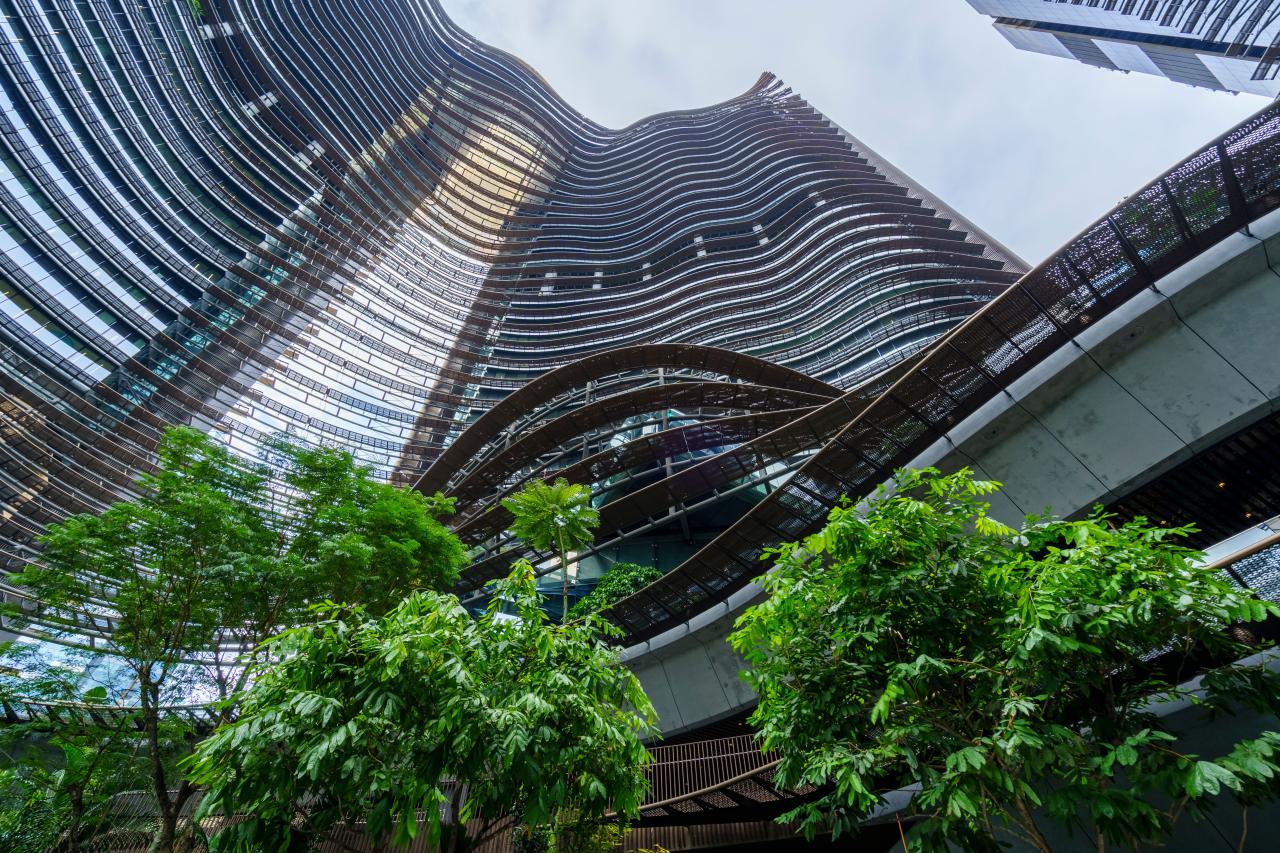
Engineering advanced high-performance building envelopes equips high-rise structures with dynamic thermal barriers that dramatically reduce HVAC heating and cooling loads. Modern curtain wall assemblies utilize multi-pane low-emissivity glass, vacuum insulation panels, and thermal break framing to prevent unwanted solar heat gain and thermal bridging.
Deploying double-skin facade systems creates a controllable buffer zone between interior spaces and exterior atmospheric conditions to regulate building temperature naturally. Integrating automated solar shading louvers dynamically tracks solar angles throughout the day, preventing internal heat buildup and lowering peak electrical demand.
B. Automated Internet Of Things HVAC Telemetry Optimization
Integrating interconnected Internet of Things sensor arrays throughout high-rise HVAC networks enables real-time monitoring of air distribution pressures, refrigerant flow rates, and ambient indoor air quality metrics. Dynamic sensor networks transmit continuous environmental data to central automation engines, adjusting fan speeds and chiller outputs instantly based on occupancy levels.
Automating climate control management eliminates unnecessary power consumption across unoccupied building zones and optimizes variable refrigerant flow systems. Precise HVAC telemetry optimization lowers daily utility expenditures, prevents mechanical equipment fatigue, and extends expensive compressor operational lifespans significantly.
C. High-Efficiency Chilled Water Plant Optimization Protocols
Upgrading central chilled water plants with variable-speed magnetic bearing chillers, high-efficiency cooling towers, and automated hydronic balancing valves optimizes thermal energy distribution across massive vertical distances. Advanced thermal energy storage systems produce and store chilled water during off-peak night hours when electricity rates are substantially lower.
Discharging stored thermal energy during peak afternoon hours reduces expensive utility demand charges and stabilizes high-rise operational power expenditures. Modern hydronic pumping systems utilize intelligent pressure transducers to deliver precise water flow rates to higher building floors with minimal electrical resistance.
D. Advanced Vertical Transportation Power Regeneration Networks
Installing direct-drive gearless traction elevators equipped with regenerative power drives captures kinetic energy generated during elevator acceleration and deceleration phases. Regenerative elevator systems convert wasted mechanical motion directly into usable electrical power, feeding electricity back into the building power grid seamlessly.
Deploying destination dispatch control algorithms optimizes elevator car routing patterns to reduce motor start-up cycles and total passenger wait times drastically. Combining energy-regenerative drives with smart dispatch software reduces total vertical transportation energy consumption across commercial skyscrapers by significant margins.
E. Intelligent Building Automation Systems And Predictive Analytics
Connecting central building management systems with cloud analytics platforms provides real-time visibility into electrical power consumption, mechanical efficiency ratios, and thermal performance metrics. Machine learning algorithms process historical weather patterns, tenant occupancy schedules, and utility tariff structures to forecast energy demand accurately.
Predictive analytics tools pre-cool or pre-heat specific high-rise building zones automatically ahead of extreme weather events or occupancy spikes. Streamlining building automation management prevents sudden power demand surges, ensuring optimal energy performance while protecting delicate electrical grid infrastructure.
F. High-Output Photovoltaic Curtain Wall Integration Solutions
Integrating building-integrated photovoltaic panels directly into vertical curtain wall assemblies, spandrel glass sections, and rooftop structures turns building facades into active power generators. Modern thin-film solar technology captures ambient sunlight across vertical surfaces efficiently, converting solar radiation directly into clean electrical energy.
Generating renewable power on-site offsets baseline electrical demand from local utility grids and lowers total building operational carbon footprints. On-site solar generation infrastructure increases commercial asset self-sufficiency and provides critical emergency power backup during external electrical utility grid failures.
G. High-Performance LED Lighting And Daylight Harvesting Controls
Replacing legacy fluorescent lighting with high-efficiency LED fixtures controlled by automated daylight harvesting sensors minimizes internal electrical lighting loads continuously. Photosensors detect incoming natural light near perimeter window zones, dimming artificial LED fixtures automatically to maintain constant indoor illumination levels.
Integrating occupancy sensors across conference rooms, restrooms, and service corridors ensures lighting systems operate exclusively when human presence is detected. Minimizing artificial lighting usage reduces internal sensible heat loads, which simultaneously decreases secondary cooling demands placed on central HVAC units.
H. Decentralized Dedicated Outdoor Air Systems And Heat Recovery
Deploying dedicated outdoor air systems equipped with air-to-air energy recovery ventilators conditions incoming fresh air using heat extracted from exhaust air streams. Enthalpy wheels transfer both sensible heat and latent moisture between incoming and outgoing air currents without mixing the physical air streams.
Pre-conditioning ventilation air reduces the thermal load placed on primary HVAC heating and cooling coils during extreme summer and winter seasons. Providing continuous fresh, filtered outdoor air improves indoor environment quality while maintaining exceptionally high mechanical energy efficiency standards.
I. Comprehensive Structural Thermal Mass Management Strategies
Utilizing heavy structural concrete floors, insulated core walls, and phase-change building materials enhances the intrinsic thermal mass capacity of high-rise structures. High-density structural materials absorb excess interior heat during warm daytime hours and release thermal energy gradually during cooler evening periods.
Managing structural thermal mass stabilizes interior ambient temperatures naturally, reducing the frequency of rapid HVAC cycling and peak cooling demand spikes. Integrating thermal mass optimization into initial architectural designs lowers long-term mechanical equipment sizing requirements and initial capital construction costs.
J. Enterprise Energy Performance Monitoring And Auditing Dashboards
Equipping corporate facility managers with centralized digital energy dashboards provides complete visibility into floor-by-floor power consumption, water usage, and carbon output metrics. Real-time data visualization tools highlight energy drift anomalies, mechanical system inefficiencies, and operational waste patterns across complex property portfolios.
Conducting routine digital energy audits ensures ongoing compliance with international green building certification standards and regional energy performance mandates. Demonstrating verified long-term energy savings increases institutional asset appeal, attracting high-value corporate tenants willing to pay premium lease rates.
Conclusion
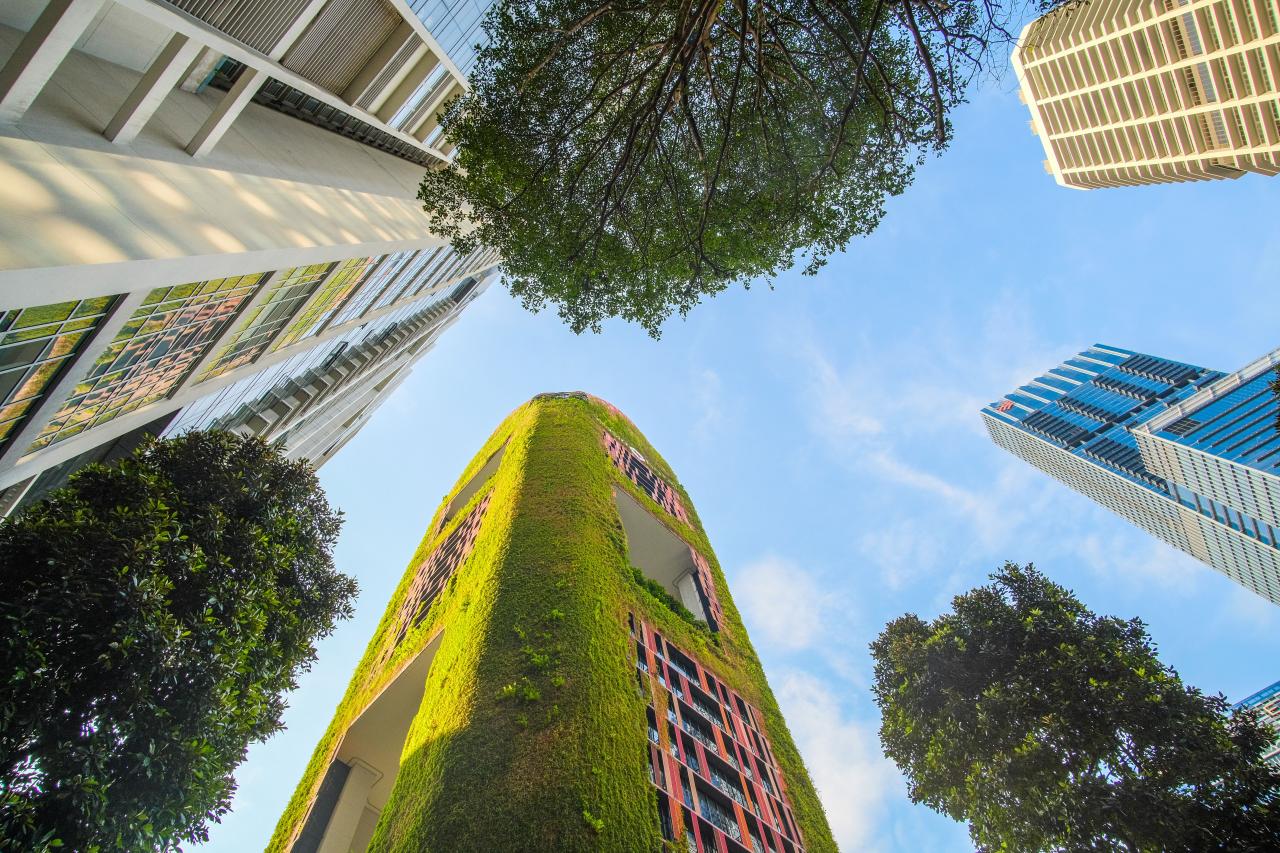
In conclusion, implementing sustainable high-rise building energy efficiency solutions optimizes long-term operational performance and drives asset valuations higher. Deploying dynamic high-performance building envelopes prevents unwanted solar heat gain and reduces primary HVAC thermal loads significantly. Integrating Internet of Things sensor arrays automates climate control parameters to eliminate unnecessary energy waste across unoccupied building zones.
Upgrading central chilled water plants with thermal storage infrastructure reduces peak electricity demand charges during expensive operating hours. Installing regenerative elevator power drives converts kinetic mechanical energy into usable electricity to power internal building systems.
Connecting predictive analytics platforms with building automation systems optimizes climate control operations based on real-time weather forecasting. Integrating building-integrated photovoltaic technology into vertical curtain walls transforms exterior building facades into active renewable power generators.
Deploying daylight harvesting sensors adjusts artificial indoor lighting levels automatically to lower daily electrical power usage. Utilizing dedicated outdoor air systems with heat recovery wheels pre-conditions incoming fresh air to lower mechanical heating and cooling expenditures.
Managing structural thermal mass capacity stabilizes indoor temperatures naturally to minimize mechanical equipment sizing requirements and operational stress. Equipping facility managers with digital energy auditing dashboards verifies continuous operational efficiency to maximize institutional commercial asset value.