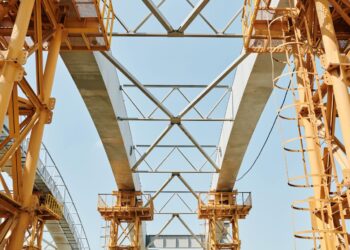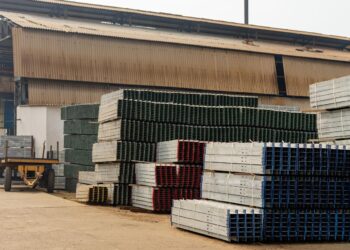


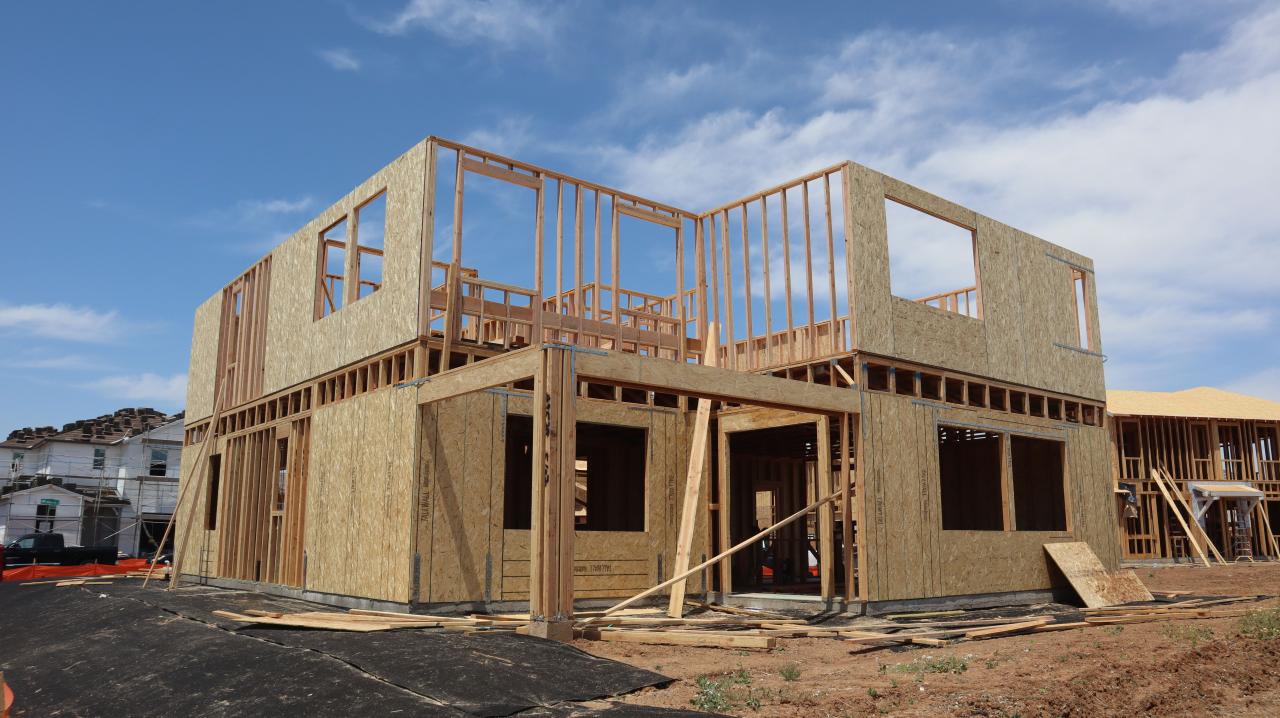
Deploying high-yield modular prefabricated construction capital strategies represents an extraordinarily lucrative real estate investment framework for institutional asset developers, commercial real estate private equity funds, and enterprise construction syndicates seeking to maximize capital efficiency while accelerating project completion timelines. Modern commercial real estate markets demand rapid project execution, stringent quality assurance, and strict operational cost management that traditional stick-built field assembly simply cannot deliver consistently.
Off-site modular manufacturing completely transforms conventional building dynamics by shifting structural fabrication, utility integration, and interior finishes into controlled factory environments where automated machinery, precision structural engineering, and standardized quality control protocols operate continuously. Implementing advanced modular construction capital strategies allows institutional property developers to compress total construction schedules dramatically, eliminating severe weather delays, reducing field labor overhead, and lowering primary financing costs through reduced interest accrual periods. Modern prefabricated structural engineering replaces inefficient on-site building practices with dynamic off-site manufacturing models, enabling simultaneous foundational site preparation and structural module assembly.
Deploying holistic modular capital frameworks insulates institutional balance sheets from escalating raw material price volatility, minimizes field safety liabilities, and ensures total compliance with evolving international structural engineering standards and municipal building codes. Furthermore, modular real estate assets achieve exceptionally uniform structural performance metrics, resulting in superior thermal insulation performance, enhanced structural durability, and lower ongoing operational maintenance expenditures.
Global financial underwriters, private equity real estate funds, and commercial lending institutions prioritize precision-engineered modular developments when deploying equity reserves, making off-site structural manufacturing a core competitive differentiator in modern capital deployment operations. Mastering the strategic allocation and financial execution of modular prefabricated capital frameworks requires a deep operational understanding of industrial supply chains, structural transport logistics, heavy crane rigging mechanics, and automated factory production workflows.
Ultimately, establishing institutional technology leadership in modular prefabricated real estate development arms your enterprise property group with exceptional capital efficiency, bulletproof risk mitigation, and sustained competitive financial yield growth.
A. Industrialized Factory Structural Assembly And Precision Quality Assurance
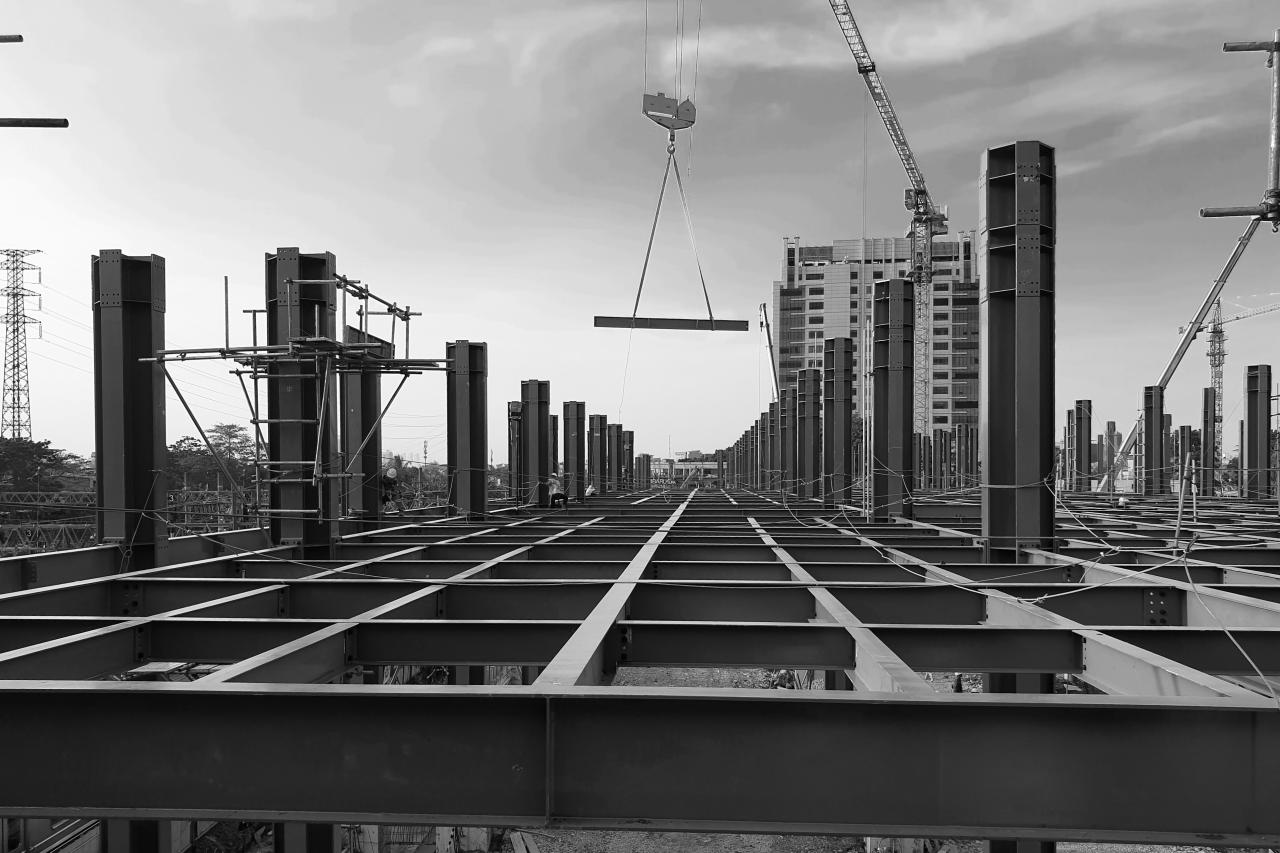
Shifting primary structural fabrication from field job sites into controlled factory settings eliminates unpredictable atmospheric weather delays and environmental material degradation. Automated robotics and computer-numerical-control assembly machinery fabricate steel frames and mass timber panels with sub-millimeter structural precision.
Centralized factory quality assurance protocols enforce strict material inspections at every stage of the off-site assembly process. Industrialized manufacturing controls guarantee consistent structural integrity, superior thermal performance, and exact alignment across all prefabricated building modules.
B. Simultaneous Site Infrastructure Development And Off Site Module Production
Executing foundational civil engineering site works simultaneously with off-site module manufacturing compresses overall commercial development schedules by substantial margins. While site utility contractors excavate foundations and pour concrete subterranean basements, off-site factories fabricate complete structural building units concurrently.
Streamlining parallel development workflows reduces total project delivery timelines drastically, allowing commercial real estate operators to achieve earlier tenant occupancy. Accelerating building completion dates generates immediate rental cash flows and reduces accumulated construction loan interest expenses significantly.
C. Automated Digital Supply Chain Tracking And Procurement Logistics
Integrating advanced digital supply chain logistics platforms provides complete operational visibility into raw material inventories, factory production schedules, and module transit vectors. Automated logistics tracking systems coordinate the precise delivery sequencing of completed structural modules from factory floors directly to urban job sites.
Synchronizing transport logistics with site installation schedules eliminates expensive staging yard rental fees and urban traffic congestion penalties. Precision supply chain management minimizes material storage damage, reduces inventory carrying costs, and maintains continuous, uninterrupted field assembly operations.
D. Advanced Structural Transport Mechanics And Urban Rigging Protocols
Engineering specialized heavy transport trailers and high-capacity mobile crane rigging systems ensures safe transit and vertical positioning of massive structural modules. Structural engineers calculate dynamic wind loads, center-of-gravity shifts, and crane boom deflection factors to execute precise vertical module placement.
Deploying specialized rigging infrastructure prevents structural module twisting or localized stress fracturing during critical heavy hoisting maneuvers. Efficient site rigging protocols enable field assembly teams to stack and secure multiple fully finished building modules per working day safely.
E. Standardized Inter-Module Mechanical Electrical Plumbing Integration
Utilizing pre-engineered utility connection points, flexible hydronic couplings, and modular electrical quick-connect harnesses simplifies inter-module MEP joining procedures. Factory-installed utility risers align perfectly across stacked modules, allowing field mechanical teams to join core building systems rapidly.
Standardizing utility connections minimizes field trade labor costs and eliminates time-consuming manual conduit and pipe threading operations on job sites. Streamlining mechanical inter-module integration reduces field trade conflicts, prevents installation errors, and accelerates final building commission approval timelines.
F. Advanced Volumetric Structural Acoustic Isolation Engineering
Integrating specialized elastomeric damping pads, structural acoustic isolation strips, and double-wall perimeter assemblies between stacked modules eliminates vertical and horizontal acoustic transmission. Off-site modular construction naturally creates double-layer structural walls and floor-ceiling assemblies that act as highly effective sound barriers.
Engineering sound isolation joints prevents airborne noise leakage and impact sound transfer across commercial office suites and luxury residential units. Superior acoustic performance enhances tenant living comfort, boosts property retention rates, and justifies premium lease valuations across competitive metropolitan real estate markets.
G. High-Performance Thermal Envelope and Energy Efficiency Optimization
Installing continuous factory-applied spray foam insulation, structural vacuum panels, and multi-pane window assemblies creates exceptional airtight thermal envelope performance. Controlled indoor factory application conditions eliminate air gaps, moisture entrapment, and thermal insulation sagging common in field-applied insulation work.
Achieving superior thermal envelope tightness lowers operational heating and cooling loads substantially throughout the asset operational lifecycle. Lowering daily utility consumption reduces recurring property operating expenses, enhancing total asset net operating income and long-term commercial valuation metrics.
H. Dynamic Financial Capital Allocation and Structured Debt Syndication
Structuring specialized progress financing and factory production debt syndicates provides steady liquidity across off-site manufacturing phases. Financial underwriting software models evaluate factory capital disbursements against verified module completion milestones rather than traditional on-site progress inspections.
Aligning specialized debt financing mechanisms with factory manufacturing timelines protects real estate developer liquidity while providing lenders with verified physical collateral assets. Specialized modular financial structuring lowers total project underwriting risk, unlocking competitive loan interest rates and favorable capital terms.
I. Comprehensive Risk Mitigation and Subcontractor Field Labor Reduction
Reducing required on-site labor force densities by up to eighty percent minimizes job site safety hazards, field injury liabilities, and local trade labor shortage disruptions. Off-site factory environments offer controlled ergonomic working conditions, specialized safety infrastructure, and predictable shift scheduling.
Lowering field labor dependency protects commercial construction projects from localized trade wage inflation and sudden labor union strikes. Comprehensive field risk reduction lowers commercial liability insurance premiums, minimizes worker compensation claims, and protects total project profit margins.
J. Enterprise Lifecycle Deconstruction and Modular Resale Value Maximization
Engineering modular structural assets with demountable structural connections allows individual building units to be unbolted, lowered, and relocated cleanly at the end of property lifecycles. Modular real estate assets retain high residual capital value due to their inherent physical mobility and reconfigurable structural characteristics.
Relocating or reconfiguring modular assets eliminates costly structural demolition expenditures and prevents municipal landfill waste penalties completely. Preserving end-of-life asset mobility provides real estate investment trusts with dynamic capital redeployment options and superior long-term capital preservation metrics.
Conclusion
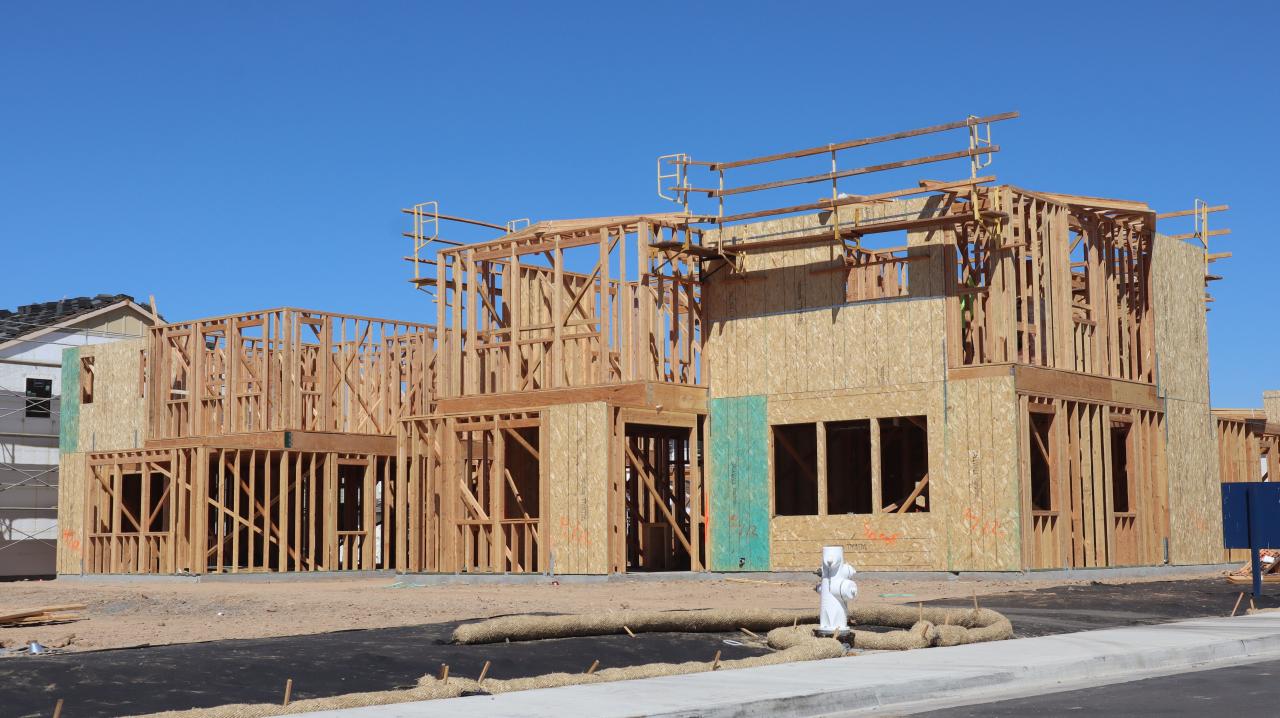
In conclusion, deploying high-yield modular prefabricated construction capital strategies optimizes capital deployment efficiency and drives commercial asset valuations higher. Executing factory structural assembly ensures sub-millimeter precision and superior quality control across all prefabricated building components.
Conducting site civil works simultaneously with off-site module manufacturing compresses overall construction timelines to generate earlier rental cash flows.Integrating digital supply chain tracking coordinates transport logistics to eliminate staging yard expenses and site congestion friction. Deploying specialized heavy transportation and crane rigging infrastructure guarantees safe vertical positioning of structural modules on urban job sites.
Standardizing inter-module mechanical electrical plumbing connection harnesses accelerates field trade integration and building commissioning timelines. Engineering volumetric structural acoustic damping joints eliminates inter-suite noise transmission to command premium commercial lease rates. Applying continuous factory thermal insulation creates an airtight structural envelope that lowers ongoing operational heating and cooling overhead.
Structuring specialized milestone-based manufacturing debt financing maintains liquidity while securing favorable capital loan rates from commercial lenders. Reducing required field labor densities minimizes job site safety hazards and insulates real estate projects from localized trade wage inflation. Designing modular assets with demountable structural connectors preserves high end-of-life residual asset capital value for future redeployment.