

Deploying enterprise commercial building infrastructure structural engineering risk allocation strategies represents a critical financial optimization endeavor for institutional property developers, commercial real estate asset management syndicates, and corporate infrastructure investors looking to maximize capital protection while ensuring absolute operational continuity across high-density urban developments.
Commercial building infrastructure represents a complex physical balance of heavy structural concrete, high-tensile alloy steel framing, sub-surface foundation piles, and intricate load-bearing assemblies designed to withstand severe environmental stress, seismic motion, and dynamic occupant loads. Traditional structural risk mitigation models that rely on static engineering inspections, delayed material fatigue testing, and reactive structural maintenance protocols often fail to prevent expensive structural degradation, uncoordinated retrofit delays, and crippling business interruption liabilities. Implementing comprehensive digital structural health telemetry networks equips commercial real estate operators with continuous material strain analytics, dynamic load displacement tracking, automated foundation settlement monitoring, and predictive structural risk algorithms to oversee core building integrity with incredible precision.
Modern engineering platforms synthesize real-time vibration frequency telemetry, environmental thermal stress modeling, sub-soil moisture tracking, and advanced finite element analysis into a single unified dashboard accessible by corporate risk managers and structural engineering teams. By replacing legacy paper inspection logs with automated digital structural monitoring, commercial property owners drastically reduce recurring asset lifecycle management expenses, shield balance sheets from catastrophic failure liabilities, and prolong the overall operating life of high-value structural assets. Integrating continuous structural health monitoring infrastructure directly with commercial property risk underwriting frameworks, corporate balance sheet governance, and facility management systems provides total operational visibility into structural safety margins, structural repair forecasting, and long-term capital expenditure allocations.
Utilizing specialized structural engineering risk mitigation strategies protects commercial real estate portfolios from early physical obsolescence, lowers property insurance deductibles, and ensures full compliance with strict municipal building safety codes and international structural resilience standards. Furthermore, global commercial underwriting conglomerates, institutional real estate investment trusts, and infrastructure debt syndicates aggressively offer favorable capital financing terms and reduced risk premiums to real estate developers utilizing verified digital structural health monitoring systems.
Mastering the strategic design and practical execution of commercial structural infrastructure risk allocation solutions requires a deep technical understanding of structural mechanics, geomechanics, material science, finite element modeling, and enterprise asset risk management. Ultimately, establishing technology leadership in commercial building structural engineering risk optimization arms your enterprise property portfolio with exceptional capital deployment efficiency, bulletproof structural safety, and sustained long-term asset value growth.
A. Dynamic Finite Element Modeling And Structural Load Telemetry

Deploying advanced finite element modeling software allows structural engineering teams to simulate complex mechanical stress distributions across high-rise building frames under variable environmental conditions. Connected strain gauge sensors embedded throughout primary load-bearing columns transmit real-time material stress data directly to structural analytics engines.
Comparing live physical strain telemetry against theoretical finite element models reveals subtle structural load redistribution patterns before visible micro-cracking occurs. Continuous structural strain tracking enables proactive structural reinforcement interventions, preventing catastrophic frame failure and preserving structural integrity.
B. Sub-Surface Foundation Settlement Telemetry And Geotechnical Analytics
Installing deep subterranean piezometers, inclinometers, and fiber-optic settlement sensors provides continuous monitoring of sub-surface soil conditions and foundation pile movement. Geotechnical analytics engines process groundwater pore pressure changes, soil compaction variances, and vertical foundation displacement metrics in real time.
Detecting uneven foundation settlement early allows structural engineers to execute targeted sub-surface grouting or underpinning procedures before structural framing alignment suffers. Proactive geotechnical risk management protects high-density urban developments from severe structural tilting and expensive foundation failure litigation.
C. Automated Seismic Isolation Monitoring And Vibration Control Infrastructure
Equipping high-rise commercial structures with automated seismic base isolators, magnetorheological fluid dampers, and tuned mass dampers mitigates dynamic lateral wind and earthquake forces effectively. Acceleration sensor arrays distributed across building floors capture real-time structural sway dynamics and vibration frequency shifts during environmental events.
Automated control systems adjust mechanical damper resistance dynamically to absorb destructive kinetic energy and minimize lateral displacement across upper building levels. Active seismic vibration control prevents internal structural joint fatigue, protects architectural glass facades, and guarantees occupant safety during severe storm cycles.
D. Continuous Structural Steel Corrosion Sensing And Material Fatigue Analytics
Integrating wireless electrochemical corrosion sensors along critical structural steel connections and rebar matrices monitors metal oxidation rates continuously. Material fatigue algorithms calculate cumulative mechanical stress cycles, thermal expansion exposure, and chemical degradation profiles to estimate remaining structural lifespan metrics accurately.
Identifying early corrosion hotspots enables maintenance teams to apply specialized protective coatings and cathodic protection currents before structural steel cross-sections weaken. Systematic corrosion management prevents expensive structural steel replacements and extends primary building framework durability by several decades.
E. High-Performance Fiber-Reinforced Polymer Composite Retrofitting
Utilizing high-tensile fiber-reinforced polymer composites provides an extraordinary non-invasive structural strengthening solution for aging commercial concrete beams, columns, and floor slabs. Structural engineering teams bond lightweight carbon-fiber sheets onto existing concrete surfaces using high-strength epoxy resin formulations to boost load-bearing capacity rapidly.
Composite material retrofitting restores structural load margins without adding substantial dead weight to underlying building foundations or reducing usable interior floor space. Executing targeted composite reinforcement slashes structural retrofit expenditures and minimizes business disruption for commercial tenants.
F. Automated Wind Tunnel Simulation Integration And Aerodynamic Buffeting Analytics
Connecting real-time atmospheric wind velocity sensors on commercial building exteriors with computational fluid dynamics software analyzes dynamic aerodynamic pressure distributions across facade panels. Aerodynamic buffeting analytics evaluate vortex shedding phenomena and localized wind pressure spikes during extreme hurricane-force wind events.
Real-time aerodynamic data enables automated building management systems to adjust exterior window shading louvers and mechanical damper configurations to optimize wind load resistance. Mitigating wind-induced structural vibration prevents facade panel detachment, protects building occupants, and maintains envelope integrity.
G. Digital Twin Structural Health Telemetry And Predictive Asset Governance
Creating a digital twin representation of the commercial property integrates live Internet of Things sensor streams with comprehensive structural building information modeling datasets. Cloud-based digital twin software visualizes internal structural stress points, concrete moisture migration, and mechanical deflection gradients across a three-dimensional building model.
Corporate asset managers utilize predictive digital twin analytics to forecast long-term structural maintenance needs and optimize multi-year capital expenditure budgets accurately. Continuous digital auditing verifies ongoing structural safety compliance, boosting property marketability and attracting premium corporate tenants.
H. Sub-Surface Concrete Micro-Crack Ultrasonic Diagnostics
Deploying automated ultrasonic testing transceivers across primary concrete shear walls and support columns transmits high-frequency sound waves through structural elements continuously. Changes in wave propagation velocity and acoustic attenuation patterns signal the formation of internal micro-cracking and internal concrete voids.
Detecting subsurface concrete degradation at an microscopic stage allows structural engineers to inject high-pressure epoxy resins into internal voids before structural load capacity drops. Ultrasonic diagnostic monitoring eliminates costly destructive core sampling procedures and preserves primary concrete column strength.
I. Strategic Insurance Risk Transfer And Deductible Optimization
Structuring specialized commercial property insurance policies backed by continuous digital structural health telemetry lowers annual risk premiums substantially. Commercial insurance underwriters offer reduced deductibles and favorable coverage terms to property owners who provide verified real-time structural stability data.
Demonstrating proactive structural risk management establishes a transparent risk profile that simplifies insurance renewal negotiations and eliminates coverage exclusions. Optimizing insurance risk transfer frameworks protects corporate capital reserves against catastrophic physical damage liabilities and unexpected business interruption losses.
J. Regulatory Compliance Automation And Structural Audit Logging
Automating structural safety compliance workflows organizes engineering inspection records, sensor calibration logs, material test reports, and repair documentation into secure digital audit trails. Real-time compliance tracking software compares current structural performance telemetry against municipal building safety codes and regional structural engineering mandates automatically.
Generating automated compliance reports simplifies municipal structural safety recertification procedures and eliminates severe non-compliance fines. Comprehensive digital audit logging provides complete legal protection during property transaction due diligence and institutional investor audits.
Conclusion
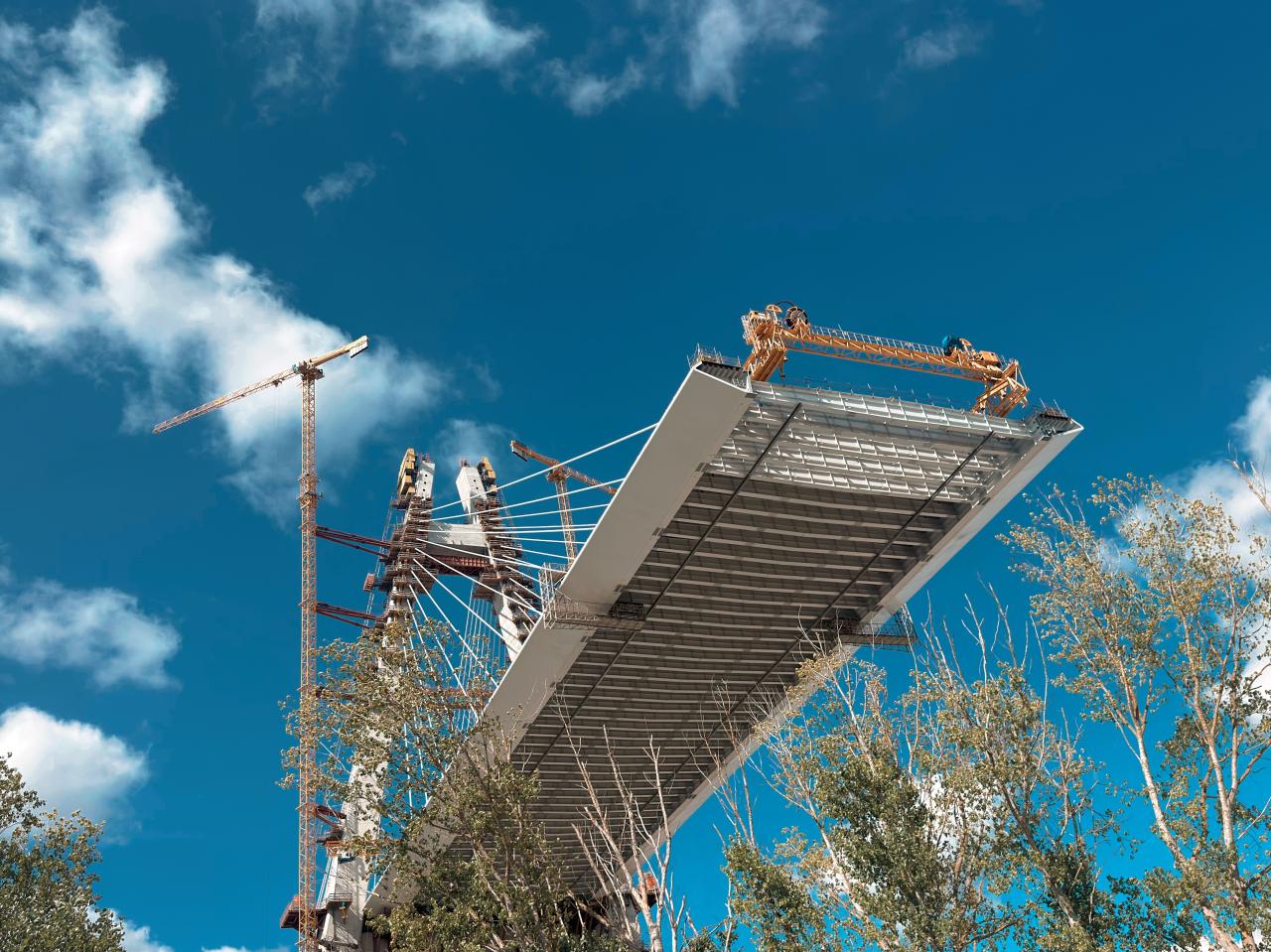
In conclusion, deploying commercial building infrastructure structural engineering risk allocation strategies optimizes operational performance and protects asset financial value. Utilizing dynamic finite element modeling with structural strain telemetry detects localized load redistribution before visible material cracking occurs. Monitoring sub-surface foundation settlement through geotechnical telemetry enables early soil stabilization to prevent structural frame misalignment.
Integrating automated seismic base isolators and vibration dampers absorbs dynamic kinetic energy during severe earthquake and storm events. Deploying continuous structural steel corrosion sensors identifies metal oxidation early to prevent costly primary structural framing replacements.
Applying high-performance fiber-reinforced polymer composites strengthens concrete structural elements rapidly without adding heavy dead weight. Analyzing real-time aerodynamic wind pressures with computational fluid dynamics software optimizes facade performance during extreme hurricane conditions. Creating digital twin structural models visualizes physical stress points to streamline long-term capital expenditure budgeting and maintenance workflows.
Utilizing sub-surface ultrasonic concrete diagnostics detects microscopic internal voids to permit high-pressure epoxy resin injection repairs. Structuring telemetry-backed commercial insurance policies lowers annual risk premiums and optimizes corporate property liability coverage terms. Automating regulatory compliance documentation establishes complete digital audit trails that streamline municipal structural recertification procedures.