


Deploying high-yield heavy construction equipment fleet management technologies represents an extraordinarily lucrative capital optimization strategy for enterprise general contractors, civil infrastructure developers, and global equipment leasing syndicates seeking to maximize operational asset efficiency while protecting high-value mechanical portfolios against catastrophic downtime liabilities.
Modern heavy construction operations function as capital-intensive operational environments where real-time coordination between site managers, fleet mechanics, equipment operators, and corporate financial directors is absolutely vital for project profitability. Traditional fleet administration methods relying on manual logbooks, static hour meter records, and reactive maintenance responses inevitably lead to severe mechanical breakdowns, uncoordinated machinery dispatching, excessive fuel burn, and crippling financial losses on major infrastructure builds. Implementing centralized, cloud-connected fleet telematics software equips commercial construction entities with real-time diagnostic engine telemetry, automated predictive maintenance algorithms, integrated GPS geofencing capabilities, and granular operator performance analytics to oversee every heavy machine asset with absolute precision.
Modern heavy machinery management platforms unify equipment tracking, fuel efficiency monitoring, safety compliance, spare parts procurement, and depreciation modeling into a single source of truth accessible across corporate headquarters and field operations. By replacing fragmented paper workflows with automated digital diagnostics, heavy equipment owners drastically reduce daily operating expenses, shield profit margins from unexpected repair bills, and extend the overall working lifespan of costly fleet investments.
Centralized fleet management infrastructure integrates directly with enterprise resource planning systems and job site management platforms to provide total visibility into equipment utilization rates, hourly operating costs, and overall fleet return on capital. Utilizing comprehensive automated equipment asset solutions protects enterprise construction groups from early mechanical obsolescence, minimizes lowboy transport overhead, and ensures total alignment with strict environmental emissions standards and municipal safety mandates. Furthermore, commercial equipment underwriters, equipment financing banks, and institutional underwriting syndicates aggressively offer favorable capital terms and reduced insurance premiums to construction enterprises utilizing verified automated fleet telemetry platforms.
Mastering the strategic deployment and mechanical execution of automated heavy construction fleet solutions requires a deep operational understanding of machine diagnostics, hydraulic systems mechanics, telematics sensor networks, and capital asset depreciation curves. Ultimately, establishing technology leadership through modern automated heavy machinery solutions equips your enterprise construction business with exceptional capital deployment efficiency, bulletproof risk mitigation, and sustained long-term operational yield growth.
A. Precision Diagnostic Telematics And Machine Telemetry Integration
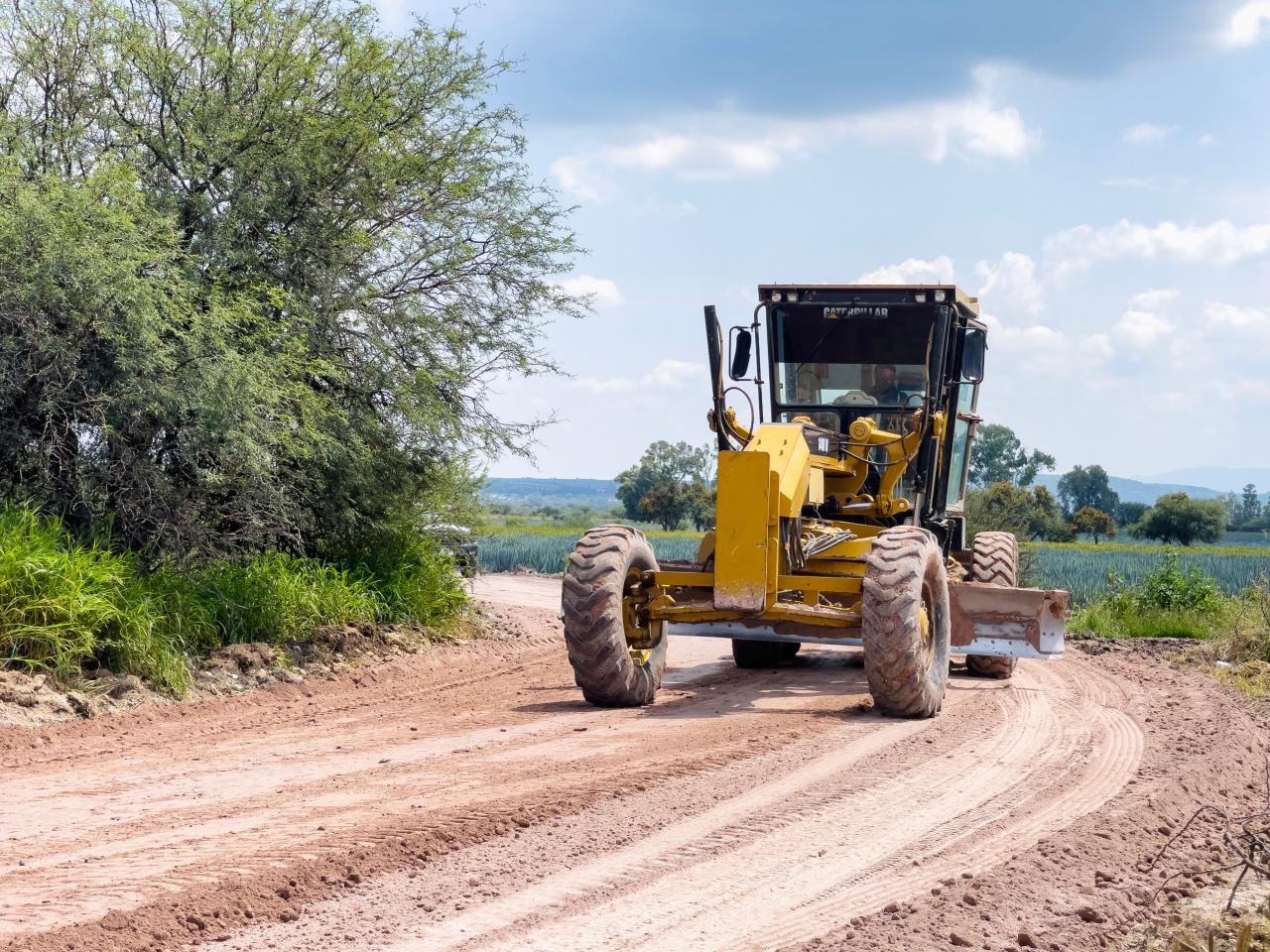
Connecting enterprise heavy machinery fleets with high-speed diagnostic telematics hardware captures critical internal engine metrics, hydraulic pressure trends, and fluid temperatures continuously. Embedded Internet of Things sensor nodes transmit real-time telemetry streams directly to central fleet management software platforms for instant operational analysis.
Detecting mechanical stress anomalies early allows service teams to fix minor component issues before they cause catastrophic engine or transmission failures. Real-time diagnostic monitoring eliminates sudden job site disruptions, extends primary component working lifespans, and stabilizes corporate mechanical maintenance budgets.
B. Automated Machine Utilization Analytics And Dispatch Scheduling
Deploying automated fleet analytics software evaluates real-time location data and engine load metrics to measure actual machine productivity against active job site schedules. Tracking engine idle duration versus active working hours highlights underutilized machinery assets across multi-site construction operations clearly.
Reallocating dormant excavators, dozers, and haul trucks to high-demand project sites optimizes total fleet capacity and eliminates unnecessary third-party equipment rental expenses. Streamlining machinery dispatch schedules reduces lowboy transit costs, eliminates job site waiting downtime, and maximizes overall capital deployment productivity.
C. Predictive Preventive Maintenance Infrastructure And Algorithmic Scheduling
Transitioning from static engine-hour service intervals to dynamic predictive maintenance models prevents unplanned mechanical failures across heavy equipment fleets. Advanced diagnostic algorithms analyze historical stress metrics, fluid contamination samples, and operating load patterns to schedule precise service interventions proactively.
Automating maintenance scheduling ensures that routine oil changes, filter replacements, and structural inspections occur precisely when needed without disrupting active construction timelines. Predictive servicing protects primary mechanical warranties, prevents expensive emergency field repairs, and preserves high residual machinery asset values.
D. Real-Time GPS Asset Tracking And Geofencing Security Frameworks
Integrating satellite GPS tracking modules across all mobile heavy machinery assets provides persistent geographical visibility across distant and high-risk job sites. Security managers establish custom digital geofencing boundaries around active project perimeters to enforce strict equipment movement protocols automatically.
Systematizing instant automated alerts for unauthorized machinery movement deters equipment theft, prevents unauthorized equipment usage after hours, and simplifies job site auditing procedures. Persistent location telemetry protects high-value capital assets, ensures rapid recovery during theft attempts, and maintains continuous job site security compliance.
E. Integrated Fuel Burn Optimization And Emission Compliance Systems
Monitoring fuel consumption continuously through automated telematics networks identifies excessive engine idling, inefficient operator handling, and unexpected fuel loss across field assets. Automated fuel management platforms analyze fuel burn rates against daily work output metrics to highlight operational fuel waste patterns systematically.
Optimizing operator driving behavior and adjusting engine idle parameters reduces daily diesel fuel consumption drastically across heavy equipment fleets. Lowering fuel usage slashes ongoing variable operating expenses, supports corporate sustainability benchmarks, and ensures compliance with strict regional environmental emission regulations.
F. Digital Total Cost Of Ownership And Asset Lifecycle Analytics
Calculating total cost of ownership requires continuous digital logging of initial equipment acquisition prices, cumulative maintenance expenditures, fuel inputs, and secondary market valuations. Automated accounting integrations assign field operating expenses directly to specific machine serial numbers and individual project cost codes automatically.
Providing corporate finance executives with verified lifecycle cost analytics enables accurate data-driven decisions regarding when to re-power, repair, sell, or replace aging fleet units. Systematic lifecycle management maximizes capital recovery when disposing of machinery at peak secondary market valuation points.
G. Automated Operator Safety Management And Credential Verification
Deploying digital safety platforms mandates automated pre-operation safety checklists and operator credential verification before heavy machinery engines can be started on site. Onboard safety sensors monitor sudden impact events, dangerous machine slope angles, and operator fatigue indicators continuously during active work cycles.
Automating safety compliance procedures limits corporate legal liability, reduces job site workplace injuries, and ensures strict adherence to occupational safety regulations. Demonstrating disciplined digital safety management workflows lowers commercial insurance premiums and protects valuable site personnel.
H. Streamlined Automated Spare Parts Inventory Logistics
Integrating heavy machinery diagnostic platforms directly with enterprise resource planning systems automates replacement parts procurement for field maintenance teams. When telematics sensors register component wear or diagnostic error codes, automated workflows order required original equipment manufacturer parts immediately.
Maintaining balanced spare parts inventory levels prevents job site repair delays while eliminating unnecessary warehouse holding overhead costs. Streamlined parts procurement ensures that field mechanics receive correct replacement components quickly, minimizing total equipment repair downtime.
I. Data-Driven Equipment Rental Versus Capital Purchase Modeling
Evaluating whether to purchase, lease, or rent specific heavy machinery assets relies on comprehensive long-term asset utilization data and project pipeline forecasts. Financial analytics software models short-term rental rates against long-term capital ownership liabilities to establish the optimal corporate fleet composition.
Preserving capital balance sheet flexibility through strategic rental mix management prevents financial over-extension during cyclical market downturns. Data-driven capital allocation ensures that enterprise construction firms maintain access to modern equipment technology without incurring unmanageable debt service burdens.
J. Algorithmic Asset Depreciation Forecasting And Resale Maximization
Utilizing machine learning depreciation models analyzes current secondary equipment market trends, machine operating hours, and historical maintenance logs to project future resale values accurately. Understanding real-time asset depreciation curves allows fleet managers to time equipment trade-ins precisely at optimal valuation windows.
Executing timely machinery sales returns maximum capital to corporate balance sheets, providing substantial funding for new equipment acquisitions. Algorithmic resale tracking eliminates sudden asset write-downs and preserves enterprise capital reserves across changing economic cycles.
K. Centralized Enterprise Fleet Control Command Dashboards
Establishing centralized fleet command dashboards synthesizes disparate machinery telemetry streams into clear, actionable business intelligence reports for corporate executives. Intuitively formatted management tools provide complete operational visibility across all regional equipment divisions, job site locations, and maintenance facilities.
Centralized fleet visibility standardizes operating procedures, eliminates regional fleet management inefficiencies, and aligns field execution with corporate profit targets. Executive leadership leverages real-time fleet analytics to optimize long-term capital expenditure budgets and improve overall corporate balance sheet performance.
L. Specialized Heavy Transport Routing And Permit Management
Coordinating the transport of massive excavators, cranes, and dozers between job sites requires detailed logistical planning, heavy-haul permit acquisition, and trailer scheduling. Automated fleet transport software calculates optimal travel routes based on vehicle weight limits, bridge clearances, and regional highway regulations.
Optimizing heavy transport logistics minimizes transit delays, avoids expensive highway fines, and eliminates lowboy trailer idling expenses. Efficient equipment relocation ensures that heavy machinery arrives on new job sites precisely when scheduled to begin critical civil works.
M. Onboard Internet Of Things Hydraulic And Engine Sensors
Embedding specialized Internet of Things sensor arrays deep within hydraulic pumps, valve manifolds, engine blocks, and transmission assemblies captures high-frequency physical diagnostic data. These specialized sensors monitor fluid viscosity, metallic wear particles, vibration frequencies, and operating pressures continuously.
Transmitting real-time physical diagnostic telemetry alerts service teams to internal mechanical degradation long before physical symptoms appear externally. Early mechanical intervention prevents catastrophic hydraulic pump seizures and expensive complete engine rebuilds.
N. Semi-Autonomous Machine Guidance And Remote Operation Control
Integrating semi-autonomous machine guidance and remote control technology enhances operational precision while removing human operators from hazardous job site environments. Centralized control centers enable skilled operators to manage multiple machines across distant sites using high-definition video feeds and real-time telemetry controls.
Automating repetitive earthmoving tasks, such as trench digging or site grading, increases operational speed and lowers material placement waste significantly. Remote machine operations protect human personnel during dangerous demolition or mining operations while maintaining continuous productivity output.
O. Automated Environmental Regulatory Compliance Logging
Meeting strict municipal environmental compliance standards requires continuous tracking of diesel exhaust fluid levels, engine particulate output, and job site noise levels. Automated fleet management software aggregates engine emissions data to generate complete environmental compliance audit reports automatically.
Automating environmental reporting eliminates manual administrative paperwork and protects enterprise contractors from severe non-compliance fines. Demonstrating verified low-emission fleet performance strengthens corporate ESG profiles, enabling contractors to win high-profile public infrastructure contracts.
P. Enterprise Insurance Risk Mitigation And Premium Optimization
Commercial insurance underwriters provide substantial premium discounts to construction enterprises that implement comprehensive fleet telematics, geofencing, and automated safety tracking. Detailed digital audit trails demonstrating consistent preventive maintenance, certified operator usage, and secure equipment storage prove a low operational risk profile.
Lowering commercial property and casualty insurance expenses reduces overall project overhead, creating a distinct competitive pricing advantage during project bidding. Enterprise risk mitigation protects corporate capital reserves and ensures long-term operational financial stability.
Q. Operator Skill Enhancement And Telematics Performance Coaching
Capturing granular machine performance telemetry allows fleet managers to evaluate individual operator efficiency, safety compliance, and machine handling habits objectively. Personalized coaching programs utilize factual operating data to train drivers on fuel-efficient techniques, reduced hydraulic stress maneuvers, and safe site positioning.
Upgrading operator skill levels increases daily physical work productivity, reduces unnecessary machine wear, and lowers overall job site accident rates. Investing in operator training fosters a safer working environment and maximizes output from high-value equipment assets.
R. Custom API Integration With Core Enterprise Software Workspaces
Connecting specialized fleet telematics platforms with core accounting, enterprise resource planning, and project management software eliminates operational data silos. Custom API data integration synchronizes machinery operating hours, fuel costs, and maintenance expenses with corporate financial ledgers automatically.
Unified software integration eliminates manual data re-entry errors and keeps corporate financial reporting aligned with actual job site operational costs. Real-time data synchronization empowers corporate executives to make fast, accurate strategic decisions based on current operational facts.
S. Contractual Delay Mitigation And Penalty Protection
Major commercial and infrastructure construction contracts enforce severe financial liquidated damages for project completion delays caused by mechanical equipment downtime. Automated machinery health monitoring provides early warning alerts, enabling project managers to swap out failing equipment before work stoppages occur.
Protecting project execution timelines prevents costly contractual non-performance penalties and preserves enterprise corporate reputation. Maintaining reliable mechanical operations guarantees contract delivery dates, protecting overall project profitability and client trust.
T. Scalable Fleet Architecture For Global Operations
Designing cloud-based scalable fleet management architectures supports seamless business expansion across multiple regional and international construction markets. Standardized equipment tracking protocols and cloud databases ensure uniform operational standards regardless of physical project locations or fleet sizes.
Establishing a scalable digital fleet foundation allows growing construction enterprises to integrate newly acquired machinery assets into corporate management systems instantly. Flexible global software infrastructure supports long-term business growth, cross-border asset sharing, and sustained international expansion.
Conclusion

In conclusion, deploying automated heavy construction equipment fleet asset solutions optimizes operational performance and protects capital project profit margins. Integrating precision diagnostic telematics captures real-time machine health metrics to prevent sudden mechanical component failures.
Utilizing automated machine utilization analytics optimizes equipment capacity across active job sites and eliminates unnecessary rental expenses.Transitioning to predictive preventive maintenance scheduling ensures timely servicing to protect primary warranties and preserve asset values. Deploying real-time GPS asset tracking with geofencing technology deters equipment theft and maintains strict site security compliance.
Monitoring fuel burn optimization lowers daily variable operating costs while meeting strict regional environmental emissions standards. Calculating total cost of ownership through digital lifecycle analytics enables data-driven decisions on equipment replacement timing. Mandating automated operator safety checks reduces workplace injuries and lowers commercial liability insurance premiums.
Streamlining automated spare parts procurement prevents repair delays while eliminating excess inventory holding overhead. Utilizing data-driven capital purchase models establishes the ideal fleet mix between owned assets and short-term equipment rentals. Establishing centralized command dashboards provides corporate leadership with complete visibility into regional equipment operations.