


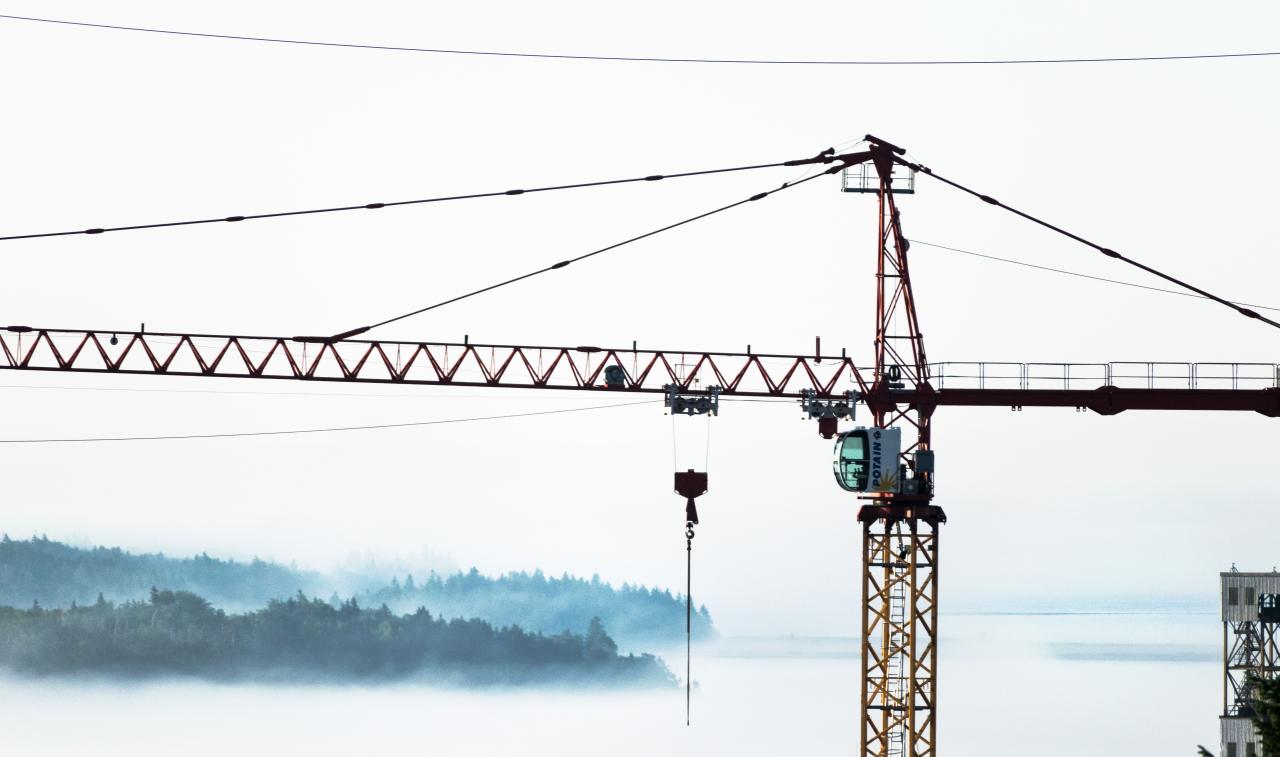
Deploying autonomous building construction robotics analytics solutions represents an exceptionally lucrative strategic capability for global commercial contractors, high-density residential developers, and mega-infrastructure consortia seeking to minimize operational risk and maximize capital deployment returns. Modern construction environments face escalating labor shortages, stringent safety compliance demands, and rising material procurement expenses that continuously compress project margins.
Integrating high-performance autonomous robotics platforms—such as automated masonry printers, multi-axis steel welding arms, robotic layout rovers, and autonomous earthmoving fleets—fundamentally transforms traditional job site workflows from manual labor-intensive operations into precision data-driven manufacturing processes. These advanced robotic systems continuously stream high-frequency operational telemetry, spatial point-cloud scans, structural load stress profiles, and energy consumption metrics directly into centralized analytics engines. Enterprise asset managers, general contractors, and institutional infrastructure funds actively prioritize construction projects that incorporate intelligent robotics analytics to eliminate job site safety hazards, enforce millimeter-level structural tolerances, and eliminate costly field rework.
Executing real-time automated analytics enables construction project directors to monitor fleet equipment health continuously, forecast concrete curing times dynamically, optimize heavy machinery fuel burn rates, and maintain absolute alignment with critical path timelines. Data-driven robotic analytics replaces subjective field reporting with verified operational telemetry, ensuring that every piece of autonomous machinery operates at peak efficiency while protecting capital investments.
Utilizing predictive maintenance algorithms within automated robotics fleets prevents catastrophic mechanical failures, reduces unscheduled equipment downtime, and extends the operational lifespan of high-value heavy machinery assets across multi-year infrastructure developments. Modern construction management teams that deploy integrated analytics engines achieve superior job site safety metrics, sustain high material utilization rates, and secure top-tier commercial development contracts from institutional investors demanding guaranteed delivery schedules.
Mastering the complex telemetry integration, multi-sensor data fusion, edge computing architecture, and automated fleet management systems required for large-scale deployments demands deep operational expertise in computer vision systems, industrial automation, structural engineering, and cloud data architecture. Ultimately, establishing technology leadership in autonomous construction robotics analytics endows your contracting firm with unprecedented operational efficiency, bulletproof project risk mitigation, and sustained long-term revenue growth across competitive global construction markets.
A. Real-Time Autonomous Fleet Telemetry Aggregation And Kinematic Monitoring
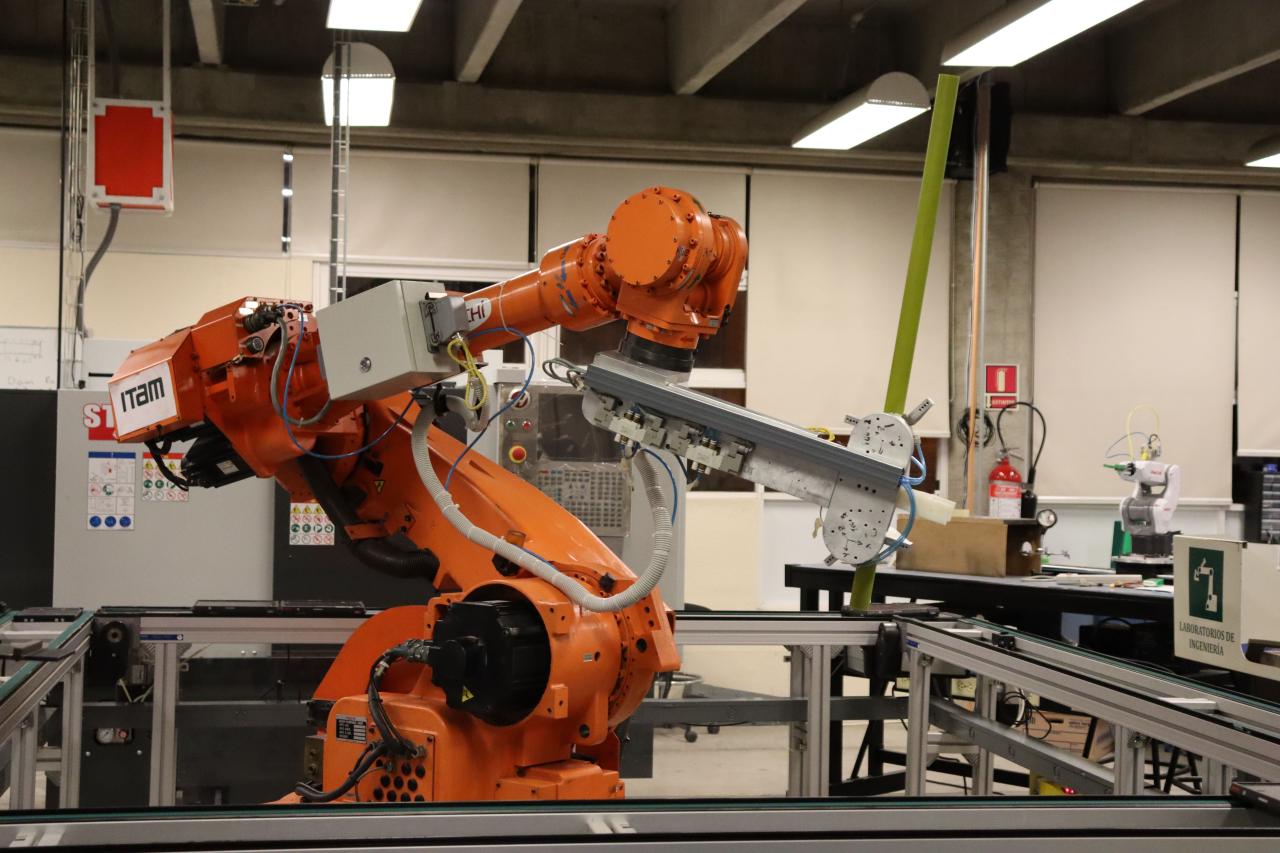
Deploying centralized telemetry aggregation protocols allows project engineering leads to monitor multi-robot fleet status, joint motor temperatures, and hydraulic pressure metrics simultaneously across massive construction sites. High-frequency sensor streaming isolates kinematic mechanical anomalies early, preventing unexpected equipment failure during critical structural concrete pours.
Integrated edge gateways aggregate raw positional data from autonomous earthmovers, layout rovers, and concrete placement booms into unified operational dashboards. Continuous telemetry monitoring optimizes machine deployment cycles, reduces idle fuel consumption, and maximizes total equipment utility.
B. High-Precision Spatial Point-Cloud Analytics And As-Built Model Verification
Integrating high-density LiDAR scanners on autonomous mobile rovers enables continuous millimeter-accurate three-dimensional spatial scanning of active construction zones. Machine learning analytics engines compare captured point-cloud data directly against primary building information models to verify structural alignment in real time.
Instantaneous as-built verification detects minor column deflections, wall misalignments, and utility clearance errors before secondary finishing trades commence work. Automated spatial auditing eliminates expensive job site rework, protects project profit margins, and guarantees total structural fidelity.
C. Predictive Maintenance Algorithms And Machine Component Lifecycle Modeling
Leveraging predictive analytics engines analyzes historical mechanical stress data, vibrational telemetry, and fluid contamination levels to forecast component wear accurately. Automated maintenance scheduling systems trigger replacement part orders and schedule technician interventions before physical component failure occurs on the job site.
Proactive component lifecycle management prevents catastrophic equipment breakdowns during critical structural assembly phases. Extending the operational lifespan of expensive robotic actuators, high-torque gearboxes, and hydraulic pumps lowers capital equipment replacement reserves significantly.
D. Automated Material Consumption Tracking And Site Logistics Optimization
Deploying computer vision sensors on autonomous material handling rovers tracks raw steel, concrete, and masonry inventory movements across the job site continuously. Analytics software calculates real-time material burn rates, predicts supply depletion timelines, and generates automated replenishment requests to primary suppliers.
Optimized site logistics planning prevents material storage clutter, minimizes physical material handling damage, and eliminates labor downtime caused by supply shortages. Continuous material tracking ensures smooth operational workflows and maximizes site layout spatial efficiency.
E. Autonomous Robotic Masonry Printing Precision And Layer Adhesion Analytics
Connecting automated 3D concrete printing machinery with real-time rheological analytics engines monitors extrusion flow rates, nozzle pressure, and mortar setting speeds continuously. Dynamic material sensors evaluate layer adhesion strength and moisture content dynamically to adjust robotic printing arm velocity automatically.
Precision material analytics prevent structural layer collapsing, eliminate voids inside load-bearing concrete walls, and ensure total structural stability. Automated masonry printing slashes wall assembly schedules, reduces raw cement waste, and produces complex architectural geometries effortlessly.
F. Automated Structural Welding Analytics And Nondestructive Quality Assurance
Integrating high-speed thermal imaging cameras and ultrasonic inspection sensors directly into autonomous steel welding robots monitors weld pool stability continuously. Deep learning visual analytics detect micro-porosity defects, lack of fusion, and thermal stress fractures instantly during active joint assembly.
Real-time welding quality assurance eliminates manual post-weld inspection delays and guarantees compliance with international structural steel codes. Automated high-precision welding accelerates heavy structural frame erection while maintaining absolute joint load-bearing integrity.
G. Edge Computing Sensor Fusion And Sub-Millisecond Hazard Avoidance
Deploying high-performance edge computing modules directly on mobile autonomous machinery combines stereo vision, radar, and ultrasonic telemetry to construct real-time local spatial obstacle maps. Sub-millisecond sensor fusion algorithms detect human workers, temporary scaffolding, and moving equipment instantly within the robot operating envelope.
Immediate hazard detection triggers automated emergency deceleration and path rerouting protocols without relying on remote cloud connectivity. Autonomous edge safety systems prevent job site collisions, eliminate physical injury risks, and maintain flawless site safety records.
H. Dynamic Path Planning Algorithms And Multi-Agent Swarm Coordination
Utilizing centralized swarm coordination software optimizes spatial navigation paths for dozens of autonomous layout rovers, material transport units, and excavation platforms operating concurrently. Graph theory navigation algorithms compute collision-free transit corridors dynamically to prevent site traffic congestion bottlenecks.
Coordinated multi-agent navigation accelerates job site transit times, minimizes battery depletion rates, and optimizes site floor coverage efficiency. Intelligent swarm coordination transforms chaotic construction sites into highly organized, automated industrial environments.
I. Autonomous Earthmoving Telemetry And Geospatial Soil Density Profiling
Equipping autonomous excavators and bulldozers with dynamic load sensors and satellite positioning systems tracks precise bucket capacities and earthmoving volumes continuously. Real-time soil resistance analytics map underground density variations, bedrock boundaries, and moisture concentration zones during site excavation phases.
Automated soil profiling ensures optimal site compaction levels, prevents over-excavation errors, and optimizes heavy machinery engine load performance. Data-driven earthmoving speeds up site preparation, lowers diesel fuel consumption, and prepares perfectly leveled structural foundations.
J. Integrated 4D Construction Progress Analytics And Robotic Schedule Alignment
Linking real-time robotic work completion metrics directly to project master schedules provides dynamic four-dimensional progress tracking across all active construction zones. Analytics engines compare completed concrete yardage, installed structural steel tonnage, and finished wall square footage against planned project milestones automatically.
Real-time schedule alignment highlights potential construction delays early, allowing project directors to reallocate autonomous equipment resources proactively. Automated progress tracking eliminates manual site reporting errors and provides institutional investors with transparent, verified project delivery updates.
K. Automated Concrete Curing Telemetry And Environmental Stress Tracking
Embedding wireless sensor nodes inside poured concrete structures streams internal temperature, relative humidity, and chemical hydration metrics continuously to autonomous finishing robots. Analytics software calculates compressive strength growth curves dynamically to determine exact structural formwork stripping schedules.
Data-driven concrete monitoring prevents premature formwork removal, avoids structural surface cracking, and optimizes the timing of automated power troweling operations. Precision curing analytics guarantee maximum concrete structural durability and accelerate vertical building assembly sequences.
L. Autonomous Rebar Tying Robotics And Structural Grid Geometry Validation
Deploying high-speed autonomous rebar tying rovers across concrete floor decks places and secures structural steel reinforcement grids with absolute spacing consistency. Computer vision cameras analyze rebar intersections, bar diameters, and overlap lengths automatically prior to executing high-torque wire ties.
Automated reinforcement validation guarantees full compliance with structural engineering drawings and regional earthquake resistance standards. Autonomous rebar installation slashes manual deck preparation timelines, eliminates repetitive strain injuries for workers, and speeds up concrete pour readiness.
M. Multi-Spectrum Thermal Energy Analytics And Building Envelope Inspection
Mounting multi-spectral thermal and infrared cameras on autonomous airborne inspection drones captures detailed building facade surface temperature profiles continuously. Analytics engines analyze thermal radiation patterns to identify insulation gaps, air infiltration leaks, and hidden moisture intrusion behind exterior wall cladding.
Proactive envelope auditing ensures strict compliance with international green building energy standards prior to project handover. Identifying facade defects early prevents expensive post-occupancy warranty claims and lowers long-term building mechanical heating and cooling expenses.
N. Autonomous Excavation Depth Analytics And Underground Utility Avoidance
Integrating ground-penetrating radar arrays with autonomous trenching machinery scans sub-surface soil strata continuously for hidden utility lines, drainage pipes, and electrical conduits. Analytics software overlays real-time subsurface radar returns onto municipal utility maps to construct accurate three-dimensional subterranean hazard profiles.
Automated depth controls modify excavator bucket trajectories instantly upon detecting unidentified buried infrastructure, preventing catastrophic utility strikes. Subterranean hazard analytics protect job site utility infrastructure, eliminate unscheduled project delays, and ensure worker safety.
O. High-Torque Robotic Actuator Telemetry And Dynamic Load Balancing
Monitoring real-time current draw, thermal dissipation, and torsional load feedback across high-torque robotic crane actuators prevents structural tipping hazards during heavy modular component lifts. Dynamic load balancing algorithms calculate center-of-gravity shifts continuously, adjusting boom tension and counterweight positions automatically.
Automated load balancing ensures absolute stability when placing heavy prefabricated concrete panels, steel trusses, and modular room units at extreme heights. Precision lifting analytics eliminate rigging accidents, protect high-value modular assets, and accelerate high-rise structural assembly.
P. Automated Site Surveying Analytics And Geodetic Control Network Sync
Connecting autonomous survey rovers with satellite positioning networks allows continuous updating of site geodetic control points and benchtop elevation markers across changing topographies. Analytics engines re-calibrate internal navigation maps automatically as physical land grading alters site elevations during construction.
Continuous geodetic synchronization guarantees absolute spatial accuracy for all autonomous layout, excavation, and structural placement machinery across multi-hectare job sites. High-precision surveying analytics eliminate cumulative layout drift errors, ensuring seamless fitting of prefabricated structural components.
Q. Cyber-Physical Security Shielding And Cryptographic Telemetry Protection
Deploying hardware security modules and end-to-end cryptographic encryption protocols across autonomous robot wireless networks protects site control commands against malicious interception. Advanced intrusion detection analytics monitor fleet communications continuously for unauthorized signal override attempts or telemetry spoofing.
Robust cybersecurity architecture safeguards high-value automated equipment assets and protects confidential structural engineering data against corporate espionage. Uncompromised cyber-physical security guarantees continuous operational integrity and satisfies strict defense contractor site security requirements.
R. Automated Structural Fastener Torque Analytics And High-Strength Bolting
Equipping autonomous structural steel bolting robots with calibrated digital torque sensors records exact rotational resistance and final tension values for every installed structural bolt. Analytics engines log fastener torque data into permanent digital twin records, verifying structural joint integrity automatically.
Automated torque recording eliminates manual bolt inspection protocols and prevents structural joint loosening under dynamic wind and seismic loads. Data-verified fastener installation accelerates steel frame erection and provides complete legal liability documentation for engineering firms.
S. Autonomous Demolition Robotics And Structural Fracture Pattern Analytics
Utilizing remote autonomous demolition robots equipped with hydraulic breakers and acoustic sensors analyzes concrete fracture propagation patterns in real time during controlled structural dismantling. Machine learning algorithms optimize breaker impact force and hammer strike positioning to collapse target concrete members cleanly without damaging adjacent supporting columns.
Precision fracture analytics prevent uncontrolled structural collapses, lower ambient noise pollution, and minimize airborne dust generation during urban adaptive reuse projects. Automated demolition protects operator safety, speeds up site clearing operations, and maximizes material recycling sorting efficiency.
T. Strategic Capital Yield Optimization And Contracting Profitability
Structuring commercial contracting operations around enterprise autonomous construction robotics analytics engines delivers measurable return on capital across all project delivery phases. Lower site labor expenses, zero structural rework costs, and accelerated project completion velocity maximize contractor net operating margins significantly.
Enterprise adoption of advanced construction robotics positioning transforms traditional general contracting firms into high-tech infrastructure leaders capable of securing mega-scale commercial developments. Optimizing construction workflows with cutting-edge analytics platforms secures high capital efficiency, strong market differentiation, and sustained long-term financial growth.
Conclusion
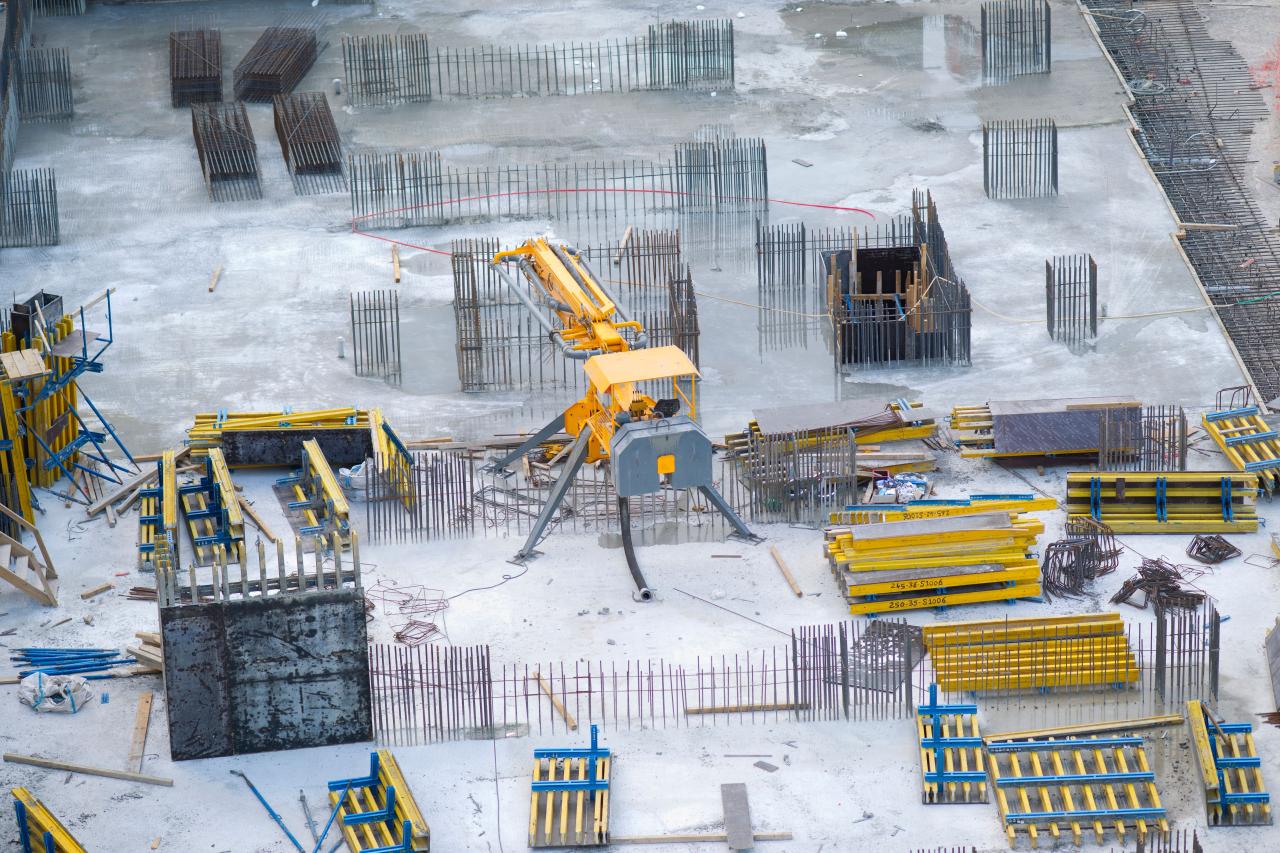
In conclusion, deploying autonomous building construction robotics analytics solutions maximizes operational safety and secures superior project financial performance. Integrating real-time fleet telemetry aggregation provides continuous visibility into machine kinematic health to prevent job site mechanical breakdowns. Utilizing high-density point-cloud analytics enables automated as-built model verification that eliminates costly structural rework during active construction.
Leveraging predictive maintenance algorithms forecasts component wear accurately to optimize machinery service schedules and lower capital reserves. Deploying automated material tracking sensors optimizes job site logistics and prevents labor downtime caused by unexpected supply shortages. Connecting dynamic rheological sensors to 3D concrete printing machinery ensures proper layer adhesion and accelerates wall assembly schedules.
Integrating thermal and ultrasonic sensors into welding robots provides automated quality assurance that verifies structural steel joint integrity. Utilizing edge computing sensor fusion enables sub-millisecond hazard detection that prevents collisions and protects job site worker safety. Deploying intelligent swarm navigation algorithms computes collision-free transit corridors that eliminate equipment traffic congestion across active job sites.
Equipping excavators with load sensors tracks soil resistance metrics to optimize earthmoving efficiency and lower overall fuel burn rates. Linking robotic work completion metrics directly to project master schedules generates dynamic four-dimensional progress tracking for total project visibility. Embedding wireless curing sensors inside concrete structures monitors compressive strength growth to optimize formwork stripping schedules safely.
Deploying autonomous rebar tying rovers verifies reinforcement grid placement to guarantee full compliance with regional earthquake safety standards. Mounting multi-spectral cameras on inspection drones identifies building envelope thermal leaks to ensure compliance with green energy guidelines. Integrating ground-penetrating radar arrays with excavation machinery detects buried utility lines instantly to prevent catastrophic subterranean utility strikes.
Monitoring actuator telemetry during heavy crane lifting operations balances dynamic loads automatically to prevent tipping hazards at extreme heights. Connecting survey rovers to satellite control networks maintains absolute geodetic accuracy to eliminate cumulative layout errors across large sites. Deploying cryptographic security protocols across wireless robot networks shields autonomous fleets against unauthorized signal overrides and cyber threats.
Recording digital torque values during structural steel bolting operations creates verified joint installation records that satisfy strict engineering codes. Utilizing fracture pattern analytics during automated demolition operations controls concrete collapse dynamics to maximize site safety and material recycling. Structuring commercial contracting businesses around advanced robotics analytics platforms drives capital deployment efficiency, mitigates project risks, and maximizes overall profitability.