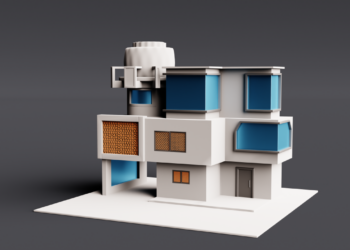



Deploying enterprise virtual reality architectural visualization software platforms represents a high-impact technology investment strategy for global architecture firms, commercial property developers, and multi-disciplinary engineering consultancies looking to accelerate design approvals and secure premier development deals. Global commercial real estate markets continuously demand immersive digital twin technology, real-time spatial interaction, and photorealistic 3D environment reviews to mitigate costly structural revisions prior to ground-breaking construction phases.
Integrating immersive virtual reality rendering engines directly into building information modeling workflows converts static two-dimensional floor plans into fully interactive, scale-accurate digital environments that stakeholders can explore dynamically. Enterprise spatial visualization systems enable real-time collaborative design iterations, seamless lighting simulations, and automated material swap evaluations across massive commercial real estate portfolios.
Corporate developers and international investment funds leverage fully immersive virtual reality walkthroughs to secure anchor tenant commitments, streamline municipal planning permissions, and pitch high-value urban development projects with absolute spatial clarity. High-performance virtual software solutions drastically reduce traditional physical model fabrication expenses, shorten client feedback loops, and eliminate miscommunications between cross-functional architecture and engineering teams.
Modern virtual reality platforms allow global stakeholders to conduct virtual site inspections remotely, evaluating spatial proportions, ceiling clearances, and interior acoustic factors without incurring heavy travel budgets. Enterprise architectural technology directors prioritize scalable software deployments that integrate seamlessly with existing industry-standard computer-aided design systems, parametric modelers, and cloud asset libraries.
Deploying immersive virtual reality infrastructure across decentralized design studios enhances spatial design accuracy, minimizes expensive change orders during active construction, and protects overall project profitability. Mastering the deployment of enterprise spatial visualization engines, real-time graphics optimization pipelines, multi-user immersion networks, and hardware-accelerated rendering rigs requires deep technical expertise in computer graphics, building information architecture, and spatial computing infrastructure.
Ultimately, establishing technology leadership through enterprise virtual reality architectural visualization platforms delivers superior capital efficiency, unmatched client engagement, and sustained commercial yield across global real estate markets.
A. Immersive Real-Time Building Information Model Synchronization Platforms
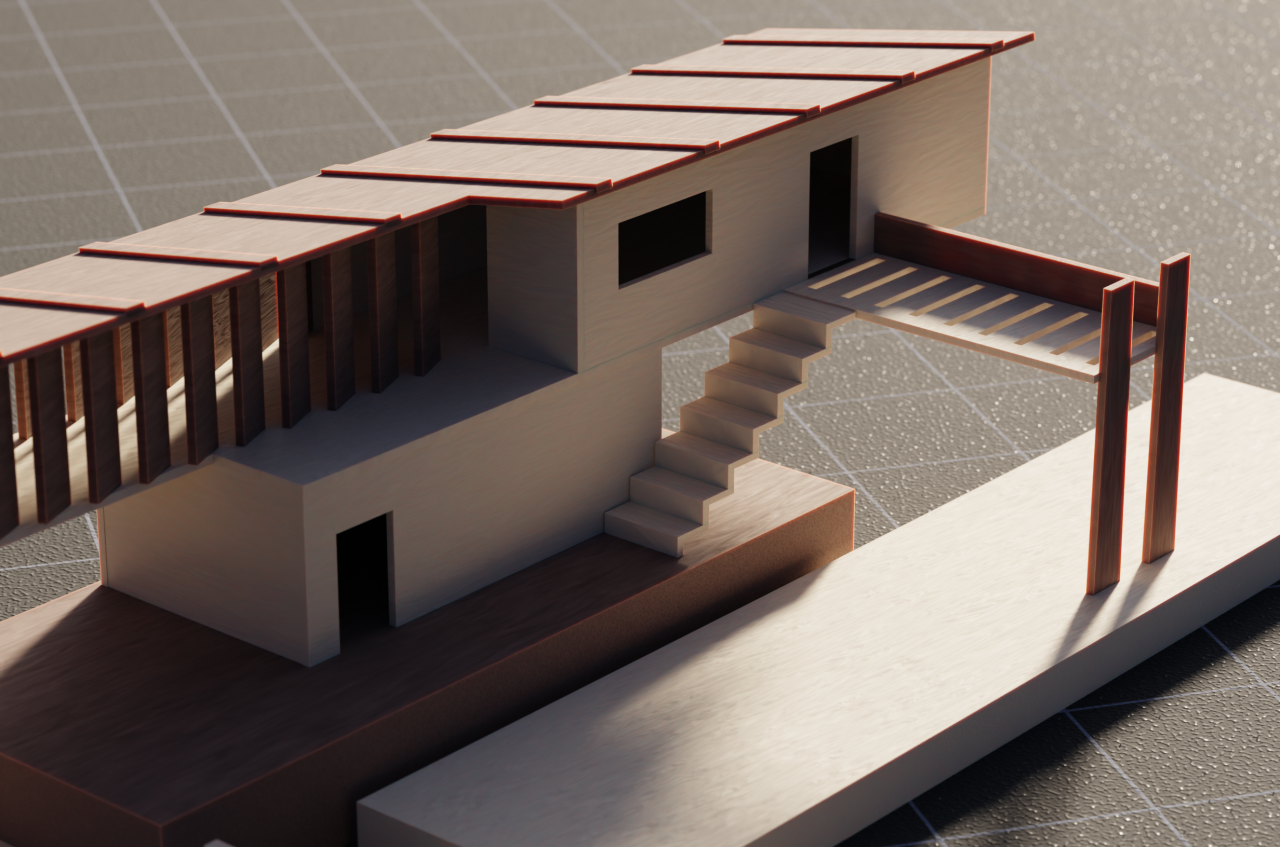
Deploying bidirectional real-time data sync plugins establishes live connections between building information modeling software and virtual reality graphics engines. Any geometry adjustment, material modification, or spatial change made in the primary design model updates instantly inside the immersive virtual environment.
Live synchronization eliminates tedious file export routines and eliminates data corruption risks associated with traditional multi-stage asset translation pipelines. Real-time model streaming empowers design teams to conduct immediate spatial reviews during early conceptual iterations and complex structural revisions.
B. Cloud-Hosted Multi-User Collaborative Spatial Environment Networks
Integrating cloud-hosted multi-user spatial networking enables global project teams to assemble inside identical virtual building models simultaneously regardless of physical location. Stakeholders navigate future developments as digital avatars, conducting live design walkthroughs and reviewing spatial scale in real time.
Multi-user collaboration tools include integrated voice channels, digital measurement calipers, and virtual markup tools for instantaneous feedback recording. Decentralized spatial reviews replace expensive international travel schedules with immersive digital meetings that drastically accelerate corporate decision-making processes.
C. Photorealistic Real-Time Ray Tracing And Dynamic Illumination Engines
Leveraging hardware-accelerated real-time ray tracing engines accurately simulates natural sunlight trajectories, atmospheric diffusion, and complex interior artificial lighting schemes. Dynamic global illumination algorithms render photorealistic reflection, refraction, and shadow casting without requiring multi-hour offline rendering cycles.
Accurate solar study tools allow architects to analyze seasonal day-lighting patterns, evaluate building facade shade performance, and calculate solar heat gain factors. Dynamic lighting fidelity elevates visual realism during high-stakes client pitches, ensuring prospective buyers experience authentic interior ambiance.
D. Parametric Interior Material Libraries And Instantaneous Texture Swap Engines
Integrating high-resolution digital material libraries allows design teams to alter interior floor finishes, wall cladding, and structural textures with single-click inputs during live virtual reality reviews. High-definition physically based rendering materials react authentically to changing light sources, revealing subtle surface grain, reflectivity, and tactical depth.
Instantaneous material swapping empowers commercial clients to explore diverse interior design palettes interactively without pausing the immersive presentation session. Real-time material customization shortens material approval cycles, streamlines procurement planning, and aligns design choices with target project budgets.
E. Head-Mounted Display Hardware Compatibility And Frame Rate Optimization
Optimizing virtual reality rendering software to support multi-vendor head-mounted displays guarantees smooth visual performance across diverse corporate hardware environments. Advanced graphics optimization pipelines maintain stable ninety frames per second rendering standards to prevent user motion discomfort during extended virtual walkthroughs.
Dynamic foveated rendering techniques concentrate maximum graphical processing power precisely where the user gazes while reducing peripheral pixel workload. High hardware compatibility allows enterprise firms to deploy flexible virtual presentation setups across corporate boardrooms, remote satellite offices, and client meeting facilities.
F. Spatial Ergonomics Analysis And Accessibility Code Verification Tools
Utilizing scale-accurate virtual reality tracking allows architects to evaluate human scale ergonomics, sightlines, and spatial clearance metrics before physical construction begins. Design teams can simulate wheelchair navigation paths, ceiling clearance limitations, and doorway widths to verify full compliance with international accessibility standards.
Simulating occupant perspectives inside high-density commercial structures reveals potential sightline obstructions and operational bottlenecks early in the planning phase. Proactive ergonomic verification eliminates structural retrofits, reduces liability risks, and guarantees inclusive interior environment designs.
G. Automated Photogrammetry Integration And Surrounding Context Mapping
Importing high-resolution drone photogrammetry and geospatial point-cloud data into virtual reality engines embeds proposed building designs within exact real-world urban contexts. Architects can evaluate how proposed building heights, facade massing, and exterior materials interact with adjacent historical structures and surrounding streetscapes.
Contextual virtual reality reviews provide municipal planning boards and local community groups with transparent visual assessments of proposed neighborhood developments. Realistic surrounding context mapping simplifies zoning approval processes and builds public consensus for complex urban infill projects.
H. Dynamic Acoustic Environment Simulation And Spatial Audio Systems
Integrating spatialized audio engines within virtual reality visualization platforms recreates authentic interior acoustic behavior based on structural wall materials and room volume metrics. Users experience realistic sound reflection, ambient noise reverberation, and acoustic dampening characteristics as they move through different building zones.
Acoustic spatial simulation allows sound engineers and architects to optimize auditorium design, workspace noise isolation, and mechanical HVAC sound dampening pre-construction. Evaluating soundscapes virtually ensures acoustic comfort across high-density office environments, healthcare facilities, and educational institutes.
I. Integrated Virtual Variant Management And Option Comparison Modules
Deploying automated design variant management systems allows presentation leaders to toggle between alternative structural layouts, facade concepts, and floor plans instantaneously within the virtual environment. Decision-makers compare competing architectural schemes side-by-side inside identical spatial coordinates without loading separate software files.
Option comparison modules track real-time cost variations associated with each structural variant, providing immediate financial feedback during design workshops. Streamlined variant evaluation clarifies design trade-offs, aligns stakeholder vision, and accelerates final architectural approvals.
J. Enterprise Security Protocols And Encrypted Proprietary Asset Streaming
Implementing enterprise-grade encryption protocols shields proprietary building CAD models, master plans, and confidential commercial development data during cloud-based virtual reality streaming sessions. Advanced user permission controls restrict digital model access based on organizational hierarchy, preventing unauthorized data distribution.
Hardware security integration guarantees that high-value intellectual property remains fully protected throughout collaborative design reviews with third-party contractors and external investors. Secure spatial streaming platforms comply with strict corporate IT security guidelines and global data protection standards.
K. Automated BIM Metadata Extraction And Interactive Spatial Data Dashboards
Embedding interactive metadata tags within virtual reality building models allows users to inspect detailed material specifications, manufacturer details, and unit cost estimates simply by pointing at structural elements. Spatial data dashboards display real-time energy efficiency metrics, structural engineering values, and maintenance schedules directly within the virtual viewport.
Interactive data extraction bridges the gap between purely aesthetic visual presentations and technical building information management. Enterprise facility directors leverage embedded BIM metadata to plan long-term asset maintenance routines and verify construction material compliance.
L. High-Fidelity Vegetation Rendering And Environmental Landscape Simulation
Utilizing procedural landscape generation tools populates exterior virtual environments with botanical foliage, mature trees, and dynamic weather elements that react naturally to wind forces. Dynamic wind and seasonal weather controls demonstrate how site landscaping evolves across different times of the year and under varying climate conditions.
High-fidelity landscape simulation enhances master plan presentations for resort developments, public parks, and corporate campus projects. Realistic environmental context rendering showcases sustainable site integration, water runoff management, and exterior amenity planning compellingly.
M. Virtual Construction Phasing And 4D Spatial Timeline Simulation
Integrating construction schedule data with 4D virtual reality engines creates immersive timeline simulations that demonstrate building assembly sequences step-by-step over time. General contractors and site managers walk through simulated construction phases to identify spatial staging conflicts, crane placement issues, and site safety hazards pre-build.
Visualizing construction logistics in four dimensions optimizes equipment deployment, improves contractor coordination, and minimizes potential site downtime. 4D timeline simulation protects project delivery deadlines, streamlines supply chain scheduling, and enhances overall construction site safety protocols.
N. Spatial AI Analytics And Virtual Occupant Movement Heatmapping
Deploying artificial intelligence algorithms within virtual reality walkthroughs tracks user movement paths, focal points, and interaction duration across virtual floor plans. Aggregated spatial heatmaps reveal which interior zones attract the most visual interest and identify spatial layouts that cause navigation confusion.
Spatial analytics provide objective behavioral data that design teams utilize to refine retail floor plan layouts, corporate circulation corridors, and emergency egress routes. AI-driven movement tracking optimizes commercial foot-traffic flow, enhances retail tenant sales potential, and improves building navigation.
O. Autonomous Virtual Camera Recording And Automated Marketing Content Generation
Utilizing automated camera path creation tools allows visualization artists to record smooth cinematic video walkthroughs, high-resolution panorama images, and promotional trailers directly inside the virtual reality platform. Integrated rendering pipelines export professional marketing collateral without requiring dedicated third-party animation software.
Automated content generation tools accelerate real estate marketing campaigns, providing high-quality digital assets for social media, corporate websites, and investor prospectus packages. Rapid marketing collateral creation allows developers to launch pre-leasing campaigns long before physical site construction concludes.
P. Standalone Executable Packaging And Cloud-Based Pixel Streaming Deployment
Packaging complex virtual reality building experiences into standalone executable files or web-based pixel streaming links allows clients to access interactive 3D presentations without installing heavy visualization software. High-performance cloud servers process the intense graphics workload remotely, streaming high-definition video directly to standard web browsers and mobile devices.
Frictionless web-based distribution democratizes access to immersive architectural presentations, enabling non-technical stakeholders, international buyers, and public officials to review designs effortlessly. Cloud pixel streaming expands sales reach, simplifies client onboarding, and lowers technical hardware barriers.
Q. Dynamic Solar Glare Analysis And Automated Facade Shading Evaluation
Integrating automated solar vector analysis tools within virtual reality environments measures real-time visual glare and reflections across interior workspaces throughout the year. Spatial glare mapping highlights problem areas where direct sunlight interferes with occupant productivity or screen visibility.
Automated shading evaluation algorithms recommend ideal louver angles, electrochromic glass tint levels, and exterior shading structures to eliminate glare dynamically. Proactive glare analysis enhances indoor environmental quality, reduces blind usage, and optimizes natural daylight utilization.
R. Haptic Feedback Device Integration And Physical Material Touch Simulation
Connecting advanced haptic feedback gloves and controller accessories with virtual reality visualization software provides subtle tactile sensations when users interact with virtual surfaces and interior fixtures. Haptic sensations simulate material texture variations, physical resistance, and surface firmness, deepening spatial immersion during virtual reviews.
Tactile material feedback elevates luxury interior design presentations, allowing high-net-worth clients to feel the distinction between various stone, wood, and fabric options. Haptic integration pushes visual realism into multisensory spatial engagement, driving emotional connection and rapid purchasing decisions.
T. Strategic Spatial Investment Optimization And Portfolio Capital Growth
Structuring real estate development operations around enterprise virtual reality architectural visualization software platforms accelerates project delivery schedules, optimizes capital allocation, and maximizes long-term property asset valuations. Streamlined stakeholder alignment, zero design rework costs, and rapid pre-leasing velocity generate substantial financial returns across all development phases.
Advanced spatial computing positioning transforms traditional real estate development groups into technology-driven market leaders capable of securing premium institutional backing and sovereign wealth investment. Deploying cutting-edge virtual reality visualization infrastructure establishes competitive market differentiation, builds investor confidence, and guarantees sustained commercial asset expansion.
Conclusion
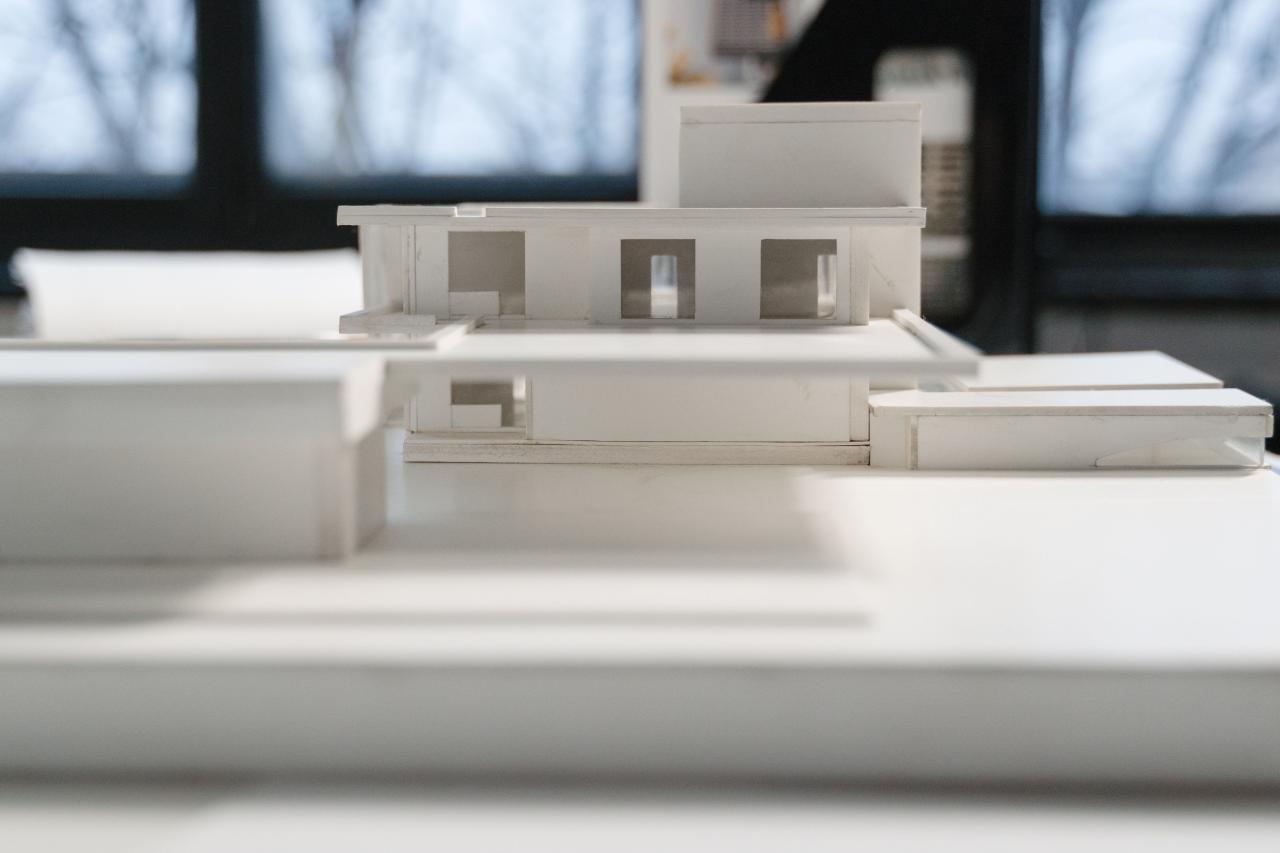
In conclusion, adopting enterprise virtual reality architectural visualization platforms maximizes project design accuracy and drives substantial commercial asset returns. Deploying live bidirectional data synchronization eliminates file translation errors while enabling instant spatial design adjustments.
Integrating multi-user cloud networking allows global project teams to conduct live collaborative walkthroughs inside scale-accurate digital twins. Leveraging hardware-accelerated real-time ray tracing engines provides dynamic photorealistic lighting and accurate solar shading analysis. Utilizing high-definition material libraries empowers clients to evaluate custom interior finishes interactively during live presentation sessions.
Optimizing software rendering performance guarantees high frame rates across multi-vendor virtual reality headsets to maintain user comfort. Conducting virtual ergonomic evaluations verifies spatial clearances and ensures complete compliance with international accessibility guidelines pre-construction. Importing photogrammetry context data places proposed architectural massing accurately within real-world surrounding urban environments.
Simulating spatialized audio behavior allows acoustics engineers to optimize interior noise isolation and soundscape quality before physical builds. Deploying digital variant management modules enables instant side-by-side comparison of competing structural concepts and associated material budgets. Implementing enterprise security encryption protects proprietary building model data and intellectual property during collaborative cloud streaming sessions.
Embedding interactive metadata tags allows users to inspect detailed engineering specs and material costs directly within the virtual viewport. Utilizing procedural vegetation rendering tools creates dynamic natural landscapes that showcase sustainable site integration across all seasons. Integrating 4D construction schedule data visualizes assembly timelines to identify spatial site logistics issues and enhance safety protocols.
Deploying spatial AI analytics tracks occupant navigation paths to optimize retail store layouts and corporate workspace circulation. Utilizing automated virtual camera tools exports professional marketing videos and promotional stills directly from the real-time graphics platform. Deploying cloud-based pixel streaming allows non-technical stakeholders to access interactive architectural walkthroughs via standard web browsers.
Analyzing solar vector metrics inside the virtual model identifies visual glare issues to optimize automated facade shading systems. Integrating haptic feedback accessories provides subtle tactile sensations that deepen material immersion for high-end luxury project presentations. Structuring commercial real estate developments around enterprise spatial visualization software minimizes costly construction reworks, speeds pre-leasing, and maximizes portfolio asset value.